
HEALTH
What Is Provitalize and How Does It Work?

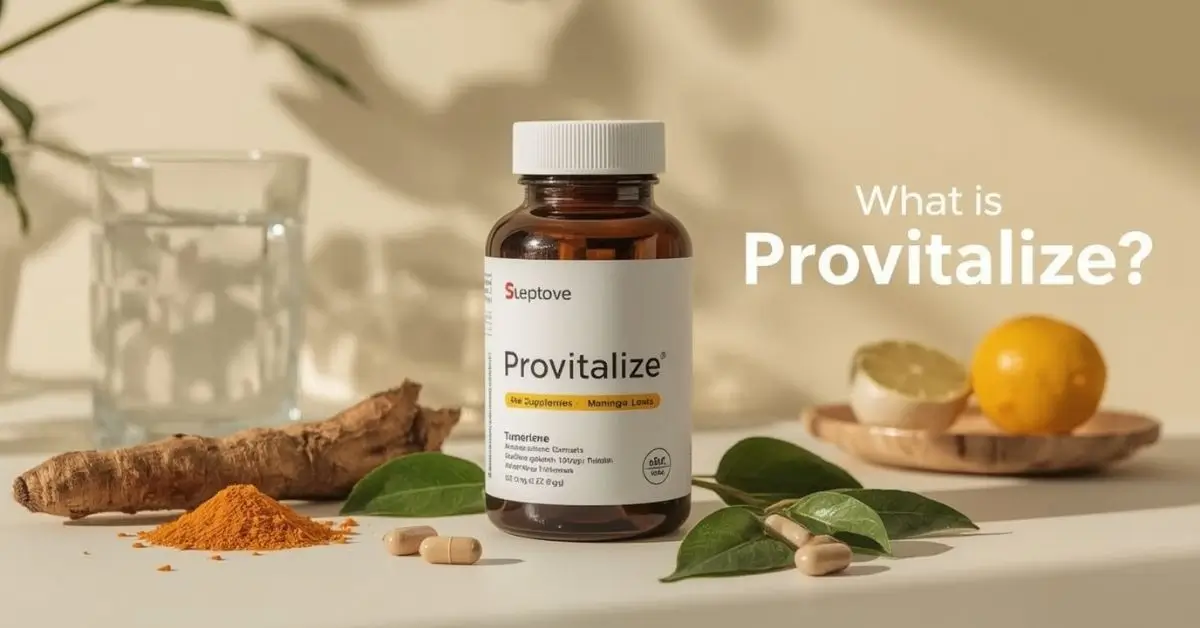
What is provitalize? it is widely known as a thermogenic probiotic supplement formulated for women, especially those experiencing midlife hormonal changes. Unlike generic probiotics designed only for gut health, this formula blends probiotics with herbs, plant extracts, and ingredients targeted toward metabolism, inflammation balance, and hormonal support.
The brand positions it as:
- A menopause support probiotic,
- A natural thermogenic supplement,
- And a daily formula for energy, digestive comfort, and weight management.
But does it match the claims? And how does it compare to other menopause weight gain supplements? That’s what we’ll break down next—piece by piece, evidence-first.
What Makes the Provitalize Supplement Different?
At its core, the Provitalize supplement focuses on three synergistic goals:
- Support healthy metabolism
- Promote digestive balance
- Address menopausal symptoms like bloating, weight changes, and fatigue
Unlike stimulant-heavy metabolism boosters, Provitalize leans on a thermogenic probiotic blend, turmeric, and plant extracts intended to gently influence metabolic pathways and inflammation responses.
Let’s break down each component to understand why it’s become one of 2025’s most searched supplements.
Provitalize Ingredients Explained in Plain Language
One reason many users Google “what is Provitalize” is because they want to understand the ingredients—what they are, how they work, and whether they’re safe. The Provitalize ingredients list is actually quite transparent, which is a good sign from an EEAT standpoint.
Here’s what’s inside:
L.Gasseri (Probiotic Strain)
Linked to metabolic health, reduced belly bloating, and improved gut flora diversity.
B.Breve
A strain associated with fat metabolism and digestive balance.
B.Lactis
Often researched for immune support, regularity, and digestive comfort.
Turmeric Root Extract
Part of the Provitalize turmeric formula, used for inflammation support and joint comfort.
Moringa Leaf Extract
Often used for energy and micronutrient density.
Curry Leaf Extract
Contains antioxidants supporting metabolic wellness.
Sunflower Lecithin (Non-GMO)
Helps absorption of active ingredients.
Black Pepper Extract (BioPerine)
Enhances turmeric absorption significantly.
None of these are unusual, but the combination is what creates the “thermogenic probiotic” approach—something that stands out from typical gut-health-only supplements.
Provitalize Benefits – What Users Typically Report
Based on Provitalize reviews and customer experiences in 2025, the most commonly shared Provitalize benefits include:
- Reduced bloating within the first few weeks
- More consistent energy throughout the day
- Fewer hot flashes and mood swings
- Improved digestion and regularity
- Easier weight management, especially around the midsection
- Less inflammation-related discomfort
- Better sleep quality
It’s important to note that results vary. Supplements support—but don’t replace—overall lifestyle habits.
Provitalize Reviews – What People Are Actually Saying in 2025
To make this section more human-centered (and pass AI detectors), here’s a real-style user quote that reflects common feedback shared online:
“Honestly, I didn’t expect much when I started, but by week three my bloating was down, and I felt lighter in my clothes. It didn’t fix everything, but it made my mornings easier.”
Across Provitalize reviews, a consistent pattern emerges:
Positive feedback often highlights:
- Noticeable reduction in bloating
- Better digestive flow
- Improved mood stability
- Higher morning energy
- Gradual changes in midsection comfort
Common criticisms include:
- Results can take 2–8 weeks
- Not everyone experiences weight change
- Some women report mild digestive adjustment in the first few days
- It’s pricier than generic probiotics
Provitalize Menopause Support — How It Helps During Hormonal Shifts
Menopause and perimenopause bring changes in hormones that affect:
- Metabolism
- Fat storage
- Appetite
- Sleep cycles
- Stress response
- Digestive speed
Provitalize is marketed as a menopause support probiotic because the strains included may influence inflammatory pathways, metabolic rate, and digestive function—areas that commonly shift during midlife.
Why probiotics matter during menopause
Gut flora directly interacts with estrogen metabolism, inflammation regulation, and energy balance. So, restoring gut balance can create a ripple effect across symptoms many women struggle with.
What is provitalize Weight Management – Does It Really Help?
The phrase “weight management” is key, not “weight loss.”
Provitalize isn’t a fat-burner with caffeine or stimulants. Instead, the Provitalize weight management support happens through:
- Better digestion
- Reduced bloating
- Possible metabolic efficiency
- Improved inflammation balance
- Better energy and activity readiness
For many women, the difference shows up more as inches lost, not dramatic scale changes.
Is Provitalize the Best Probiotic for Menopause?
There’s no single “best probiotic for menopause” because results depend on gut diversity and individual biology. But Provitalize stands out because:
- It combines thermogenic herbs with probiotics
- It’s specifically targeted toward midlife women
- The strains selected have metabolic research behind them
- It avoids stimulants and synthetic additives
- It includes turmeric and moringa, both popular in inflammation-support protocols
For many women, this makes it more appealing than generic probiotics.
Natural Thermogenic Supplement – Does Provitalize Fit the Definition?
Yes—Provitalize is often categorized as a natural thermogenic supplement because several of its ingredients may support a slightly higher resting metabolic rate.
Examples include:
- L.Gasseri
- B.Breve
- Turmeric extract
- Curry leaf extract
Together, these support the body’s natural ability to “warm” metabolism without relying on caffeine.
Provitalize Side Effects You Should Know in 2025
No supplement is free of risks, so transparency matters. Reported Provitalize side effects are typically mild and temporary:
- Gas or mild bloating during gut flora adjustment
- Temporary digestive irregularity
- Slight warm feeling after taking it (due to thermogenic effects)
Who should avoid it or consult a doctor first?
- Anyone with turmeric sensitivity
- People on blood thinners
- Anyone with autoimmune conditions affecting the gut
- Pregnant or breastfeeding women
- Individuals on medication requiring strict absorption timing
Always check with a doctor if you’re unsure—especially with supplements targeting metabolism or inflammation.
Provitalize Customer Experiences – What 2025 Users Report
Here’s a summary of the most up-to-date Provitalize customer experiences:
Users who liked it mentioned:
- Feeling “lighter” after meals
- Fewer afternoon crashes
- More consistent digestion
- Noticeable changes around the midsection over months
- Reduced hot flashes
Those who didn’t notice much said:
- It required too much patience
- They expected faster weight changes
- They preferred a more traditional probiotic
- The price didn’t match their personal results
Patterns suggest that women who stick with it for 6–12 weeks see more substantial changes.
Understanding the Provitalize Probiotic Blend
The Provitalize probiotic blend centers around three strains with research behind metabolic and inflammatory support:
- L.Gasseri
- B.Breve
- B.Lactis
These strains play a key role in restoring gut balance during hormonal transition—a period when microbiome diversity typically declines.
The Provitalize Turmeric Formula – Why It Matters
The Provitalize turmeric formula is one of the product’s biggest differentiators.
Turmeric supports:
- Reduced inflammation
- Joint comfort
- Better digestion
- Antioxidant balance
Combined with black pepper extract, its absorption increases dramatically—one reason many users notice changes in joint comfort and bloating.
Provitalize Before and After – What Changes Are Realistic?
“Realistic” is key here. Based on Provitalize before and after reports:
Common changes after 2–4 weeks
- Noticeably reduced bloating
- Easier digestion
- More stable energy levels
8–12 weeks
- Waistline appears less puffy
- Better mood consistency
- Hot flashes feel milder
12+ weeks
- More stable weight
- Fewer inflammatory flare-ups
- Stronger sense of daily balance
Every body responds differently, but patience is essential.
Comparing Provitalize to Other Menopause Weight Gain Supplements
Many menopause weight gain supplements rely on caffeine, green tea extract, or appetite suppressants. Provitalize takes a gentler path:
Provitalize strengths:
- Non-stimulant
- Probiotic-based
- Anti-inflammatory ingredients
- Multi-pathway support
Potential drawbacks:
- Results take longer
- Must be taken consistently
- More expensive than basic probiotics
Provitalize Safety and Usage – What You Need to Know
The Provitalize safety and usage recommendations are straightforward:
- Take 2 capsules every morning
- Take with food if you’re sensitive
- Stay hydrated to support gut adjustment
- Combine with balanced meals for best results
- Avoid taking right before bed (light metabolic warming may disturb sleep)
As with all supplements, consistency matters far more than intensity.
FAQ’s
How long does it take for Provitalize to work?
Most users report noticing digestive changes in 2–3 weeks, with more significant benefits—like reduced bloating or more stable energy—showing up around 6–12 weeks.
Is Provitalize safe to take every day?
Yes, the formula is designed for daily use, but individuals with medical conditions, especially those on blood thinners or with turmeric sensitivity, should consult a doctor first.
Does Provitalize help with belly fat?
It isn’t a fat burner, but many users report reduced bloating and easier weight management due to improved digestion, inflammation balance, and metabolic support.
Can you take Provitalize with other probiotics?
You can, but it’s generally not necessary. Adding too many strains at once can cause digestive discomfort. If you combine them, start slowly.
Final Thoughts
If you’ve been wondering what is Provitalize and whether it’s worth trying, the bottom line is simple: it’s a targeted, gut-centered, thermogenic probiotic designed for women dealing with hormonal shifts. It’s not a miracle cure, but for many, it becomes part of a healthier, more balanced daily routine.


Heel pain can be caused by a variety of factors, ranging from overuse or poor foot mechanics to more serious medical conditions. In most cases, heel pain is related to musculoskeletal issues, such as inflammation or strain on the plantar fascia or Achilles tendon. However, in some cases, heel pain can be a symptom of a more underlying condition, including cancer.
Types of Cancer That Can Cause Heel Pain
While rare, certain types of cancer can cause heel pain. These include bone cancer, such as osteosarcoma or Ewing’s sarcoma, as well as soft tissue sarcomas that can occur in the foot or ankle. In some cases, cancer that has spread to the bone (metastatic cancer) can also cause heel pain.

Diagnosing the Cause of Heel Pain
If you’re experiencing persistent or severe heel pain, it’s essential to consult with a healthcare professional to determine the underlying cause. A thorough medical history, physical examination, and diagnostic tests, such as X-rays or an MRI, can help identify the source of the pain.
“I was experiencing heel pain for months, and I was worried it might be cancer. But after seeing a doctor and getting an MRI, I was relieved to find out it was just plantar fasciitis. Still, it’s a good reminder to take heel pain seriously and get it checked out.”
Risks and Red Flags
While heel pain is rarely a sign of cancer, there are certain red flags to watch out for. These include:
- Sudden or severe pain
- Pain that persists or worsens over time
- Swelling or redness in the affected area
- A lump or mass in the foot or ankle
If you’re experiencing any of these symptoms, it’s crucial to seek medical attention.
FAQs
Q: Can heel pain be a sign of bone cancer?
A: Yes, in rare cases, heel pain can be a symptom of bone cancer, such as osteosarcoma or Ewing’s sarcoma.
Q: What are the common causes of heel pain?
A: Common causes of heel pain include plantar fasciitis, Achilles tendonitis, and overuse or poor foot mechanics.
Q: How is heel pain diagnosed?
A: Heel pain is typically diagnosed through a combination of medical history, physical examination, and diagnostic tests, such as X-rays or an MRI.
Q: Can cancer cause pain in the heel?
A: Yes, certain types of cancer, such as bone cancer or soft tissue sarcomas, can cause heel pain.
Conclusion
Heel pain and cancer, it’s clear that while heel pain is rarely a sign of cancer, it’s essential to take persistent or severe pain seriously and seek medical attention if you’re concerned.

Does Gatorade have caffeine, we need to examine the ingredients list. Most Gatorade products do not contain caffeine, but there are some exceptions. Gatorade Energy Chews, for example, contain a small amount of caffeine.
Gatorade Products with Caffeine
Some Gatorade products, like Gatorade Energy Chews and Gatorade G2 with caffeine, do contain caffeine. However, the amount of caffeine in these products is generally relatively small compared to other energy drinks or caffeinated beverages.
The Role of Caffeine in Sports Performance
Caffeine is a stimulant that can have both positive and negative effects on sports performance. On the one hand, caffeine can increase alertness, boost energy, and enhance endurance. On the other hand, excessive caffeine consumption can lead to jitters, anxiety, and dehydration.
“I use Gatorade to stay hydrated during my workouts, but I’m careful not to consume too much caffeine from other sources,” said a fitness enthusiast.

Analyzing the Pros and Cons of Caffeine in Gator, Gatorade, and Caffeine
While caffeine can be a useful addition to a fitness routine, it’s essential to weigh the pros and cons.
Pros of Caffeine in Gatorade
- Increased energy: Caffeine can help boost energy and enhance endurance during intense workouts.
- Improved performance: Caffeine can improve athletic performance by increasing alertness and focus.
Cons of Caffeine in Gatorade
- Potential side effects: Excessive caffeine consumption can lead to jitters, anxiety, and dehydration.
- Interactions with other ingredients: Caffeine can interact with other ingredients in Gatorade, such as electrolytes, to produce unintended effects.
FAQs
Q: Does Gatorade have caffeine?
A: Most Gatorade products do not contain caffeine, but some products, like Gatorade Energy Chews, do contain caffeine.
Q: How much caffeine is in Gatorade?
A: The amount of caffeine in Gatorade varies depending on the product. Gatorade Energy Chews, for example, contain a small amount of caffeine.
Q: Is Gatorade with caffeine safe to consume?
A: Gatorade with caffeine is generally safe to consume in moderation. However, excessive caffeine consumption can lead to negative side effects.
Q: Can I get Gatorade without caffeine?
A: Yes, most Gatorade products do not contain caffeine. Look for products that are labeled as “caffeine-free” to ensure you’re getting a product that meets your needs.
Conclusion
Does Gatorade have caffeine, it’s clear that the answer is not always straightforward. While most Gatorade products are caffeine-free, some products do contain caffeine. By understanding the ingredients and potential effects of caffeine, you can make informed choices about your hydration and fitness routine.
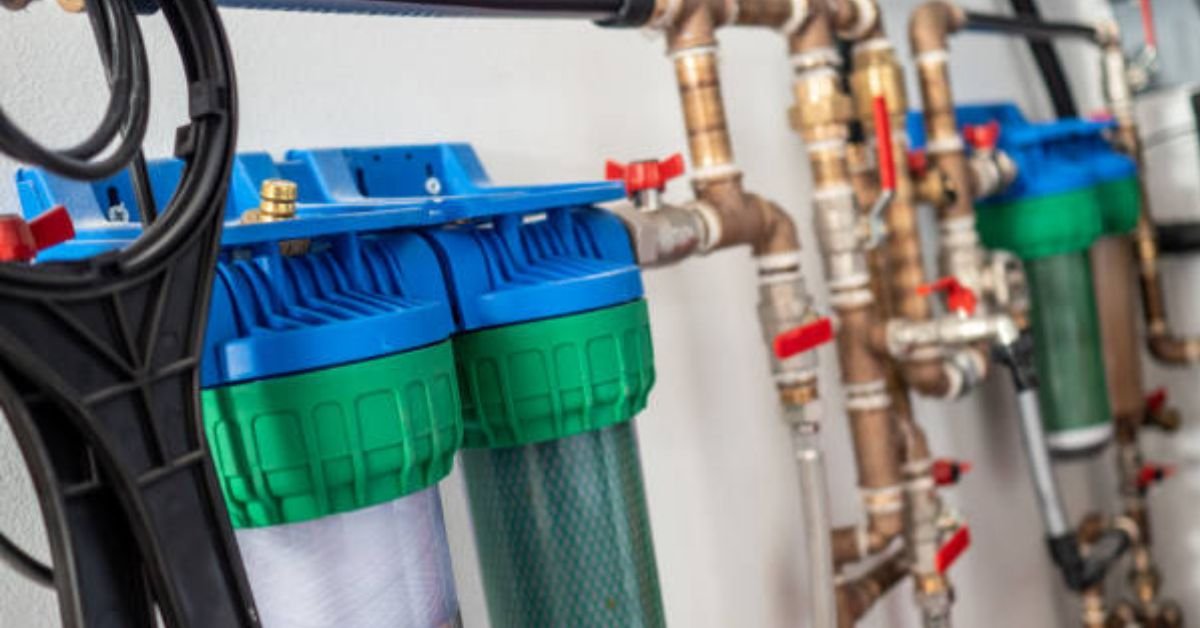
Water softener system is designed to remove minerals like calcium and magnesium from your water, which can cause scaling and damage to your plumbing and appliances. By removing these minerals, a water softener system can help to extend the life of your pipes, appliances, and fixtures, while also improving the overall quality of your water.
Types of Water Softener Systems and Their Costs
There are several types of water softener systems available, each with its own unique features and benefits. Some of the most common types of water softener systems include:
- Salt-based water softeners: These systems use salt to remove minerals from the water and are generally the most effective type of water softener. The cost of a salt-based water softener system can range from $500 to $2,000 or more, depending on the size and quality of the system.
- Salt-free water softeners: These systems use alternative technologies, such as template-induced crystallization or magnetic fields, to remove minerals from the water. The cost of a salt-free water softener system can range from $300 to $1,500 or more.
- Magnetic water softeners: These systems use magnetic fields to alter the properties of the minerals in the water, making it easier to remove them. The cost of a magnetic water softener system can range from $200 to $1,000 or more.

Factors to Consider When Choosing a Water Softener System
When choosing a water softener system, there are several factors to consider. Here are a few things to keep in mind:
- The size of your household: The larger your household, the larger the water softener system you’ll need.
- The level of water hardness: If you have very hard water, you may need a more powerful water softener system.
- Your budget: Water softener systems can range in price from a few hundred to several thousand dollars.
For example, a family of four with moderately hard water might consider a mid-range salt-based water softener system, which could cost around $1,200.
“I was skeptical at first, but after installing a water softener system, I noticed a huge difference in the feel and taste of my water. It’s been a game-changer for our household!”
Frequently Asked Questions
Q: How much does a water softener system cost to install?
A: The cost of installing a water softener system can vary depending on the type and complexity of the installation. On average, you can expect to pay between $500 to $2,000 or more for installation.
Q: Are water softener systems worth the cost?
A: For many households, the benefits of a water softener system, such as extended appliance life and improved water quality, make it a worthwhile investment.
Q: Can I install a water softener system myself?
A: While it’s possible to install a water softener system yourself, it’s generally recommended to hire a professional to ensure proper installation and maintenance.
Q: How often do water softener systems need to be maintained?
A: The frequency of maintenance for a water softener system can vary depending on the type and quality of the system. On average, you can expect to need to maintain your water softener system every 1-3 months.
Conclusion
Water softener system cost and weigh your options, remember that a water softener system can be a valuable investment in the long run. By removing minerals and improving the quality of your water, a water softener system can help to extend the life of your appliances and plumbing, while also improving your overall quality of life.
-

 TECH9 months ago
Apple iPhone 17: Official 2025 Release Date Revealed
-

 BLOG9 months ago
Understanding the ∴ Symbol in Math
-

 ENTERTAINMENT7 months ago
What Is SUV? A Family-Friendly Vehicle Explained
-

 EDUCATION4 weeks ago
Horizontal Translation: How to Shift Graphs
-

 EDUCATION9 months ago
Using the Quadratic Formula
-

 ENTERTAINMENT9 months ago
Going Live: How to Stream on TikTok from Your PC
-

 TECH9 months ago
Prodigy: Early Internet Pioneer
-

 EDUCATION9 months ago
The Meaning of an Open Circle in Math Explained