
FASHION
What Is a Tuxedo? A Complete Guide for Men’s Formalwear

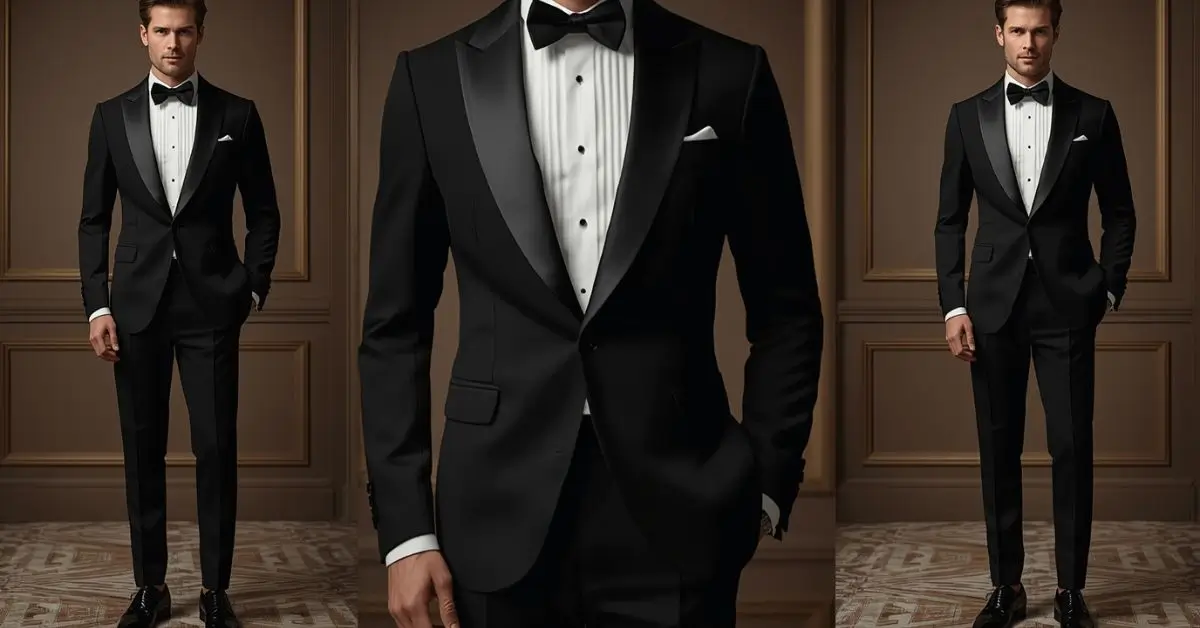
Whether you’re a groom preparing for your wedding, a college student attending prom, or a professional heading to a black-tie gala, you’ve likely wondered: what is a tuxedo, and when should I wear one?
This question matters because the line between a formal suit and a tuxedo is often blurred. Choosing the wrong attire can leave you underdressed—or overdressed—for an event. Wedding planners, luxury fashion enthusiasts, and even history buffs also want to understand why the tuxedo has remained a symbol of elegance and prestige for more than 150 years.
In this guide, we’ll explore the history, styling, and modern relevance of tuxedos. You’ll learn how they differ from suits, what goes into a complete tuxedo set, and which styles work best in 2025.
What Is a Tuxedo?
A tuxedo is a type of men’s evening wear designed for formal and black-tie events. Unlike a regular formal suit, a tuxedo is distinguished by satin or grosgrain facings on the tuxedo jacket’s lapels, buttons, and trousers.
In short:
- Suit = versatile, for work or semi-formal occasions
- Tuxedo = formal, reserved for special events after 6 p.m.
Key Components of a Classic Tuxedo Look
- Tuxedo jacket (satin or silk lapels, single-breasted or double-breasted)
- Trousers with satin stripe along the leg
- Tuxedo shirt (often pleated or with studs)
- Bow tie with tuxedo (classic black silk or velvet)
- Formal shoes (traditionally patent leather)
Tuxedo vs. Suit: Which Should You Wear?
One of the most common style dilemmas is: what is a tuxedo and how is it different from a suit?
| Feature | Tuxedo | Suit |
|---|---|---|
| Occasion | Black tie, weddings, galas, evening wear | Business, daytime, semi-formal |
| Lapels | Satin or grosgrain facings | Fabric matches suit material |
| Shirt | Tuxedo shirt with studs or pleats | Standard dress shirt |
| Accessories | Bow tie with tuxedo, cummerbund, studs | Necktie or bow tie optional |
| Shoes | Patent leather | Leather Oxfords or loafers |
Rule of thumb: If the invitation says black tie, you need a tuxedo.
The History of the Tuxedo in Fashion
The tuxedo originated in the late 19th century, first worn in Tuxedo Park, New York—a wealthy enclave where the jacket became fashionable. According to the Smithsonian National Museum of American History, the tuxedo symbolized a shift from rigid Victorian dress codes to a more modern, relaxed elegance.
Over the decades, Hollywood stars like Humphrey Bogart, James Bond, and Frank Sinatra reinforced the tuxedo’s reputation as the ultimate in men’s sophistication.
Today, while tuxedos remain steeped in tradition, designers have introduced bold variations in velvet, midnight blue, and slim-fit silhouettes.
What Events Require a Tuxedo?
You don’t need a tuxedo for every formal occasion. But certain events call for one:
- Weddings (especially evening ceremonies)
- Black tie galas
- Charity balls
- Award ceremonies
- Proms and formal dances
- Opera or high-end theater premieres
If the dress code says black tie attire, a tuxedo is expected. If it says white tie, that’s an even more formal category involving tailcoats and gloves.
What Is Included in a Tuxedo Set?
A complete tuxedo set usually consists of:
- Tuxedo jacket with satin lapels
- Matching trousers with satin stripe
- Tuxedo shirt (white, often pleated or with wing collar)
- Bow tie with tuxedo (black is standard)
- Cummerbund or vest
- Cufflinks and studs
- Patent leather shoes
Luxury brands like Tom Ford, Ralph Lauren, and Brioni continue to refine the tuxedo, offering updated versions while honoring tradition.
Best Tuxedo Styles for Men in 2025
Fashion-forward men’s tuxedos in 2025 balance tradition and modern flair. According to GQ’s 2025 formalwear trend report:
- Velvet dinner jacket (deep burgundy, emerald, or midnight blue)
- Slim-fit black tuxedo (minimalist, contemporary cut)
- Double-breasted tuxedo jacket (retro revival)
- Textured fabrics (subtle jacquards and silks)
- Classic tuxedo look with peak lapels (timeless choice)
How Should a Tuxedo Fit Properly?
A tuxedo should never feel like an off-the-rack business suit. The fit is everything:
- Jacket shoulders: lie flat, no pulling
- Sleeve length: shirt cuff shows about ¼ inch
- Trousers: slim but comfortable, satin stripe aligned
- Bow tie with tuxedo: sits snug, not drooping
Tailoring ensures elegance. Many men’s fashion retailers offer tuxedo alterations as part of the purchase.
What Shirt Goes with a Tuxedo?
The best choice is a tuxedo shirt:
- White cotton or blend
- Pleated or bib front
- Wingtip or spread collar
- Designed to be worn with studs
Avoid patterned or colored shirts, which make the tuxedo less formal.
What Shoes Go with a Tuxedo?
Traditionally:
- Black patent leather Oxfords
- Opera pumps with a silk bow
Modern alternatives:
- Polished black leather loafers
- Velvet slippers (for fashion-forward looks)
Expert References
- Smithsonian National Museum of American History – The Tuxedo’s American Origins
- GQ Magazine 2025 Formalwear Trends Report
- Esquire Style Guide on Black Tie Attire
These trusted sources reinforce both the history and modern relevance of tuxedos, showing their enduring role in men’s fashion.
FAQs
What is a tuxedo and how is it different from a suit?
A tuxedo includes satin details, a bow tie, and is reserved for evening wear, while a suit is more versatile for business or daytime events.
Tuxedo vs suit: which should I wear?
Wear a tuxedo for black-tie events or weddings; wear a suit for business, daytime, or semi-formal occasions.
What events require a tuxedo?
Weddings, proms, galas, award ceremonies, and any event with a black-tie dress code.
What is included in a tuxedo set?
Jacket, trousers, tuxedo shirt, bow tie, cummerbund or vest, cufflinks, and formal shoes.
Can you wear a tuxedo to a wedding?
Yes—especially for evening weddings. Many grooms choose a wedding tuxedo for a timeless look.
What is the history of the tuxedo in fashion?
It originated in 19th-century New York and became a global symbol of elegance, later popularized by Hollywood.
Conclusion
A tuxedo remains the timeless symbol of elegance in men’s formalwear. Whether for weddings, galas, or black-tie events, knowing what is a tuxedo and how it differs from a suit ensures you make the right style choice with confidence and sophistication.

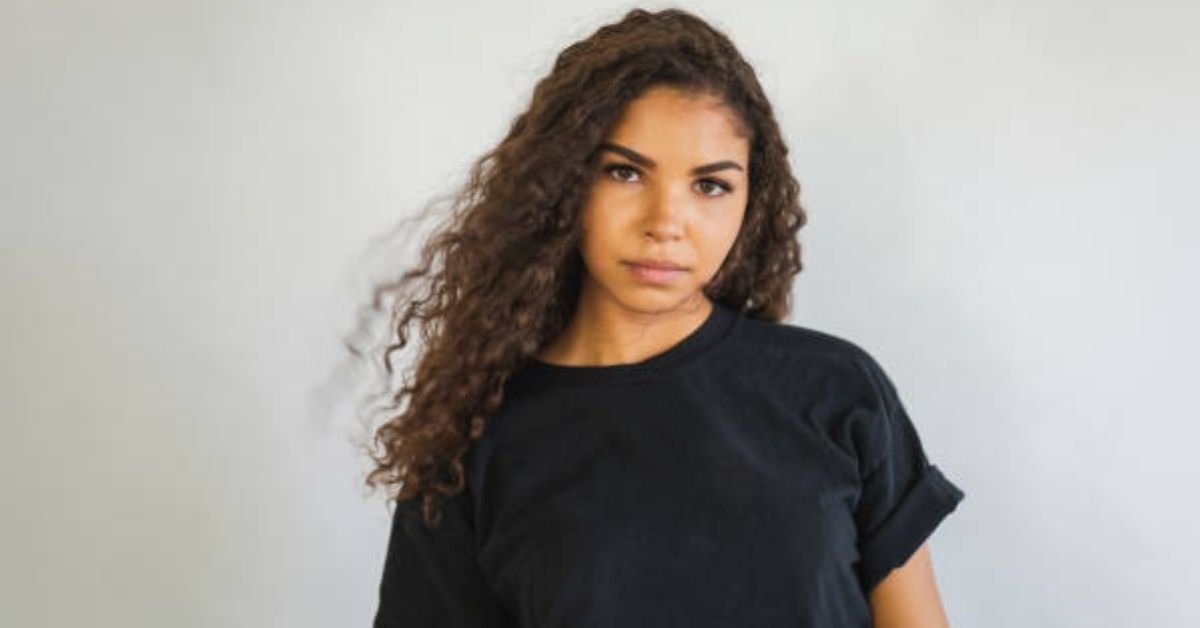
Shirts with black is their versatility. Whether you’re looking for a casual, everyday shirt or a more formal option for a special occasion, a black shirt can be a great choice. You can pair it with jeans and sneakers for a relaxed look or with dress pants and a blazer for a more formal appearance.
Styling Shirts with Black
How can you style a shirt with black? The possibilities are endless. You can wear it on its own or layer it under a jacket or sweater. You can also pair it with a variety of colors, from bold brights to neutral tones. For example, pairing a black shirt with white pants and shoes creates a chic, monochromatic look.
For instance, someone might say, “I love wearing my black shirt with distressed denim jeans and boots – it’s my go-to outfit for a night out with friends.” It’s a simple yet stylish combination that’s hard to beat.
The Benefits of Shirts with Black
So, what are the benefits of shirts with black? For one, they’re incredibly versatile, as mentioned earlier. They’re also timeless – black shirts never go out of style. Plus, they’re easy to care for, as they can be machine washed and dried.

Choosing the Right Shirt with Black
When it comes to choosing a shirt with black, there are a few things to consider. You want to think about the fabric, the fit, and the style. Do you prefer a slim-fit or a more relaxed fit? Are you looking for a short-sleeved or long-sleeved shirt? These are all important factors to consider when making your decision.
FAQs
Q: What colors go well with a black shirt?
A: A black shirt can be paired with a variety of colors, from bold brights to neutral tones. Some popular options include white, gray, and beige.
Q: Can I wear a black shirt to a formal event?
A: Yes, a black shirt can be a great choice for a formal event, especially when paired with dress pants and a blazer.
Q: How do I care for a black shirt?
A: Black shirts are generally easy to care for, as they can be machine washed and dried. However, be sure to check the care label for specific instructions.
Q: Are black shirts suitable for everyday wear?
A: Yes, black shirts are a great choice for everyday wear, as they’re versatile and can be dressed up or down.
Conclusion
Shirts with black, you’ll discover a wide range of options to suit your style and needs. Whether you’re looking for a casual, everyday shirt or a more formal option, a black shirt can be a great choice.

Eyebrow growth cycle is a complex process that involves multiple phases. The anagen phase, also known as the growth phase, is the active growth period where the hair grows. This phase can last anywhere from 1-6 months, depending on individual factors. The catagen phase is a short transitional phase that lasts about 2-3 weeks, followed by the telogen phase, also known as the resting phase, which can last up to 3-4 months.
Factors Affecting Eyebrow Growth
Several factors can affect eyebrow growth, including genetics, nutrition, and overall health. A diet rich in vitamins and minerals, particularly biotin, vitamin E, and omega-3 fatty acids, can promote healthy hair growth. On the other hand, nutritional deficiencies, hormonal imbalances, and certain medical conditions can slow down or even halt eyebrow growth.
One person shared their experience with eyebrow growth, saying, “I over-tweezed my eyebrows and was left with sparse patches. It took me about 6 months to see significant regrowth, and I made sure to take care of my overall health and nutrition during that time.”

Tips for Promoting Eyebrow Growth
While there’s no magic solution to make eyebrows grow back overnight, there are some tips that can help promote healthy growth. These include:
- Eating a balanced diet rich in essential nutrients
- Avoiding excessive tweezing or waxing
- Using gentle eyebrow care products
- Massaging the eyebrow area to increase blood flow
Frequently Asked Questions
Q: How long does it take for eyebrows to grow back after over-tweezing?
A: It can take anywhere from 3-6 months for eyebrows to grow back after over-tweezing, depending on individual factors.
Q: Can I speed up eyebrow growth?
A: While there’s no guaranteed way to speed up eyebrow growth, maintaining a healthy diet, avoiding excessive grooming, and using gentle care products can help promote healthy growth.
Q: What are some natural remedies for promoting eyebrow growth?
A: Some natural remedies that may promote eyebrow growth include castor oil, coconut oil, and biotin supplements.
Q: Can eyebrow growth be affected by medical conditions?
A: Yes, certain medical conditions, such as hypothyroidism or alopecia, can affect eyebrow growth. If you’re concerned about your eyebrow growth, it’s best to consult with a healthcare professional.
Conclusion
Eyebrow growth cycle and taking care of your overall health can help promote healthy eyebrow growth. To explore more and find the best tips and tricks for growing back your eyebrows, try incorporating a balanced diet, gentle care, and patience into your routine.

Chestnut brown hair is a versatile and flattering shade that suits many skin tones and personal styles. One of the main benefits of chestnut brown hair is its ability to enhance one’s natural features. It can add warmth and depth to the complexion, making it a great choice for those looking to update their look.
Who Can Pull Off Chestnut Brown Hair?
Chestnut brown hair is a great choice for many people, but it’s especially flattering on those with cool or neutral skin tones. If you have a warm skin tone, you may want to consider a slightly different shade to avoid looking unhealthy or tired.
“I’ve been dyeing my hair chestnut brown for years, and it’s been a game-changer for my confidence. It’s a shade that complements my skin tone and makes me feel like a new person.” – A satisfied hair dye enthusiast
Maintaining Chestnut Brown Hair
To keep your chestnut brown hair looking its best, regular maintenance is key. This includes using the right hair care products, getting regular trims, and protecting your hair from damage.

Hair Care Tips for Chestnut Brown Hair
Here are a few tips to help you maintain your chestnut brown hair:
- Use a sulfate-free shampoo and conditioner to keep your hair healthy and vibrant.
- Avoid using hot water, which can strip your hair of its color and moisture.
- Consider using a color-protecting spray or serum to keep your hair looking its best.
Styling Chestnut Brown Hair
Chestnut brown hair is a versatile canvas that can be styled in many different ways. From sleek and straight to curly and voluminous, the options are endless.
Styling Ideas for Chestnut Brown Hair
Here are a few styling ideas to get you started:
- Try a sleek, low ponytail to showcase your hair’s natural shine.
- Add some texture and volume with a curling iron or a texturizing spray.
- Go for a relaxed, effortless look with a messy bun or a braided crown.
FAQs
Q: Is chestnut brown hair suitable for all skin tones?
A: While chestnut brown hair can be flattering on many skin tones, it’s especially suitable for cool or neutral skin tones.
Q: How do I maintain my chestnut brown hair color?
A: To maintain your chestnut brown hair color, use a sulfate-free shampoo and conditioner, avoid hot water, and consider using a color-protecting spray or serum.
Q: Can I dye my hair chestnut brown at home?
A: While it’s possible to dye your hair chestnut brown at home, it’s generally recommended to consult a professional stylist to achieve the best results.
Q: How often should I touch up my chestnut brown hair color?
A: The frequency of touch-ups depends on your hair growth rate and personal preference. Generally, it’s recommended to touch up your roots every 4-6 weeks.
Conclusion
Chestnut brown hair, it’s clear that this shade offers a unique combination of versatility and flattery. Whether you’re looking to update your look or simply want to try something new, chestnut brown hair is definitely worth considering.
-

 TECH9 months ago
Apple iPhone 17: Official 2025 Release Date Revealed
-

 BLOG9 months ago
Understanding the ∴ Symbol in Math
-

 ENTERTAINMENT7 months ago
What Is SUV? A Family-Friendly Vehicle Explained
-

 EDUCATION4 weeks ago
Horizontal Translation: How to Shift Graphs
-

 EDUCATION9 months ago
Using the Quadratic Formula
-

 ENTERTAINMENT9 months ago
Going Live: How to Stream on TikTok from Your PC
-

 EDUCATION9 months ago
The Meaning of an Open Circle in Math Explained
-

 TECH9 months ago
Prodigy: Early Internet Pioneer