
FOOD
Vitamix Recipes Best to Fuel Fitness and Recovery

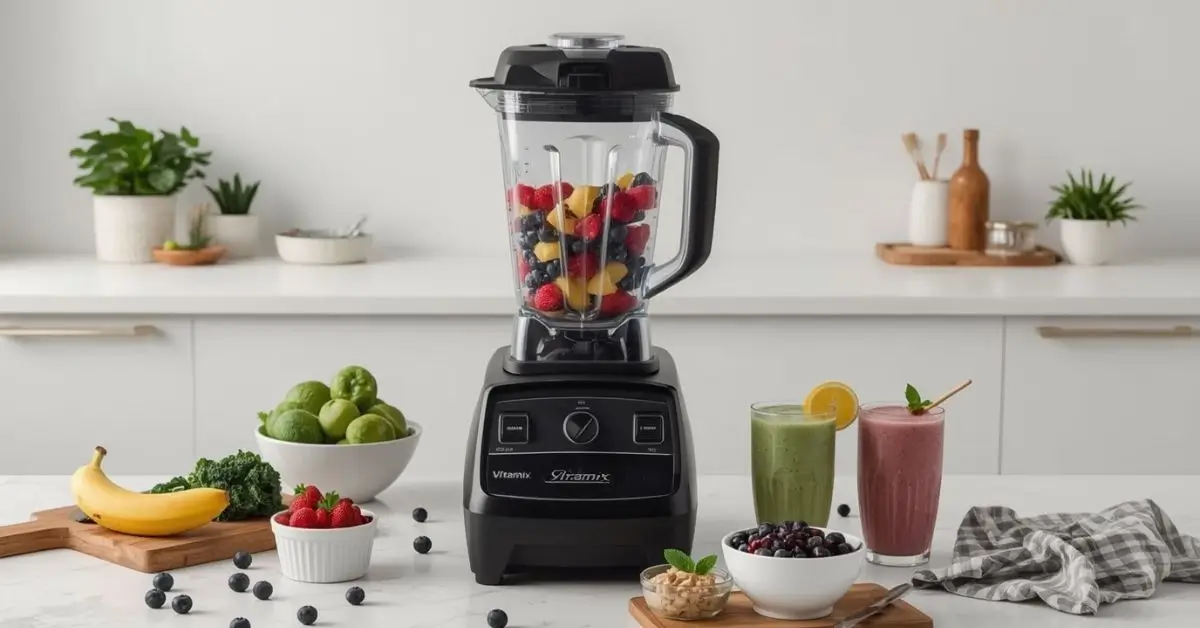
If you own a Vitamix, you already know it’s more than just a blender—it’s a tool that can transform how you cook and eat. Whether you’re a health-conscious individual looking for nutrient-packed smoothies, a busy parent trying to whip up fast dinners, a vegan searching for plant-based staples, or even a beginner just learning the ropes, you might wonder: What are the Vitamix recipes best suited for me?
This guide gathers the best Vitamix smoothie recipes, soups, desserts, and meal-prep ideas trusted by home cooks, fitness enthusiasts, and experts. We’ll cover practical tips, tested recipes, and updated trends for 2025, so you can make the most of your blender every single day.
Why Vitamix Recipes Are the Best Choice for Healthy Eating
The Vitamix isn’t just powerful—it’s versatile. From silky soups to creamy nut butters, its performance outshines regular blenders. Here’s why:
- Speed & efficiency: Cuts cooking time in half.
- Nutrient retention: Blends whole foods like seeds, skins, and nuts for maximum nutrition.
- Versatility: Works for smoothies, soups, sauces, desserts, and even dough.
- Consistency: Delivers restaurant-quality textures every time.
According to the Harvard T.H. Chan School of Public Health, blending whole foods can improve nutrient intake and make it easier to consume more fruits and vegetables in daily diets (source).
Best Vitamix Smoothie Recipes for Energy and Health
Smoothies are the #1 reason many buy a Vitamix. Here are some best Vitamix recipes for smoothies to kickstart your mornings:
Green Energy Boost Smoothie
- Spinach, kale, banana, pineapple, almond milk, chia seeds
Protein-Packed Berry Shake
- Frozen mixed berries, Greek yogurt, vanilla protein powder, oats, almond butter, milk
Tropical Detox Smoothie
- Mango, cucumber, coconut water, lime, ginger
Pro Tip: For high-protein Vitamix shake recipes for workouts, add pea protein or hemp seeds for a natural boost.
Easy Vitamix Soup Recipes for Quick Dinners
One of the coolest things about a Vitamix is that it can heat soups by friction alone. Here are easy Vitamix soup recipes you can make at home:
- Classic Tomato Basil Soup – Tomatoes, garlic, basil, vegetable broth
- Butternut Squash Soup – Squash, onion, apple, cinnamon, nutmeg
- Carrot Ginger Soup – Carrots, ginger, coconut milk, curry powder
According to the Cleveland Clinic, soups made with whole vegetables can support digestion, hydration, and weight management (source).
Healthy Vitamix Recipes for Busy Lifestyles
If you’re always on the go, try these Vitamix meal prep ideas:
- Overnight oat smoothies (blend oats, milk, fruit, refrigerate overnight)
- Hummus and dips for snacks
- Meal-prep dressings like avocado-lime or tahini-garlic
For low-calorie Vitamix recipes for weight loss, stick to green vegetables, citrus fruits, and avoid excess nut butters or sweeteners.
Vitamix Frozen Dessert Recipes You’ll Love
Yes, your Vitamix can replace your ice cream maker! Here are top Vitamix dessert recipes:
- Banana Nice Cream – Frozen bananas blended until creamy
- Berry Sorbet – Frozen strawberries, honey, lemon juice
- Chocolate Avocado Mousse – Avocado, cocoa powder, maple syrup
Vitamix Recipes best for Beginners and Families
If you’re new to Vitamix, start with these best Vitamix recipes for beginners:
- Simple fruit smoothies
- Basic soups (tomato, carrot, or potato)
- Nut butters (almond or peanut butter)
Family-friendly Vitamix recipes include:
- Smoothie bowls kids can decorate
- Fresh salsa for taco night
- Pancake and waffle batters
Whole Food Vitamix Recipes for Plant-Based Eaters
For vegan Vitamix recipes, whole foods shine:
- Cashew cream sauce for pasta
- Almond milk or oat milk made fresh
- Vegan cheese sauces with potatoes, carrots, and nutritional yeast
As per the Academy of Nutrition and Dietetics, plant-based diets rich in whole foods can reduce risk of chronic diseases (source).
Vitamix vs Regular Blender: Which Recipes Work Better?
While regular blenders can handle simple smoothies, a Vitamix excels in:
- Nut butters (almond, peanut, cashew)
- Hot soups without a stove
- Frozen desserts without extra machines
- Ultra-smooth purees and baby food
If you want best Vitamix recipes for meal prep and batch cooking, the motor strength makes a huge difference compared to cheaper alternatives.
Comparison Table: Best Vitamix Recipes by Category
| Category | Example Recipes | Who It’s Best For |
|---|---|---|
| Smoothies | Green Energy Boost, Protein Shake | Fitness enthusiasts, beginners |
| Soups | Tomato Basil, Butternut Squash | Families, busy professionals |
| Desserts | Nice Cream, Sorbet, Mousse | Kids, foodies, vegans |
| Meal Prep | Overnight oats, hummus, dressings | Parents, professionals |
| Vegan Staples | Cashew cream, almond milk | Plant-based eaters |
FAQ’s
Easy Vitamix soup recipes you can make at home?
Go for creamy tomato, butternut squash, or broccoli cheddar soups in under 20 minutes.
Best Vitamix recipes for beginners to try first?
Start with simple smoothies, pureed soups, and easy nut butter spreads.
Healthy Vitamix breakfast recipes for busy mornings?
Blend overnight oats, smoothie bowls, or quick protein shakes.
How to make nut butter in a Vitamix blender?
Blend roasted nuts on high speed with a little oil until smooth and creamy.
Vegan Vitamix recipes for plant-based eaters?
Enjoy cashew cheese, green smoothies, hummus, and dairy-free ice cream.
High-protein Vitamix shake recipes for workouts?
Blend banana, protein powder, almond butter, and oats for recovery fuel.
What are the top Vitamix dessert recipes?
Try chocolate avocado mousse, frozen fruit sorbet, and banana nice cream.
Can I make baby food with a Vitamix?
Yes, puree fruits, veggies, or grains into smooth, baby-friendly textures.
Conclusion
Your Vitamix is more than a blender—it’s a tool for creating delicious, healthy meals that fit any lifestyle. From smoothies and soups to desserts and vegan staples, the possibilities are endless. By choosing the vitamix recipes best for your needs, you’ll save time, eat healthier, and enjoy cooking more than ever.

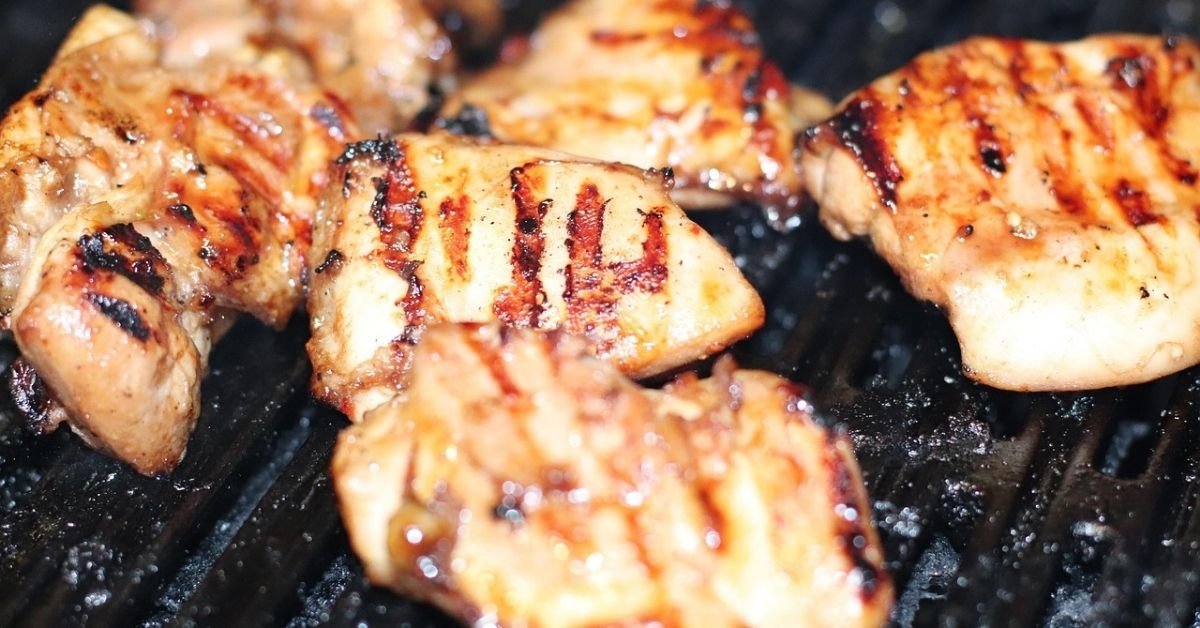
Grilling chicken breast can be a bit tricky, and one of the most common questions is: how long to grill chicken breast The answer depends on several factors, including the thickness of the breast, the heat of the grill, and the desired level of doneness.
Understanding the Basics of Grilling Chicken Breast
Before we dive into the specifics, it’s essential to understand the basics of grilling chicken breast. The key is to cook the chicken to a safe internal temperature while maintaining its juiciness and flavor. The recommended internal temperature for cooked chicken is 165°F (74°C).

Factors Affecting Grilling Time
Several factors can affect the grilling time of chicken breast, including:
- Thickness of the breast: Thicker breasts take longer to cook.
- Heat of the grill: Higher heat cooks the chicken faster, but can also lead to burning.
- Desired level of doneness: Some people prefer their chicken breast more well-done than others.
Tips for Grilling Chicken Breast to Perfection
To achieve perfectly grilled chicken breast, follow these tips:
- Preheat your grill to medium-high heat (around 375°F or 190°C).
- Season the chicken breast with your favorite spices and marinades.
- Grill the chicken breast for 5-7 minutes per side, or until it reaches the recommended internal temperature.
- Let the chicken rest for a few minutes before slicing and serving.
Real-Life Grilling Experiences
“I was skeptical about grilling chicken breast, but after following a few simple tips, I achieved perfectly cooked chicken every time. The key is to not overcook it!” This kind of feedback is common among grill enthusiasts, highlighting the importance of technique and attention to detail.
FAQs
Q: How long should I grill chicken breast at 400°F (200°C)?
A: Grilling chicken breast at 400°F (200°C) can take around 5-6 minutes per side, depending on the thickness of the breast.
Q: Can I grill frozen chicken breast?
A: It’s not recommended to grill frozen chicken breast, as it can lead to uneven cooking and food safety issues. Thaw the chicken breast before grilling.
Q: How can I prevent chicken breast from drying out on the grill?
A: To prevent chicken breast from drying out, make sure to not overcook it, and use a meat thermometer to check the internal temperature.
Q: Can I grill chicken breast with the bone in?
A: Yes, you can grill chicken breast with the bone in, but it may take longer to cook. Make sure to adjust the grilling time accordingly.
Conclusion
Grilling chicken breast can be a delicious and healthy way to prepare a meal, but it requires some finesse. By understanding the factors that affect grilling time and following a few simple tips, you can achieve perfectly cooked chicken breast every time.

Kittens have different nutritional needs than adult cats, requiring a diet rich in protein, fat, and other essential nutrients to support their rapid growth and development. Kitten food is formulated to meet these unique needs, but not all kitten food is created equal.
What to Look for in Kitten Food
When selecting a kitten food, look for a nutrient-rich formula that includes high-quality protein sources, such as chicken or salmon. Avoid fillers and by-products, and opt for a food that’s rich in omega-3 fatty acids to support skin and coat health.
Types of Kitten Food
There are several types of kitten food available, including dry food, wet food, and a combination of both. Dry food is convenient and helps maintain dental health, while wet food provides higher moisture content and can be more palatable.

Dry Kitten Food vs. Wet Kitten Food
Both dry and wet kitten food have their pros and cons. Dry food is often more affordable and has a longer shelf life, but may not be as appealing to kittens. Wet food, on the other hand, is more nutrient-dense and can be more appealing, but may be more expensive and have a shorter shelf life.
“I was overwhelmed by the number of kitten food options available, but after consulting with my vet, I found a great food that my kitten loves and thrives on.” – A satisfied kitten owner
Frequently Asked Questions
Q: How often should I feed my kitten?
A: Kittens typically require 3-4 meals per day until they’re about six months old. After that, you can gradually switch to twice a day.
Q: Can I switch my kitten’s food too quickly?
A: Yes, switching your kitten’s food too quickly can cause digestive upset. Gradually introduce new food over a period of 7-10 days to prevent this.
Q: What are the signs of a food allergy in kittens?
A: Common signs of a food allergy in kittens include itching, scratching, and digestive issues. If you suspect a food allergy, consult with your vet to determine the best course of action.
Q: How do I know if my kitten is getting the right nutrients?
A: Consult with your vet to determine the best kitten food for your kitten’s specific needs. They can help you choose a food that’s rich in essential nutrients and monitor your kitten’s health.
Conclusion
kitten food, it’s clear that choosing the right food for your kitten is a crucial decision. By understanding your kitten’s nutritional needs and consulting with your vet, you can make an informed decision and give your kitten the best possible start in life.

Olive oil for cooking, the type of oil you choose can greatly impact the flavor and nutritional value of your dishes. Extra virgin olive oil (EVOO) is often considered the gold standard, but it’s not always the best choice for high-heat cooking.
EVOO has a low smoke point, which means it can become damaged and lose its flavor when heated to high temperatures. For cooking methods like frying or sautéing, a more neutral-tasting olive oil with a higher smoke point may be a better option.
Choosing the Right Olive Oil for Cooking
So, how do you choose the right olive oil for cooking? Here are a few factors to consider:
- Smoke point: Look for olive oils with a higher smoke point, such as refined or light olive oil, for high-heat cooking.
- Flavor profile: Choose an olive oil that complements the flavors in your dish. For example, a mild olive oil is perfect for delicate fish, while a robust EVOO pairs well with hearty vegetables.
- Quality: Opt for high-quality olive oil from reputable producers to ensure the best flavor and nutritional benefits.
“I love using olive oil for cooking because it adds a richness and depth to my dishes that other oils just can’t match,” said a home cook.

The Benefits of Using Olive Oil for Cooking
Using olive oil for cooking offers numerous benefits, including:
- Health benefits: Olive oil is rich in antioxidants and healthy fats, making it a great choice for heart health.
- Flavor: Olive oil adds a distinct, rich flavor to dishes that can elevate even the simplest recipes.
- Versatility: Olive oil can be used for a variety of cooking methods, from sautéing to roasting.
FAQs
Q: Is olive oil good for cooking?
A: Yes, olive oil for cooking is a great choice, but it’s essential to choose the right type of oil for your cooking method.
Q: What is the best olive oil for cooking?
A: The best olive oil for cooking depends on the cooking method and desired flavor profile. For high-heat cooking, a refined or light olive oil is a good option.
Q: Can I use extra virgin olive oil for cooking?
A: While EVOO is a great choice for low-heat cooking or as a finishing oil, it may not be the best option for high-heat cooking due to its low smoke point.
Q: How do I store olive oil to maintain its quality?
A: Store olive oil in a cool, dark place to preserve its flavor and nutritional benefits.
Conclusion
Olive oil for cooking, it’s clear that this versatile oil can elevate a wide range of dishes. Whether you’re a seasoned chef or a casual cook, incorporating high-quality olive oil into your cooking routine can have a significant impact on the flavor and nutritional value of your meals.
-

 TECH9 months ago
Apple iPhone 17: Official 2025 Release Date Revealed
-

 BLOG9 months ago
Understanding the ∴ Symbol in Math
-

 ENTERTAINMENT7 months ago
What Is SUV? A Family-Friendly Vehicle Explained
-

 EDUCATION4 weeks ago
Horizontal Translation: How to Shift Graphs
-

 EDUCATION9 months ago
Using the Quadratic Formula
-

 ENTERTAINMENT9 months ago
Going Live: How to Stream on TikTok from Your PC
-

 TECH9 months ago
Prodigy: Early Internet Pioneer
-

 EDUCATION9 months ago
The Meaning of an Open Circle in Math Explained