
FOOD
Monster BFC: Shocking Energy Boosts Revealed in 3 Powerful Facts

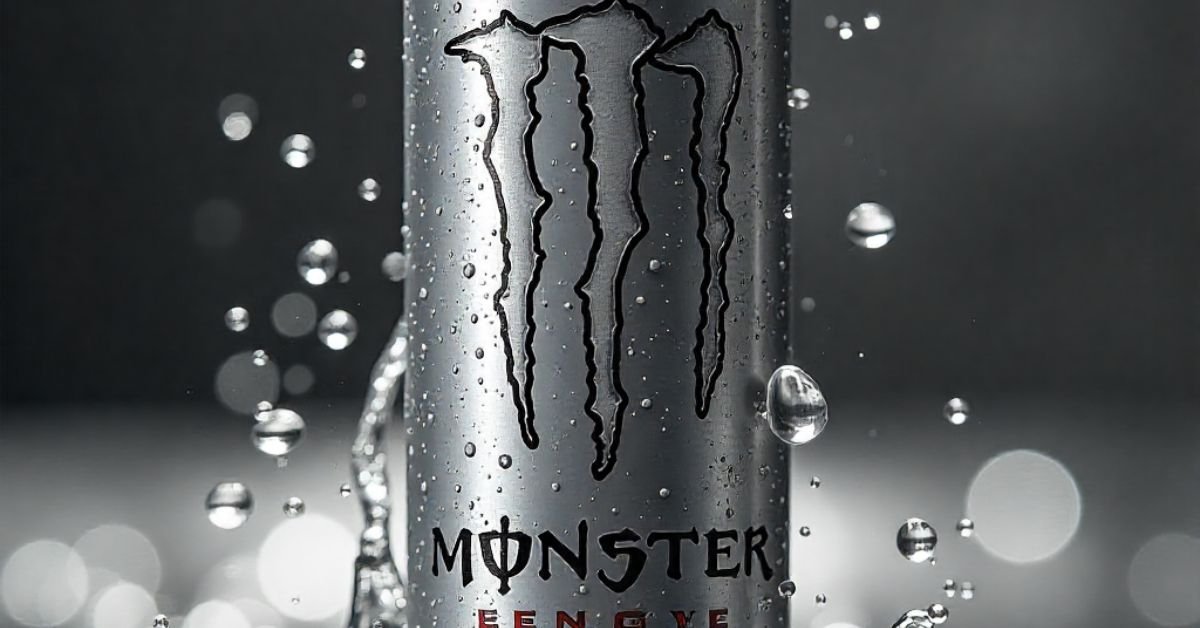
Monster BFC, you’ve probably wondered: “What’s the deal with this giant energy drink?” The Monster BFC isn’t just another energy beverage—it’s a legend among caffeine lovers, gamers, and anyone who needs a serious boost. But is it really worth the hype? And more importantly, how much caffeine is in a Monster BFC compared to other energy drinks?
In this comprehensive guide, we’ll break down everything you need to know about Monster BFC in 2025. From caffeine content and new Monster flavors to the latest on Monster alcohol and health risks, you’ll get the facts, the fun, and the real-life stories behind this iconic can.
What Is Monster BFC? The Big, Bad Can That Changed the Game
Monster BFC stands for “Big Freakin’ Can” (yes, really). It’s Monster Energy’s answer to the demand for more—more energy, more flavor, and more value. At a whopping 32 ounces, the Monster BFC is one of the largest energy drinks you can buy off the shelf.
But why did Monster create such a huge can? The answer is simple: fans wanted a drink that could last through all-nighters, long road trips, and marathon gaming sessions. The BFC delivers, but it also raises questions about how much caffeine is in a Monster and whether it’s safe to drink the whole thing in one go.
How Much Caffeine Is in a Monster BFC?
Let’s get straight to the point: how much caffeine is in a Monster BFC? This is the question on everyone’s mind, especially with growing concerns about caffeine intake in 2025.
A standard 16-ounce Monster Energy drink contains about 160mg of caffeine. The Monster BFC, at 32 ounces, doubles that—packing a staggering 320mg of caffeine in a single can. That’s the equivalent of about four cups of coffee!
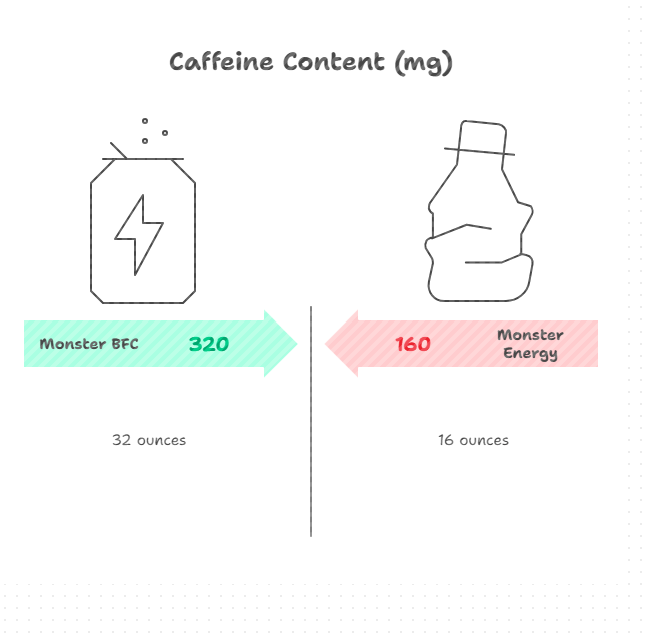
“I once drank a whole Monster BFC before a finals week all-nighter. I finished my paper, but I couldn’t sleep for hours!” — shared by a college student on social media.
How Does It Compare to Other Monster Drinks?
- Monster 16oz: 160mg caffeine
- Monster BFC 32oz: 320mg caffeine
- Monster Energy Zero Ultra 16oz: 140mg caffeine
- Monster Java 15oz: 200mg caffeine
If you’re wondering how much caffeine in Monster compared to other brands, Monster BFC is at the top of the list for mainstream energy drinks.
The Evolution of Monster BFC: From Niche to Icon
When Monster first launched the BFC, it was a novelty—a can so big it barely fit in cup holders. But over the years, it’s become a cult favorite. In 2025, Monster BFC is still going strong, with new flavors and limited-edition releases keeping fans excited.
The Rise of New Monster Flavors
Monster is known for its wild and creative flavors. In recent years, the company has introduced several new Monster flavors to the BFC lineup, including:
- Monster BFC Ultra Sunrise: A citrusy, sugar-free option for early risers.
- Monster BFC Mango Loco: A tropical twist with a fruity punch.
- Monster BFC Nitro: Infused with nitrogen for a smoother, creamier texture.
These new Monster flavors aren’t just about taste—they’re about experience. Each one offers a unique vibe, whether you’re pulling an all-nighter or just need a midday pick-me-up.
Monster BFC and Monster Alcohol: What’s the Connection?
With the rise of hard seltzers and alcoholic energy drinks, you might be wondering about Monster alcohol. In 2025, Monster has entered the alcohol market with its “The Beast Unleashed” line, but the Monster BFC itself remains non-alcoholic.
However, some fans have experimented with mixing Monster BFC and alcohol at parties. While it might sound fun, experts warn that combining high-caffeine drinks with alcohol can mask the effects of intoxication and increase health risks.
How Much Caffeine Is in a Monster Energy Drink? The Science and the Risks
We’ve covered how much caffeine is in a Monster BFC, but what about the rest of the Monster lineup? Here’s a quick breakdown:
- Monster Original (16oz): 160mg caffeine
- Monster BFC (32oz): 320mg caffeine
- Monster Rehab (15.5oz): 160mg caffeine
- Monster Energy Zero Ultra (16oz): 140mg caffeine
Is It Safe to Drink a Monster BFC?
The FDA recommends no more than 400mg of caffeine per day for most adults. That means a single Monster BFC puts you right near the daily limit. Drinking more than one, or combining it with other caffeinated products, can lead to side effects like:
- Jitters and anxiety
- Insomnia
- Rapid heartbeat
- Upset stomach
If you have underlying health conditions or are sensitive to caffeine, it’s best to stick with smaller cans or opt for lower-caffeine options.
Real-Life Example: Monster BFC in Action
A gamer shared online, “Monster BFC is my go-to for 24-hour charity streams. It keeps me alert, but I always pace myself and drink water too. It’s all about balance.”
This kind of real-world feedback is common in the Monster community. Fans love the energy boost, but most know to respect the can’s power.
Monster BFC vs. Other Energy Drinks: The Ultimate Showdown
How does Monster BFC stack up against other big-name energy drinks in 2025? Let’s compare:
| Drink | Size | Caffeine (mg) | Sugar (g) | Notable Flavors |
|---|---|---|---|---|
| Monster BFC | 32oz | 320 | 108 | Ultra Sunrise, Mango Loco |
| Rockstar XDurance | 16oz | 300 | 0 | Cotton Candy, Blue Raz |
| Bang Energy | 16oz | 300 | 0 | Rainbow Unicorn, Black Cherry Vanilla |
| Red Bull | 12oz | 114 | 37 | Original, Sugarfree |
Monster BFC is the king of size and caffeine, but it’s also one of the highest in sugar. If you’re watching your sugar intake, look for the Ultra or Zero Sugar versions.
The Culture of Monster BFC: More Than Just a Drink
Monster BFC isn’t just about caffeine—it’s a lifestyle. From extreme sports sponsorships to gaming tournaments, Monster has built a brand that’s all about pushing limits.
Monster BFC in Pop Culture
You’ll spot Monster BFC cans in music videos, Twitch streams, and even movies. It’s become a symbol of energy, rebellion, and going big.
The Pros and Cons of Monster BFC
Pros
- Massive Energy Boost: Perfect for long nights or big events.
- Variety of Flavors: Something for every taste.
- Iconic Branding: Instantly recognizable and cool.
Cons
- High Caffeine and Sugar: Not for the faint of heart.
- Large Size: Hard to finish in one sitting for some.
- Potential Health Risks: Especially if consumed in excess.
Monster BFC in 2025: Features and Usability
New Packaging Innovations
Monster has updated the BFC can with a resealable lid in 2025, making it easier to save some for later. The new design also keeps your drink colder for longer.
Smart QR Codes
Scan the can to unlock exclusive content, discounts, and even enter Monster-sponsored competitions. It’s a fun way to engage with the brand beyond just drinking the product.
How to Enjoy Monster BFC Safely
- Pace Yourself: Don’t chug the whole can at once.
- Stay Hydrated: Drink water alongside your Monster BFC.
- Know Your Limits: If you feel jittery, stop and take a break.
- Avoid Mixing with Alcohol: It’s not worth the risk.
Monster BFC and the Future of Energy Drinks
As health trends evolve, Monster is experimenting with lower-sugar and plant-based options. Expect to see more functional ingredients—like adaptogens and vitamins—in future BFC releases.
Monster BFC: Real User Reviews
“Monster BFC is my secret weapon for music festivals. I split it with friends and we’re good to go all night. Just don’t try to drink it solo unless you’re a caffeine pro!”
Monster BFC and the Rise of Monster Alcohol
While Monster BFC itself isn’t alcoholic, Monster’s foray into the alcohol market with “The Beast Unleashed” has been a hit. These drinks blend Monster’s signature flavors with a 6% ABV kick, but they’re sold separately from the classic BFC.
If you’re curious about Monster alcohol, remember: mixing energy drinks and alcohol can be risky. Always drink responsibly.
Monster BFC and Health: What Experts Say
Nutritionists warn that while Monster BFC can be safe in moderation, it’s not for everyone. People with heart conditions, anxiety, or caffeine sensitivity should steer clear. Even healthy adults should limit themselves to one can per day, max.
Monster BFC: The Collector’s Item
Believe it or not, Monster BFC cans have become collectibles. Limited-edition flavors and special event cans are traded online, with some fetching surprising prices among fans.
Monster BFC and Sustainability
In 2025, Monster has made strides in sustainability. The BFC can is now made from 100% recycled aluminum, and the company has pledged to reduce its carbon footprint across all product lines.
Monster BFC: The Verdict
Monster BFC is the ultimate energy drink for those who want to go big or go home. With 320mg of caffeine, bold flavors, and a cult following, it’s not for the faint of heart—but it’s a must-try for energy drink enthusiasts.
FAQs
1. How much caffeine is in a Monster BFC?
A Monster BFC contains 320mg of caffeine per 32oz can, making it one of the most caffeinated energy drinks on the market.
2. What’s the difference between Monster BFC and regular Monster?
Monster BFC is twice the size of a regular 16oz Monster and contains double the caffeine and sugar. It’s designed for those who need a serious energy boost
3. Are there any new Monster flavors in the BFC size?
Yes! In 2025, you can find Monster BFC in flavors like Ultra Sunrise, Mango Loco, and Nitro, with more limited editions released throughout the year.
4. Is Monster BFC safe to drink?
4. Is Monster BFC safe to drink?
Ready to Go Big
Whether you’re pulling an all-nighter, hitting the gym, or just want to experience the legend for yourself, Monster BFC is the drink that delivers. Just remember to enjoy responsibly, know your limits, and stay hydrated.

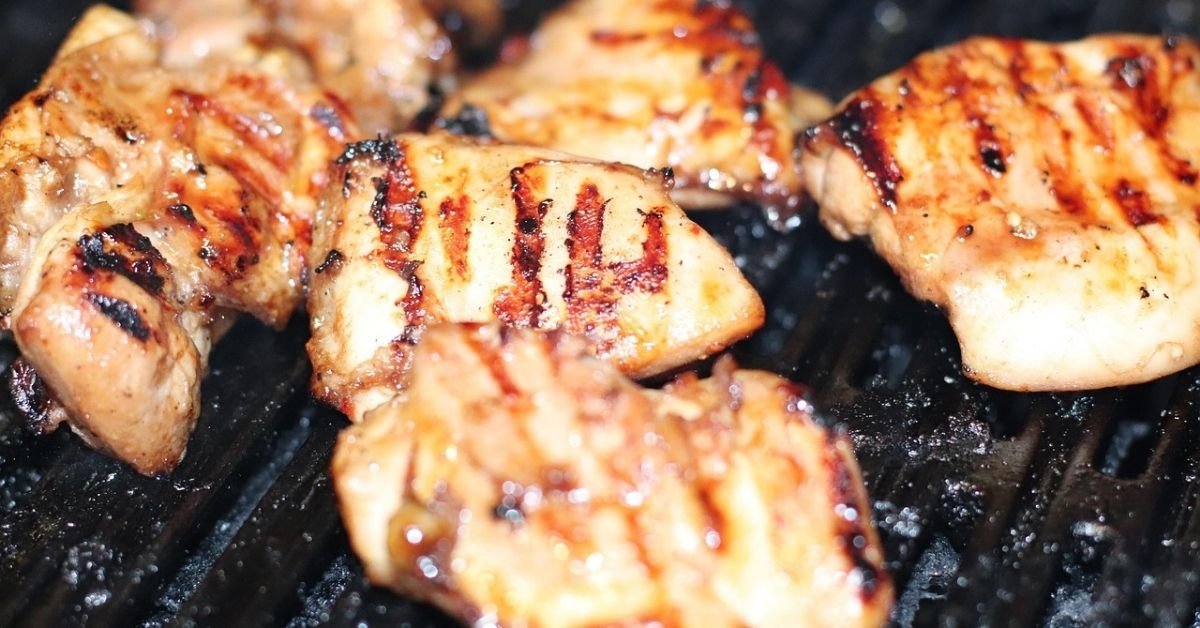
Grilling chicken breast can be a bit tricky, and one of the most common questions is: how long to grill chicken breast The answer depends on several factors, including the thickness of the breast, the heat of the grill, and the desired level of doneness.
Understanding the Basics of Grilling Chicken Breast
Before we dive into the specifics, it’s essential to understand the basics of grilling chicken breast. The key is to cook the chicken to a safe internal temperature while maintaining its juiciness and flavor. The recommended internal temperature for cooked chicken is 165°F (74°C).

Factors Affecting Grilling Time
Several factors can affect the grilling time of chicken breast, including:
- Thickness of the breast: Thicker breasts take longer to cook.
- Heat of the grill: Higher heat cooks the chicken faster, but can also lead to burning.
- Desired level of doneness: Some people prefer their chicken breast more well-done than others.
Tips for Grilling Chicken Breast to Perfection
To achieve perfectly grilled chicken breast, follow these tips:
- Preheat your grill to medium-high heat (around 375°F or 190°C).
- Season the chicken breast with your favorite spices and marinades.
- Grill the chicken breast for 5-7 minutes per side, or until it reaches the recommended internal temperature.
- Let the chicken rest for a few minutes before slicing and serving.
Real-Life Grilling Experiences
“I was skeptical about grilling chicken breast, but after following a few simple tips, I achieved perfectly cooked chicken every time. The key is to not overcook it!” This kind of feedback is common among grill enthusiasts, highlighting the importance of technique and attention to detail.
FAQs
Q: How long should I grill chicken breast at 400°F (200°C)?
A: Grilling chicken breast at 400°F (200°C) can take around 5-6 minutes per side, depending on the thickness of the breast.
Q: Can I grill frozen chicken breast?
A: It’s not recommended to grill frozen chicken breast, as it can lead to uneven cooking and food safety issues. Thaw the chicken breast before grilling.
Q: How can I prevent chicken breast from drying out on the grill?
A: To prevent chicken breast from drying out, make sure to not overcook it, and use a meat thermometer to check the internal temperature.
Q: Can I grill chicken breast with the bone in?
A: Yes, you can grill chicken breast with the bone in, but it may take longer to cook. Make sure to adjust the grilling time accordingly.
Conclusion
Grilling chicken breast can be a delicious and healthy way to prepare a meal, but it requires some finesse. By understanding the factors that affect grilling time and following a few simple tips, you can achieve perfectly cooked chicken breast every time.

Kittens have different nutritional needs than adult cats, requiring a diet rich in protein, fat, and other essential nutrients to support their rapid growth and development. Kitten food is formulated to meet these unique needs, but not all kitten food is created equal.
What to Look for in Kitten Food
When selecting a kitten food, look for a nutrient-rich formula that includes high-quality protein sources, such as chicken or salmon. Avoid fillers and by-products, and opt for a food that’s rich in omega-3 fatty acids to support skin and coat health.
Types of Kitten Food
There are several types of kitten food available, including dry food, wet food, and a combination of both. Dry food is convenient and helps maintain dental health, while wet food provides higher moisture content and can be more palatable.

Dry Kitten Food vs. Wet Kitten Food
Both dry and wet kitten food have their pros and cons. Dry food is often more affordable and has a longer shelf life, but may not be as appealing to kittens. Wet food, on the other hand, is more nutrient-dense and can be more appealing, but may be more expensive and have a shorter shelf life.
“I was overwhelmed by the number of kitten food options available, but after consulting with my vet, I found a great food that my kitten loves and thrives on.” – A satisfied kitten owner
Frequently Asked Questions
Q: How often should I feed my kitten?
A: Kittens typically require 3-4 meals per day until they’re about six months old. After that, you can gradually switch to twice a day.
Q: Can I switch my kitten’s food too quickly?
A: Yes, switching your kitten’s food too quickly can cause digestive upset. Gradually introduce new food over a period of 7-10 days to prevent this.
Q: What are the signs of a food allergy in kittens?
A: Common signs of a food allergy in kittens include itching, scratching, and digestive issues. If you suspect a food allergy, consult with your vet to determine the best course of action.
Q: How do I know if my kitten is getting the right nutrients?
A: Consult with your vet to determine the best kitten food for your kitten’s specific needs. They can help you choose a food that’s rich in essential nutrients and monitor your kitten’s health.
Conclusion
kitten food, it’s clear that choosing the right food for your kitten is a crucial decision. By understanding your kitten’s nutritional needs and consulting with your vet, you can make an informed decision and give your kitten the best possible start in life.

Olive oil for cooking, the type of oil you choose can greatly impact the flavor and nutritional value of your dishes. Extra virgin olive oil (EVOO) is often considered the gold standard, but it’s not always the best choice for high-heat cooking.
EVOO has a low smoke point, which means it can become damaged and lose its flavor when heated to high temperatures. For cooking methods like frying or sautéing, a more neutral-tasting olive oil with a higher smoke point may be a better option.
Choosing the Right Olive Oil for Cooking
So, how do you choose the right olive oil for cooking? Here are a few factors to consider:
- Smoke point: Look for olive oils with a higher smoke point, such as refined or light olive oil, for high-heat cooking.
- Flavor profile: Choose an olive oil that complements the flavors in your dish. For example, a mild olive oil is perfect for delicate fish, while a robust EVOO pairs well with hearty vegetables.
- Quality: Opt for high-quality olive oil from reputable producers to ensure the best flavor and nutritional benefits.
“I love using olive oil for cooking because it adds a richness and depth to my dishes that other oils just can’t match,” said a home cook.

The Benefits of Using Olive Oil for Cooking
Using olive oil for cooking offers numerous benefits, including:
- Health benefits: Olive oil is rich in antioxidants and healthy fats, making it a great choice for heart health.
- Flavor: Olive oil adds a distinct, rich flavor to dishes that can elevate even the simplest recipes.
- Versatility: Olive oil can be used for a variety of cooking methods, from sautéing to roasting.
FAQs
Q: Is olive oil good for cooking?
A: Yes, olive oil for cooking is a great choice, but it’s essential to choose the right type of oil for your cooking method.
Q: What is the best olive oil for cooking?
A: The best olive oil for cooking depends on the cooking method and desired flavor profile. For high-heat cooking, a refined or light olive oil is a good option.
Q: Can I use extra virgin olive oil for cooking?
A: While EVOO is a great choice for low-heat cooking or as a finishing oil, it may not be the best option for high-heat cooking due to its low smoke point.
Q: How do I store olive oil to maintain its quality?
A: Store olive oil in a cool, dark place to preserve its flavor and nutritional benefits.
Conclusion
Olive oil for cooking, it’s clear that this versatile oil can elevate a wide range of dishes. Whether you’re a seasoned chef or a casual cook, incorporating high-quality olive oil into your cooking routine can have a significant impact on the flavor and nutritional value of your meals.
-

 TECH9 months ago
Apple iPhone 17: Official 2025 Release Date Revealed
-

 BLOG9 months ago
Understanding the ∴ Symbol in Math
-

 ENTERTAINMENT7 months ago
What Is SUV? A Family-Friendly Vehicle Explained
-

 EDUCATION4 weeks ago
Horizontal Translation: How to Shift Graphs
-

 EDUCATION9 months ago
Using the Quadratic Formula
-

 ENTERTAINMENT9 months ago
Going Live: How to Stream on TikTok from Your PC
-

 TECH9 months ago
Prodigy: Early Internet Pioneer
-

 EDUCATION9 months ago
The Meaning of an Open Circle in Math Explained