
ENTERTAINMENT
How to Choose Kingdra Best Nature for Rain Teams

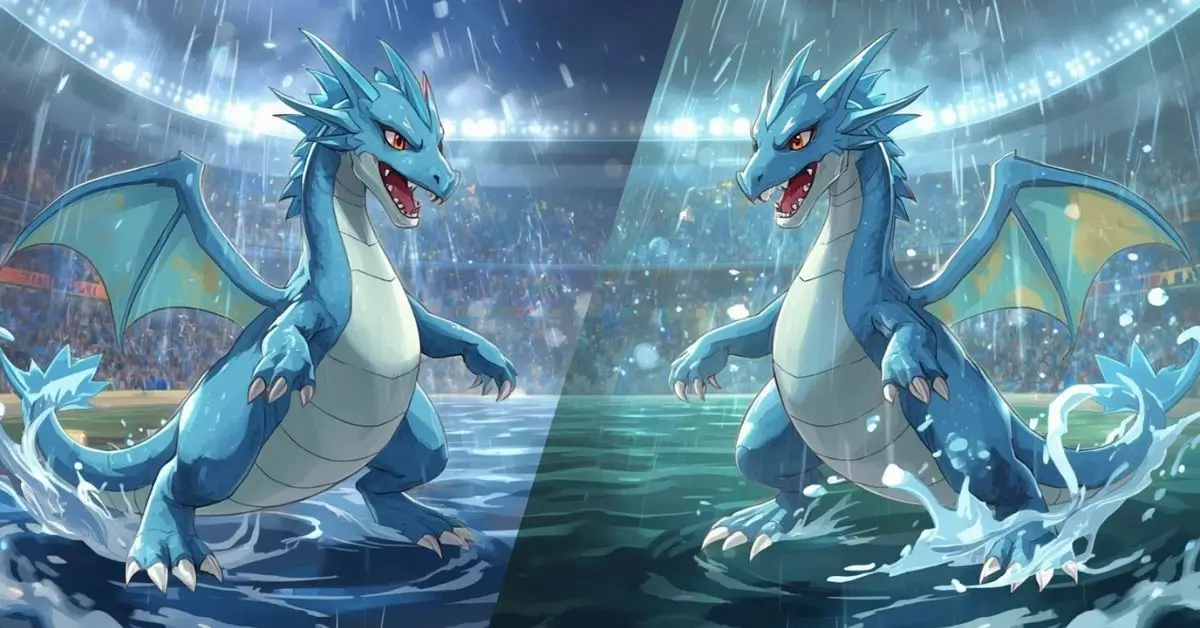
If you’ve ever wondered what the kingdra best nature is for your team, you’re not alone. Kingdra, the Dragon/Water type Pokémon, has been a popular pick in competitive battles since Gen II. With balanced stats, a powerful ability in Swift Swim, and a flexible movepool, Kingdra fits perfectly into rain teams and surprise strategies. But choosing the wrong nature can make or break your competitive build.
This guide is designed for Pokémon players, Smogon users, VGC competitors, Pokémon GO battlers, and content creators who want to unlock Kingdra’s full potential. We’ll explore the kingdra best nature options, EV spreads, movesets, and breeding tips, supported by expert sources from Smogon, Pokémon Database, and VGC resources.
Why Nature Matters for Kingdra
A Pokémon’s nature affects how its stats grow. For Kingdra, this determines whether it thrives as a special attacker, physical attacker, or speed sweeper. Since Kingdra has balanced Attack and Special Attack, your choice of nature defines its role on the battlefield.
kingdra Best Nature
| Nature | Boosts | Lowers | Ideal For | Notes |
|---|---|---|---|---|
| Modest | Special Attack | Attack | Special Attacker | Increases power for moves like Draco Meteor and Hydro Pump. |
| Timid | Speed | Attack | Speed Sweeper | Perfect for rain teams with Swift Swim—outspeeds most threats. |
| Adamant | Attack | Special Attack | Physical Attacker | Works with Waterfall, Outrage, and Dragon Dance. |
| Mild | Special Attack | Defense | Mixed Attacker | Adds flexibility but lowers defense, making Kingdra squishier. |
Quick Takeaway
- Modest = Best for special offense.
- Timid = Best for rain teams and speed control.
- Adamant = Best for physical builds.
Kingdra Competitive Build Strategies
Special Attacker (Modest)
- Nature: Modest
- EV Spread: 252 SpA / 252 Spe / 4 HP
- Ability: Swift Swim
- Moves:
- Hydro Pump
- Draco Meteor
- Ice Beam
- Surf / Hurricane
This build dominates in rain teams, where doubled Speed makes Kingdra a fearsome sweeper.
Physical Attacker (Adamant)
- Nature: Adamant
- EV Spread: 252 Atk / 252 Spe / 4 HP
- Ability: Swift Swim / Sniper
- Moves:
- Waterfall
- Outrage
- Dragon Dance
- Substitute / Iron Head
Great for players who prefer setup sweeping with Dragon Dance.
Mixed Attacker (Mild)
- Nature: Mild
- EV Spread: 120 Atk / 136 SpA / 252 Spe
- Moves:
- Hydro Pump
- Draco Meteor
- Outrage
- Ice Beam
Flexible and unpredictable—works in both Smogon OU and VGC formats.
Kingdra in Different Games
Pokémon Sword & Shield Kingdra
In Sword & Shield, Kingdra shines in rain-based doubles formats. With Dynamax mechanics (before being rotated out), it could snowball quickly with boosted STAB moves.
Pokémon Scarlet & Violet Kingdra
Currently, Kingdra isn’t in the base Paldea Pokédex, but with Pokémon HOME integration, competitive players still use it in formats where it’s allowed. Natures remain consistent across generations—Modest and Timid are still top choices.
How to Breed Kingdra with the Right Natu
- Use an Everstone on the parent Pokémon with the desired nature.
- Pair Kingdra (or Horsea/Seadra) in the Daycare/Nursery with a compatible partner.
- Hatch until you get the nature you want.
- Train EVs accordingly to complement your build.
This method ensures your Kingdra is battle-ready with the correct nature.
Expert Sources
- Smogon University – Competitive Kingdra builds and tier analysis: smogon.com
- Pokémon Database – Nature mechanics and stat explanations: pokemondb.net
- VGC Stats – Data-driven team usage and win rates: vgcstats.com
FAQ’s
What is the kingdra best nature in Pokémon?
The best overall nature is Modest for special attack builds, or Timid if you need extra speed in rain teams.
Is Modest or Timid better for Kingdra?
- Modest hits harder.
- Timid outspeeds more threats, especially in doubles.
Which is the kingdra best nature for Swift Swim?
Timid is generally the best, ensuring you outspeed opposing Swift Swim or weather sweepers.
Can Kingdra run a physical build?
Yes, with Adamant nature and Dragon Dance, Kingdra can work as a strong physical sweeper.
Does nature affect Kingdra’s damage output?
Yes—Modest boosts special moves like Draco Meteor, while Adamant boosts Waterfall and Outrage.
What’s the best EV spread and nature combo?
For rain teams: Timid, 252 SpA / 252 Spe. For offense: Modest, 252 SpA / 252 Spe.
Conclusion
The kingdra best nature depends on your playstyle:
- Modest for raw special power.
- Timid for speed control in rain.
- Adamant for physical sweeping.
Whether you’re preparing for VGC, Smogon battles, or Pokémon GO PvP, choosing the right nature ensures your Kingdra becomes a reliable team anchor. With proper EV training and moveset planning, Kingdra will always be one of the most versatile Dragon/Water types in the game.
ENTERTAINMENT
Garforfans Review 2026: The Ultimate Guide to the Growing Fan Community & Creator Platform


Garforfans is best described as a hybrid platform one that blends the social warmth of a fan community with the financial infrastructure of a creator monetization platform. At its core, it was built on a simple idea: fans deserve a dedicated space to celebrate what they love, and creators deserve direct, meaningful connections with the people who support them.
Unlike purely transactional platforms where the subscriber-creator relationship can feel cold or algorithmic, Garforfans puts genuine engagement at the center of the experience. There are no intrusive algorithms deciding what content you see. Instead, you follow creators and communities you choose, and the platform facilitates that relationship with a rich set of tools.
This dual identity community space and monetization engine is actually one of Garforfans’ greatest strengths. Fans get more than just content; they get belonging. Creators get more than just income; they get a loyal, engaged audience.
The Fans: A Hub for Passion and Connection
If you are a fan joining Garforfans, the experience is designed around discovery, interaction, and exclusive access. The platform recognizes that being a fan is about more than passively consuming content it is about community, conversation, and being part of something bigger.
Join Discussions and Share the Hype
Garforfans features dedicated discussion boards where fans can dive deep into the topics they care about most. Whether you are into gaming, music, fitness, art, or any other niche, there are communities waiting for you. Live chat rooms activate during major events releases, streams, tournaments so fans can share the excitement in real time. These are not generic comment sections. They are purpose-built spaces for people who are genuinely passionate.
Discover News and Fan-Made Content
One of the platform’s standout features is its aggregated content feed, which surfaces the latest news and updates relevant to your interests alongside fan-created content like memes, fan art, and videos. This creates a dynamic, ever-refreshing experience that gives you a reason to return every day. Community-driven content sits alongside creator content, making the platform feel alive and participatory.
Direct Access to Your Favorite Creators
The most valued feature for many fans is the ability to subscribe directly to their favorite creators and unlock exclusive content behind-the-scenes material, early access, direct messages, and personalized interactions that are simply not available anywhere else. This direct creator-to-fan pipeline cuts out the noise of social media algorithms, ensuring you never miss what you actually want to see.
The Creators: A Flexible Monetization Engine
For content creators, Garforfans represents a compelling opportunity to build a sustainable income from their passion, on their own terms. The platform is built around creator control you set the prices, you own the relationship with your audience, and you keep the lion’s share of the revenue.
Your Content, Your Pricing
Unlike platforms that lock you into fixed pricing tiers, Garforfans gives creators full flexibility over their subscription rates. You can set a monthly subscription fee that reflects the value of your content, offer pay-per-view (PPV) posts for premium material, and accept tips from fans who want to show extra support. This multi-layered pricing model allows you to serve both casual fans (at a lower price point) and dedicated superfans (with premium offerings) simultaneously.
The Creator Dashboard: Manage Your Business
Garforfans provides a robust creator dashboard that functions as the command center for your creative business. From a single interface, you can upload and organize content, track your earnings in real time, review audience insights to understand what resonates, and manage your direct messages. The dashboard is designed to be intuitive even for creators who are not technically inclined, removing friction from the business side of content creation so you can focus on what you do best.

Multiple Revenue Streams
Successful creators on Garforfans typically leverage all available revenue channels simultaneously. These include monthly subscriptions from fans who want ongoing access, pay-per-view charges for high-value individual pieces of content, tips and donations from fans who want to express their appreciation directly, and paid private messaging where fans can get personalized attention. This diversified income model makes your earnings more stable and resilient than relying on a single monetization method.
Garforfans Pricing and Commission Structure in 2026
Understanding how money flows on Garforfans is essential for both fans planning their budget and creators evaluating their earning potential.
For Subscribers
As a fan, there is no single platform-wide subscription fee. Instead, you pay each creator individually, at whatever price they have set for their channel. This means your total cost depends entirely on how many creators you follow and at what tier. Many creators also offer free tiers or trial periods, allowing you to sample their content before committing financially.
For Creators
Garforfans operates on a revenue-sharing model: the platform retains a percentage of all earnings, and the creator keeps the rest. The commission rate is competitive within the industry, designed to be sustainable for both the platform and the creators who power it. Below is a comparison of how Garforfans stacks up against its main competitors on commission:
| Platform | Creator Keeps | Commission Rate | Notes |
| Garforfans | ~80% | ~20% | Competitive; full monetization flexibility |
| OnlyFans | 80% | 20% | Industry standard; limited community features |
| Patreon | 88–95% | 5–12% | Lower commission but fewer monetization tools |
| Substack | 90% | 10% | Email/newsletter focused; less community depth |
Note: Commission rates are subject to change. Always review the platform’s official terms before signing up.
Is Garforfans Safe? A 2026 Security and Privacy Deep Dive
For any online platform handling payments and personal content, safety is a non-negotiable concern. Garforfans takes a multi-layered approach to protecting both fans and creators.
Platform Security Measures
Garforfans employs SSL encryption across all data transmissions, meaning any information exchanged between your browser and the platform is protected from interception. Payments are processed through secure, industry-standard payment processors with built-in fraud monitoring. Creators are required to go through an identity verification process before they can monetize, which significantly reduces the risk of impersonation and fake accounts.
Privacy Controls for Creators and Subscribers
Both fans and creators have access to granular privacy controls. Creators can customize the visibility of their profiles and content, restrict access by geography if needed, and block or report any user who violates platform guidelines. Subscribers can engage on the platform with a degree of anonymity your public-facing profile does not need to reveal your real identity, though payment processing requires accurate billing information.

5 Essential Safety Tips for Using Garforfans
- Enable Two-Factor Authentication (2FA): This is the single most effective step you can take to secure your account. Go to your security settings and activate 2FA immediately after signing up.
- Never Share External Contact Information: Do not move conversations off-platform, especially before establishing trust. Garforfans’ messaging system is monitored for safety; external channels are not.
- Report Suspicious Accounts Immediately: If someone messages you with an unusual offer, seems to be impersonating a creator, or requests payment outside the platform, report them using the built-in reporting tool.
- Watch for Phishing Attempts: Garforfans will never email you asking for your password. Be skeptical of any unsolicited communication claiming to be from the platform’s support team.
- Watermark Your Premium Content: Creators should watermark exclusive content to deter unauthorized redistribution. This is both a deterrent and a way to trace leaks back to their source.
Garforfans vs The Competition: How Does It Stack Up?
To understand where Garforfans fits in the crowded creator platform landscape, it helps to compare it directly against the most prominent alternatives.
| Feature | Garforfans | OnlyFans | Patreon | Substack |
| Monetization Flexibility | High | High | Medium | Low |
| Community Features | Strong | Weak | Medium | Weak |
| Analytics Depth | Good | Basic | Good | Medium |
| Ease of Use | High | High | Medium | High |
| Security | Strong | Strong | Strong | Medium |
| Niche Community Support | Strong | Weak | Medium | Weak |
Garforfans is best suited for creators who want the best of both worlds: a genuine community where fans feel like members rather than just customers, paired with flexible tools to monetize that community effectively. It is a particularly strong choice for niche content creators those in gaming, cosplay, fitness, music, or any passion-driven vertical who want deep engagement alongside reliable income.
Pros and Cons of Garforfans in 2026
| Pros | Cons |
| Strong community features (boards, live chat, events) | Requires active self-promotion to grow audience |
| Flexible, multi-stream monetization | Analytics could be more advanced for power users |
| No algorithmic interference you control your audience | Newer platform; smaller existing user base than OnlyFans |
| Competitive commission rate | Creator monetization requires identity verification |
| Robust security and privacy controls | Mobile app still maturing compared to desktop experience |
| Suitable for a wide range of content niches | No free discovery feed for non-subscribers |
Frequently Asked Questions About Garforfans
Is Garforfans legal and legitimate?
Yes. Garforfans operates as a legitimate digital content platform with published terms of service, creator agreements, and community guidelines. All monetization activity takes place within a structured legal framework. As with any platform, users are responsible for ensuring their content complies with both the platform’s rules and applicable local laws.
How much money can you realistically make on Garforfans?
Earnings vary widely and depend on your niche, audience size, content quality, and promotional effort. A creator with a small but highly engaged audience of a few hundred subscribers can generate a meaningful supplemental income, while established creators with thousands of subscribers can earn a full-time living. There is no guaranteed income consistent content creation and active community engagement are the most reliable paths to strong earnings.
How do creators get paid on Garforfans?
Garforfans processes payouts on a regular schedule (typically monthly) to the payment method on file. Creators are required to provide accurate banking or payment account details during the verification process. Payout minimums may apply, and processing times can vary depending on your country and payment method.
Can I use Garforfans anonymously?
Fans can participate on the platform with a degree of anonymity your profile name does not need to be your real name. However, payment processing requires accurate billing information for legal compliance. Creators, on the other hand, must complete identity verification before they can access monetization features, which requires government-issued identification.
What types of content are allowed on Garforfans?
Garforfans supports a broad range of content types across many niches, from gaming and fitness to art, music, lifestyle, and educational content. The platform has community guidelines that prohibit illegal content, content involving minors, non-consensual material, and harassment. Creators are responsible for ensuring their content meets these standards before publishing.
How do I delete my Garforfans account?
Account deletion options are available within your account settings under the privacy section. Before deleting, be aware that any active subscriptions will be terminated and earnings balances should be withdrawn beforehand. Some data may be retained for legal and fraud-prevention purposes even after account deletion.
Does Garforfans have a mobile app?
Garforfans is mobile-friendly and fully accessible through mobile browsers. A dedicated app is available for major platforms, though the mobile app experience continues to be updated and refined. The desktop browser experience currently offers the fullest feature set.
Conclusion
Garforfans occupies a genuinely distinctive position in the creator economy. It is not trying to be just another subscription content platform, nor is it simply a fan forum with a tip jar bolted on. Its real value lies in what happens when you combine both: a platform where community and commerce reinforce each other, creating more engaged fans and more loyal subscribers.
For fans, it offers something the major social networks cannot a focused, algorithm-free space to celebrate your passions and connect directly with the creators and communities that matter to you. For creators, it offers financial flexibility, direct audience relationships, and community-building tools that go far beyond what most competitors provide.
Idle Breakout codes This regularly updated list contains every active code available for Idle Breakout, giving you free gems, unlockable balls, and powerful in-game rewards. Whether you are a new player or a seasoned prestige runner, these codes will give your progress a meaningful boost.
Simply scroll to the active codes list below, copy a code, and follow our quick redemption guide. We test and refresh this list with every new game update so you can always trust what you find here.
Active Idle Breakout Codes
The following codes are currently working as of March 2026. Enter them exactly as shown codes are case-sensitive. Each code can only be used once per account.
| Code | Rewards | Status |
| RELEASE | 500 Gems + 1 Cannon Ball | Active |
| 1MVisits | 300 Gems + Speed Boost | Active |
| BREAKOUT2024 | 750 Gems + Sniper Ball | Active |
| NEWSEASON | 1000 Gems | Active |
| PRESTIGE100 | 500 Gems + Power-Up Pack | Active |
| BALLMANIA | 3 Random Balls + 200 Gems | Active |
Tip: Copy codes directly from the table to avoid typos. Even a single wrong character will prevent the code from working.
Expired Idle Breakout Codes
These codes no longer work but are listed here for reference. If you find a code online that is not on this page, check this list first before spending time trying to redeem it.
| Code | Rewards | Status |
| SUMMER2023 | 250 Gems | Expired |
| HOLIDAY22 | 500 Gems + Ball Pack | Expired |
| LAUNCH | 100 Gems | Expired |
| ANNIVERSARY | 1000 Gems | Expired |
How to Redeem Codes in Idle Breakout
Step-by-Step Guide
Redeeming codes in Idle Breakout is quick and easy. Follow these steps:
- Launch Idle Breakout in your browser (available on Cool Math Games or similar platforms).
- Click the Settings or Menu icon usually a gear icon in the top right corner of the screen.
- Look for a “Codes” or “Enter Code” input field within the menu.
- Type or paste your code exactly as shown pay attention to capital letters and numbers.
- Hit Confirm or Redeem. Your rewards will be added to your account instantly.
Troubleshooting: Why Aren’t My Codes Working?
If a code is not working, here are the most common reasons and fixes:
- Typo in the code: Double-check every character. Codes are case-sensitive, so “Release” and “RELEASE” are treated as different codes.
- Already redeemed: Each code can only be used once per account. If you have used it before, it will not work again.
- Code has expired: Check our expired codes list above. Codes often expire after a game update or milestone event.
- Wrong game version: Some codes are specific to certain platforms. Make sure you are playing the correct version of Idle Breakout.
- Extra spaces: If you copied the code, make sure there are no leading or trailing spaces in the input field.
What is Idle Breakout? A Quick Overview
Idle Breakout is a popular idle/clicker game that puts a modern spin on the classic Breakout arcade formula. Instead of manually controlling a paddle, you deploy a variety of automated balls that continuously smash through colored bricks to earn gold and gems.
As you progress, you unlock new ball types from basic cannon balls and sniper balls to powerful ion balls and plasma balls each with unique attack speeds and damage values. Gold is used for upgrades, while gems (the premium currency) are used for prestige resets and buying powerful boosts. Codes are a great way to jumpstart your gem supply without grinding.
The game is available for free on browser platforms such as Cool Math Games and requires no download or sign-up to play.
How to Find More Idle Breakout Codes
New codes are typically released during game updates, milestone celebrations (like reaching a certain number of players), or special seasonal events. Here is where to look to stay ahead:
- Follow the developer on Twitter/X: Official code announcements are often posted first on social media.
- Join the official Discord server: Community Discord servers are among the fastest places to learn about new codes and game updates.
- Check the game’s description page: On platforms like Cool Math Games, developers sometimes post codes directly in the game description.
- Bookmark this page: We monitor all official channels and update this list as soon as new codes drop.
It is worth noting that codes are usually time-limited, so redeeming them quickly after they are announced is important. Codes released during major milestones often expire within a few days.
Frequently Asked Questions (FAQ)
What are the latest Idle Breakout codes?
Scroll to the Active Codes table at the top of this page for the most current working codes. We update the list with every new game release.
Do Idle Breakout codes expire?
Yes, most codes have an expiration date or expire when a new game version is released. This is why it is important to redeem codes as soon as you find them. Our expired codes section documents all codes that are no longer valid.
How often are new codes released?
New codes are generally released alongside major game updates, player milestone events (such as hitting 1 million visits), or during special seasonal promotions. There is no fixed schedule, so following the developer’s social channels is the most reliable way to catch new codes early.
Can I get unlimited gems with codes?
No. Codes are a one-time-use bonus per account and provide a fixed amount of gems or rewards. They are designed to give players a helpful head start, not to replace normal gameplay progression.
Is there a complete list of all working codes?
Yes the Active Codes table at the top of this page is our complete, tested list of currently working codes. All codes are manually verified before being added to the list.
Final Thoughts
Codes are one of the best ways to accelerate your progress in Idle Breakout, especially early in a run when every gem counts. With the right ball upgrades funded by free gem rewards, you can push through brick walls much faster and reach the prestige stage sooner.
Be sure to bookmark this page and check back regularly. We keep this list live and updated so you never miss a working code. Happy breaking!
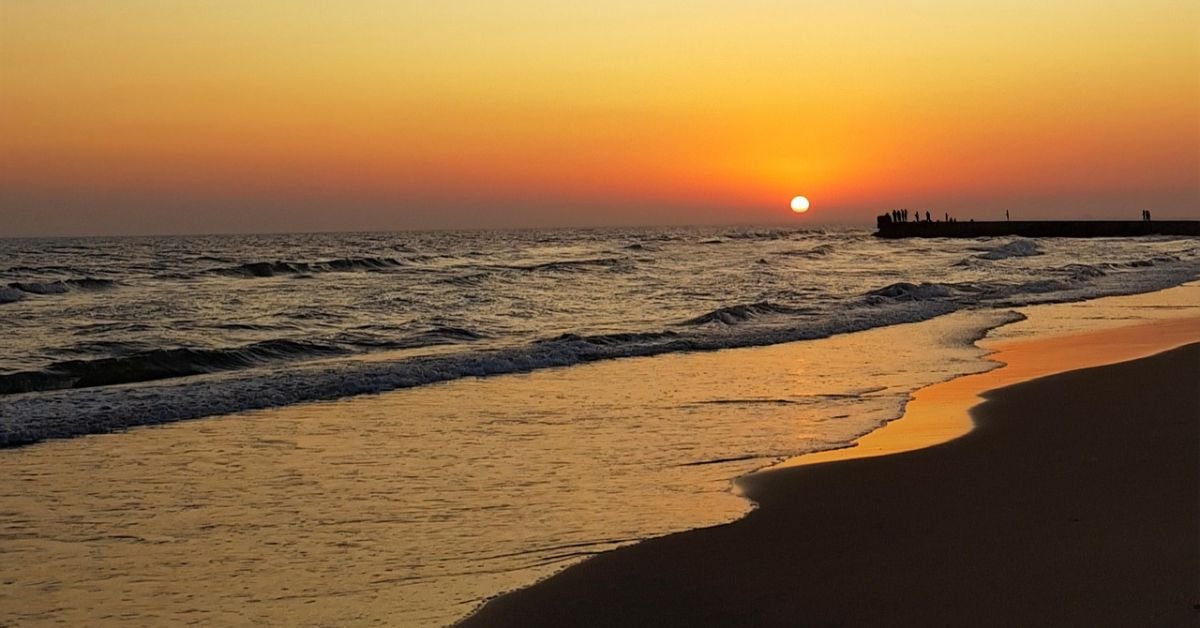
Italy offers some of the Mediterranean’s most breathtaking coastal landscapes. From the rugged cliffs of the Italian Riviera to the powder-white sands of Sardinia, the country’s diverse shoreline caters to every beach lover’s dream. Whether you’re seeking a secluded rocky cove for romantic sunsets, a family-friendly sandy beach with crystal-clear shallow waters, or a picturesque bay framed by colorful fishing villages, Italy’s beautiful beaches promise unforgettable experiences.
This comprehensive guide takes you beyond the Italian Riviera to explore the most stunning beaches across all of Italy’s coastal regions. You’ll discover practical information about accessibility, the best seasons to visit, local amenities, and insider tips to help you choose your perfect Italian beach destination.
What Makes an Italian Beach Beautiful?
Italian beaches captivate visitors with their stunning diversity. The defining features include:
- Crystal-clear Mediterranean waters ranging from emerald green to deep sapphire blue, offering exceptional visibility for swimming and snorkeling
- Varied coastlines including fine white sand, golden beaches, smooth pebbles, and dramatic rocky coves
- Stunning backdrops of limestone cliffs, pine forests, pastel-colored villages, and terraced vineyards that create postcard-perfect scenery
- A unique blend of natural beauty and cultural heritage, with ancient watchtowers, fishing boats, and seaside trattorias enhancing the authentic Italian atmosphere
The Best Beach Regions of Italy: From North to South
The Italian Riviera (Liguria)
The Italian Riviera stretches along Italy’s northwest coast, offering a perfect combination of dramatic cliffs, charming fishing villages, and intimate beaches. The region’s crown jewels include the five villages of Cinque Terre and the glamorous resort town of Portofino.
Baia del Silenzio, Sestri Levante
This crescent-shaped bay lives up to its name—the “Bay of Silence.” Framed by pastel-colored houses and gentle hills, this sandy beach offers calm, shallow waters perfect for families. The peaceful atmosphere makes it ideal for those seeking a tranquil retreat.
Key Features: Fine sand, protected bay with gentle waves, picturesque backdrop of colorful buildings
Getting There & Tips: Easily accessible by train to Sestri Levante station, then a 10-minute walk. Visit in early morning or late afternoon during summer to avoid crowds. Mix of free beach areas and stabilimenti (beach clubs) with sunbed rentals.
Monterosso Beach, Cinque Terre
The largest and most accessible beach in Cinque Terre, Monterosso combines the charm of an ancient fishing village with the convenience of a proper sandy beach. The beach features both sandy and pebbled sections, with the historic tower and colorful houses providing a stunning backdrop.
Key Features: Sandy and pebble mix, family-friendly shallow waters, scenic views, well-developed amenities
Getting There & Tips: Reach via the Cinque Terre train line. The beach is steps from the station. Popular with families due to gentle entry into the water. Book beach club spots in advance during peak season (July-August). Consider visiting in May-June or September for pleasant weather with fewer tourists.
Paraggi Beach, Portofino
Nestled between Portofino and Santa Margherita Ligure, Paraggi is a small, exclusive cove with remarkably clear turquoise water. This sandy beach attracts a sophisticated crowd and offers excellent snorkeling opportunities among the rocks at either end of the bay.
Key Features: Fine sand, exceptionally clear water, protected cove, upscale atmosphere
Getting There & Tips: Accessible by bus from Santa Margherita Ligure or a scenic 25-minute walk from Portofino. Parking is limited and expensive. Mostly private beach clubs; arrive early if seeking free beach space. Best for couples and those seeking a more refined beach experience.
San Fruttuoso
This hidden gem is only accessible by boat or hiking trail, making it one of Liguria’s most secluded beaches. The small pebble beach sits in front of a medieval abbey in a dramatic rocky bay, creating an unforgettable setting for adventurous visitors.
Key Features: Pebble beach, historic abbey, underwater Christ statue for divers, remote location
Getting There & Tips: Take a boat from Camogli, Portofino, or Santa Margherita Ligure, or hike from Portofino (about 2 hours). Limited facilities, so bring water and snacks. The underwater statue of Christ of the Abyss is a major attraction for snorkelers and divers. Best visited on weekdays to avoid crowds.

The Amalfi Coast (Campania)
The legendary Amalfi Coast combines dramatic cliff-side scenery with charming beaches tucked into hidden coves. While more famous for its vertical villages than expansive beaches, the coast offers unique swimming experiences with stunning mountain backdrops.
Fiordo di Furore
This tiny beach sits at the base of a dramatic fjord-like gorge carved between towering cliffs. The small pebble beach, reached by a steep staircase, offers an intimate and spectacular swimming spot where the emerald waters are framed by soaring rock walls.
Key Features: Pebble beach, fjord setting, crystal-clear deep water, dramatic cliff walls
Getting There & Tips: Located between Amalfi and Positano on the SS163 coastal road. Descend about 300 steps from the road. Very small beach—arrive early morning. Not suitable for young children due to deep water and stairs. Popular with cliff divers during the summer Red Bull competition.
Marina di Praia
A charming small beach nestled in a cove between Amalfi and Positano, Marina di Praia maintains an authentic fishing village atmosphere. The mix of sand and pebbles, combined with excellent seafood restaurants right on the beach, makes this a favorite among locals.
Key Features: Sandy and pebble mix, fishing boats, beachfront restaurants, protected cove
Getting There & Tips: Accessible via stairs from the coastal road (easier than Furore). Mix of free and private beach areas. The beachside restaurants are excellent for lunch—try the fresh seafood. Good for families with older children. Can be reached by boat from Positano or Amalfi.
The Islands: Sardinia & Sicily
Italy’s islands are home to some of the Mediterranean’s most spectacular beaches. Sardinia’s Caribbean-like waters and Sicily’s diverse coastline offer beach experiences that rival any tropical destination.
La Pelosa, Sardinia
Often called the “Caribbean of Europe,” La Pelosa features powder-white sand and incredibly shallow, translucent turquoise water. The beach offers stunning views of the Spanish watchtower on Isola Piana and the distant Asinara island.
Key Features: White sand, shallow water perfect for children, turquoise sea, iconic tower views
Getting There & Tips: Located near Stintino in northwest Sardinia. Beach access requires advance booking (€3.50 per person) during summer to control crowds. Bring reef-safe sunscreen as the water is very shallow. Popular for windsurfing when afternoon winds pick up. Best visited early morning for photography.
Cala Goloritzé, Sardinia
This UNESCO-protected cove is one of Sardinia’s most photographed beaches. Accessible only by boat or hiking, the beach features white pebbles, a dramatic limestone pinnacle rising from the sea, and water in every shade of blue imaginable.
Key Features: White pebble beach, iconic rock pinnacle, pristine waters, protected natural arch
Getting There & Tips: Reach via boat tour from Cala Gonone or a challenging 1.5-hour hike from the Golgo plateau. No facilities—bring everything you need. Boats can only drop off/pick up; they don’t stay at the beach. The hike down is steep; wear proper shoes. Absolutely no drones (heavy fines apply in the protected area).
Scala dei Turchi, Sicily
This unique beach is famous for its brilliant white limestone cliff that resembles a giant staircase descending into the sea. The contrast between the pure white rock and the deep blue Mediterranean creates one of Sicily’s most striking landscapes.
Key Features: Unique white cliff formations, sandy beach, stunning contrast of colors, historical interest
Getting There & Tips: Located near Realmonte on Sicily’s southern coast. Park at the designated lot and walk 10 minutes. The beach can be crowded in summer. Climb the white marl cliff early morning or late afternoon when it’s cooler and the light is best for photos. Nearby Agrigento’s Valley of the Temples makes an excellent day trip combination.
Spiaggia dei Conigli, Lampedusa
Rabbit Beach has been voted one of the world’s best beaches multiple times. Located on the remote island of Lampedusa, closer to Africa than mainland Italy, this protected beach offers pristine white sand and crystalline waters where loggerhead turtles nest.
Key Features: Pure white sand, turquoise water, turtle nesting site, protected nature reserve
Getting There & Tips: Fly to Lampedusa island from Sicily or mainland Italy. The beach is a 20-minute walk from the parking area. Daily visitor numbers are limited to protect the environment. No facilities on the beach itself. Best visited June-September, but July-August can be very crowded. Snorkeling is excellent along the rocky edges.
Puglia: The Heel of Italy’s Boot
Puglia’s extensive coastline offers both the Adriatic and Ionian seas, creating diverse beach experiences from dramatic cliffside grottos to long sandy stretches backed by ancient olive groves.
Polignano a Mare
This historic town sits atop dramatic limestone cliffs with small beaches tucked into rocky coves below. The town beach, Lama Monachile, is framed by a natural arch and ancient buildings perched precariously on the cliff edges above.
Key Features: Pebble and rock beach, dramatic cliff backdrop, natural arch, crystal-clear water
Getting There & Tips: Easy train connection from Bari (about 35 minutes). The main beach is very small and crowded in summer. Explore nearby hidden caves and grottos by renting a kayak. Many visitors prefer the beach platforms and swimming spots along the rocky coast south of town. Sunset viewing from the town’s clifftop terraces is spectacular.
How to Choose Your Perfect Italian Beach: A Practical Guide
Sand vs. Pebbles: What to Expect Underfoot
Sandy beaches are ideal for families with young children, sunbathing, and beach games. They’re more common in Sardinia, Sicily, parts of Puglia, and select spots on the Italian Riviera like Monterosso. Sandy beaches often have gentler entries into the water.
Pebble and rocky beaches dominate much of the Italian Riviera and the Amalfi Coast. While less comfortable for lounging without a mat, these beaches typically offer clearer water and better snorkeling. Bring water shoes for comfort when entering the water.
Family-Friendly vs. Secluded Romantic Coves
Best for families: Monterosso (Cinque Terre), La Pelosa (Sardinia), and Baia del Silenzio (Sestri Levante) offer shallow waters, sandy beaches, and good facilities including beach clubs with umbrellas, restaurants, and bathrooms.
Best for couples: San Fruttuoso, Cala Goloritzé, and Fiordo di Furore provide dramatic scenery, peaceful atmospheres, and a sense of adventure. These often require boat trips or hikes, naturally limiting crowds.
Accessibility: Easy Reach vs. Adventure Hikes
Easily accessible: Monterosso, Baia del Silenzio, Scala dei Turchi, and Polignano a Mare are reachable with minimal walking from parking or train stations. Perfect for those with limited mobility or heavy beach gear.
Requires effort: San Fruttuoso, Cala Goloritzé, and Spiaggia dei Conigli require boat trips or hikes. The extra effort rewards you with fewer crowds and pristine natural settings. Always check weather and sea conditions before planning boat-dependent trips.
Planning Your Visit: Essential Tips
When to Go: Seasons & Crowds
Peak season (July-August): Warmest weather and guaranteed sunshine, but expect significant crowds and higher prices. Beaches like La Pelosa and popular Cinque Terre spots require advance booking. Water temperature is ideal (24-26°C/75-79°F).
Shoulder season (May-June, September): The sweet spot for most visitors. Warm enough for swimming (water 19-23°C/66-73°F), with pleasant weather and manageable crowds. Prices are lower, and you’ll have more space on the beach. Early June and September are particularly ideal.
Off-season (October-April): Many beach clubs and coastal restaurants close. Water is too cold for most swimmers, but the dramatic scenery and empty beaches appeal to photographers and peaceful strollers. Some beaches like those in Sicily may be swimmable into October.

Getting Around: Boats, Trains & Cars
Trains: Excellent for the Italian Riviera (Cinque Terre line) and reaching coastal towns in Puglia. The Circumvesuviana connects Naples to Amalfi Coast towns, though it’s often crowded.
Cars: Essential for exploring Sardinia and Sicily. The Amalfi Coast drive is spectacular but challenging with narrow roads and limited parking. Book accommodation with parking in advance.
Boats: Some beaches are boat-only access (San Fruttuoso, often Cala Goloritzé). Boat tours offer the best way to explore multiple beaches in Cinque Terre or along the Amalfi Coast in a single day.
Beach Essentials in Italy: To Rent or Bring?
Italian beaches mix free public access areas (spiaggia libera) with private beach clubs (stabilimenti balneari).
Beach clubs charge €15-40 per day for umbrella and two sunbeds, with facilities including showers, changing rooms, bars, and restaurants. They’re worth it for comfort and convenience, especially with children.
Free beaches are perfect for budget travelers. Bring your own umbrella or tent (allowed on most beaches), beach mat, and plenty of water. Free beaches fill up quickly in summer, so arrive early to claim your spot.
What to pack: Water shoes for rocky beaches, reef-safe sunscreen, beach towels, hat, and a dry bag for boat trips. Snorkeling gear is worth bringing if you have it, as rental quality varies.
Frequently Asked Questions About Italian Beaches
What is the most beautiful beach in Italy?
Beauty is subjective, but consistent favorites include Cala Goloritzé (Sardinia) for its dramatic limestone pinnacle and turquoise waters, Spiaggia dei Conigli (Lampedusa) for its Caribbean-like purity, and the Amalfi Coast’s hidden coves for their spectacular cliff backdrops. Each region offers something unique—Sardinia for pristine nature, the Riviera for charm, and Sicily for diversity.
Are Italian beaches free to access?
Most Italian beaches have both free public sections (spiaggia libera) and private beach clubs (stabilimenti balneari). By law, all beaches must maintain free access to the water, though the free portions are often smaller and less equipped than the paid areas. Free beaches don’t provide sunbeds or umbrellas, so bring your own.
Which region has the best beaches for families?
Sardinia tops the list for family beaches thanks to its shallow waters, soft white sand, and well-developed facilities. Beaches like La Pelosa offer gradual entries perfect for young children. The Italian Riviera’s Monterosso and Baia del Silenzio also excel for families, with sandy beaches, calm waters, and easy access to amenities and restaurants.
What is the best way to explore the beaches of Cinque Terre?
The ideal Cinque Terre beach exploration combines trains, hiking, and boats. Use the regional train to move between villages quickly, hike the coastal trails for spectacular views, and take a boat tour to see the beaches from the sea and access secluded coves like San Fruttuoso. Buy a Cinque Terre Card for unlimited train travel and trail access.
Can you recommend beautiful beaches less crowded than the Amalfi Coast?
For dramatic coastal scenery with fewer tourists, explore Basilicata’s Maratea coastline, which offers similar cliff-backed beaches without the Amalfi’s crowds. Calabria’s Tropea provides stunning beaches with turquoise water and a charming historic town. Puglia’s Gargano Peninsula features hidden grottos and beautiful beaches with a more authentic, less touristy atmosphere than the Amalfi Coast.
Conclusion
Italy’s beautiful beaches offer extraordinary diversity, from the refined elegance of the Italian Riviera to the wild beauty of Sardinia’s protected coves and the dramatic cliffside beaches of the Amalfi Coast. Whether you’re traveling with family, seeking romantic seclusion, or chasing the perfect Instagram shot, Italy’s coastline delivers unforgettable Mediterranean experiences.
The key to choosing your ideal beach lies in understanding what matters most to you: easy accessibility or adventurous remoteness, soft sand or dramatic rocks, established facilities or pristine nature. By considering the practical information in this guide—from seasonal timing to beach type—you can confidently plan your perfect Italian coastal getaway.
-

 TECH9 months ago
Apple iPhone 17: Official 2025 Release Date Revealed
-

 BLOG9 months ago
Understanding the ∴ Symbol in Math
-

 ENTERTAINMENT7 months ago
What Is SUV? A Family-Friendly Vehicle Explained
-

 EDUCATION1 month ago
Horizontal Translation: How to Shift Graphs
-

 EDUCATION9 months ago
Using the Quadratic Formula
-

 EDUCATION9 months ago
The Meaning of an Open Circle in Math Explained
-

 ENTERTAINMENT9 months ago
Going Live: How to Stream on TikTok from Your PC
-

 TECH9 months ago
Prodigy: Early Internet Pioneer