
FOOD
Golden Drops: The Sweet Simplicity of Brown Sugar Syrup

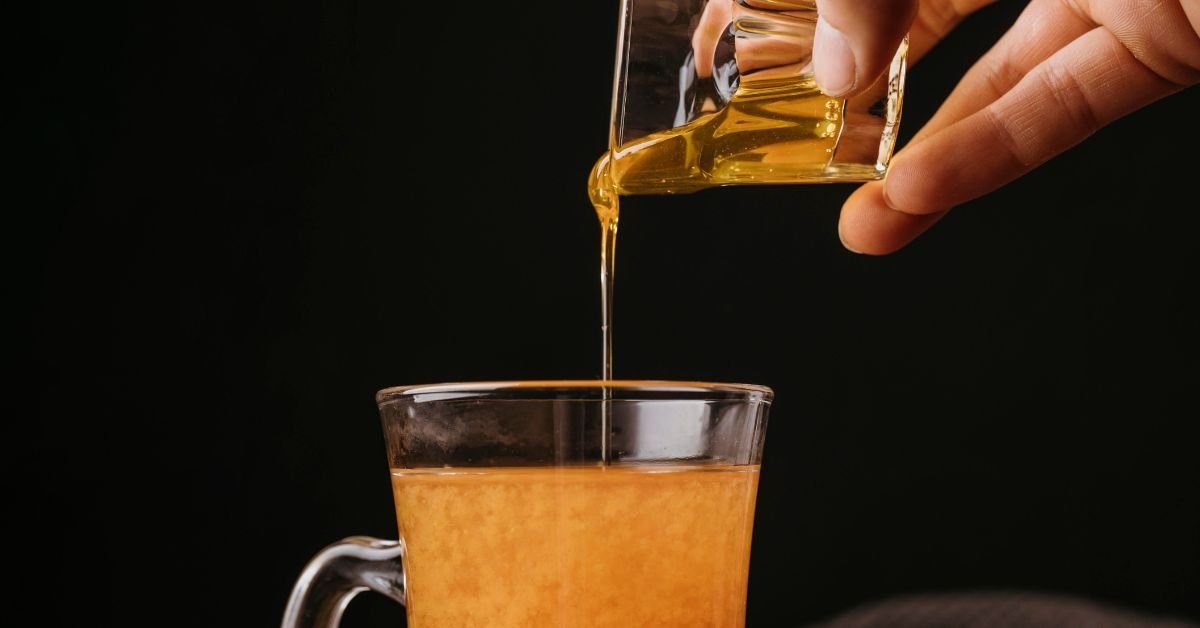
Golden Drops Unlike refined white sugar syrups, brown sugar syrup carries molasses undertones that provide more than sweetness—they add depth and complexity. This natural molasses content in brown sugar is what gives the syrup its rich amber hue and slightly smoky taste.
Whether you’re brewing your morning iced coffee or glazing a roasted ham, this syrup complements both sweet and savory dishes. In fact, its use in bubble tea culture, especially in Taiwanese brown sugar boba, has skyrocketed its status among global flavor trends.
Food scientists note that molasses enhances the umami quality in some foods, making this syrup a hidden gem for chefs who like to play with sweet-savory pairings. Think grilled vegetables, teriyaki sauces, or bourbon-based cocktails—this syrup fits right in.

Making Brown Sugar Syrup at Home Golden Drops
Creating your own batch of brown sugar syrup is quick, budget-friendly, and customizable. All it takes is equal parts brown sugar and water, gently heated until the sugar dissolves completely. For those desiring a thicker texture or more intense flavor, you can simmer the mixture longer or use dark brown sugar instead of light brown.
Infusing your syrup is also a trend among DIY enthusiasts. Vanilla beans, cinnamon sticks, star anise, or even a dash of sea salt can turn an ordinary syrup into a gourmet experience. Stored in airtight glass bottles, homemade brown sugar syrup can last up to three weeks in the refrigerator.
This has led to increased online searches for terms like “brown sugar syrup for coffee,” “homemade Starbucks brown sugar syrup,” and “brown sugar boba recipe”—evidence that people want to replicate their café favorites in the comfort of their own kitchens.
A Staple in Coffee Culture
Coffee aficionados and home baristas often prefer brown sugar syrup over traditional white sugar or artificial sweeteners. Its liquid form dissolves quickly in both hot and cold drinks, eliminating the gritty texture that raw sugar can leave behind. The syrup pairs exceptionally well with espresso-based drinks, oat milk lattes, and cold brews.
When Starbucks introduced the Iced Brown Sugar Oatmilk Shaken Espresso, it introduced millions to the creamy, caramelized notes of this syrup. Since then, it has become a defining flavor in specialty cafés around the world. And unlike flavored syrups that contain artificial additives, brown sugar syrup delivers its sweetness with a natural, nostalgic twist.
The Secret Behind Brown Sugar Boba
One of the most popular drinks in modern tea shops is brown sugar milk tea with boba, often known as “tiger sugar” tea due to the striped caramel patterns on the cup’s interior. Brown sugar syrup is the star ingredient that coats the chewy tapioca pearls, giving them a glossy finish and bold flavor.
The cooking process involves simmering the pearls in syrup, allowing them to soak in the flavor while turning soft and tender. This process ensures that every bite delivers not just texture, but rich molasses sweetness. Its popularity has led to viral TikTok recipes and long queues outside tea shops worldwide.
This trend has also boosted searches for “brown sugar syrup for bubble tea” and “how to make brown sugar boba pearls.” As consumers continue exploring Asian-inspired flavors, brown sugar syrup remains a cornerstone of the boba experience.
Elevating Culinary Creations
Beyond beverages, brown sugar syrup has a place in kitchens as a dynamic ingredient. Drizzled over buttermilk pancakes, mixed into barbecue sauces, or added to glazes for meats, its versatility surprises many first-time users. Its viscosity and flavor balance make it ideal for dishes that require a hint of sweetness without overpowering the main ingredients.
Pastry chefs often use it in caramel sauces, candied nuts, or even spice cakes, as the molasses brings moisture and warmth to baked goods. Meanwhile, mixologists are incorporating it into craft cocktails, preferring its natural complexity over simple syrup. Brown sugar syrup mixes particularly well with bourbon, rum, apple cider, and even spicy jalapeño infusions.
Sustainability and Ingredient Integrity
As more consumers grow conscious of what goes into their food and drinks, brown sugar syrup offers a relatively clean label. With no artificial colors, preservatives, or thickeners, it aligns with today’s demand for minimal-ingredient recipes. Using organic or unrefined brown sugar further elevates its status among health-aware shoppers.
Moreover, the syrup’s long shelf life and multi-use nature reduce waste, contributing to sustainable kitchen practices. Homemade versions can be made in small batches, ensuring that none of it goes to waste and eliminating reliance on single-use packaging common in store-bought syrups.

Frequently Asked Questions (FAQs)
Q1: What is the difference between brown sugar syrup and simple syrup?
Simple syrup is typically made with white sugar, resulting in a neutral, sweet liquid. Brown sugar syrup, however, includes molasses from the brown sugar, giving it a deeper flavor and darker color.
Q2: Can I use brown sugar syrup in cold drinks?
Yes, one of its advantages is that it dissolves instantly in cold beverages, making it perfect for iced coffee, iced teas, and boba drinks.
Q3: How long does homemade brown sugar syrup last?
When stored in an airtight container in the fridge, homemade brown sugar syrup can last up to 3 weeks. Always use a clean spoon to avoid contamination.
Q4: Is brown sugar syrup vegan-friendly?
Yes, brown sugar syrup is vegan as long as the brown sugar used does not include bone char (look for certified vegan or organic options).
Q5: Can brown sugar syrup replace honey or maple syrup in recipes?
In many cases, yes. While the flavor profiles are different, brown sugar syrup can be used as a sweetener substitute in sauces, drinks, and desserts.
Conclusion
Brown sugar syrup has proven itself to be more than just a kitchen trend—it’s a staple that balances nostalgia, flavor depth, and versatility. From café-inspired drinks to creative culinary uses, this syrup has earned its place in pantries around the world. Whether you’re a home chef, a coffee connoisseur, or a bubble tea enthusiast, this golden elixir invites you to explore sweetness in its most nuanced form. Try it once, and you may find yourself reaching for it far more often than you’d expect.

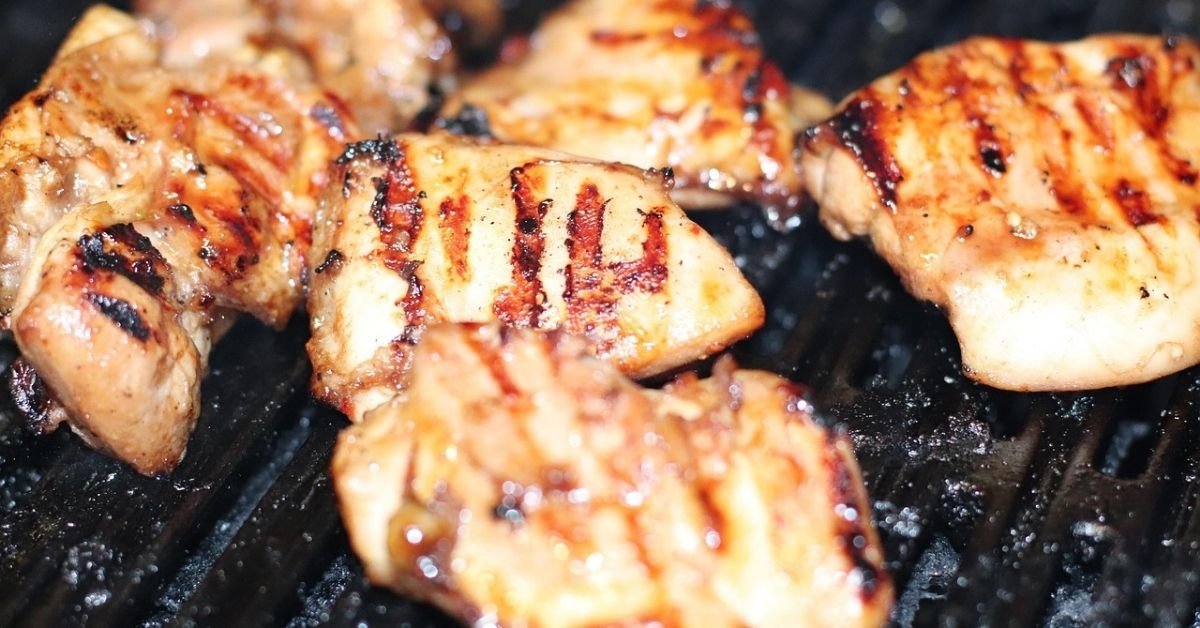
Grilling chicken breast can be a bit tricky, and one of the most common questions is: how long to grill chicken breast The answer depends on several factors, including the thickness of the breast, the heat of the grill, and the desired level of doneness.
Understanding the Basics of Grilling Chicken Breast
Before we dive into the specifics, it’s essential to understand the basics of grilling chicken breast. The key is to cook the chicken to a safe internal temperature while maintaining its juiciness and flavor. The recommended internal temperature for cooked chicken is 165°F (74°C).

Factors Affecting Grilling Time
Several factors can affect the grilling time of chicken breast, including:
- Thickness of the breast: Thicker breasts take longer to cook.
- Heat of the grill: Higher heat cooks the chicken faster, but can also lead to burning.
- Desired level of doneness: Some people prefer their chicken breast more well-done than others.
Tips for Grilling Chicken Breast to Perfection
To achieve perfectly grilled chicken breast, follow these tips:
- Preheat your grill to medium-high heat (around 375°F or 190°C).
- Season the chicken breast with your favorite spices and marinades.
- Grill the chicken breast for 5-7 minutes per side, or until it reaches the recommended internal temperature.
- Let the chicken rest for a few minutes before slicing and serving.
Real-Life Grilling Experiences
“I was skeptical about grilling chicken breast, but after following a few simple tips, I achieved perfectly cooked chicken every time. The key is to not overcook it!” This kind of feedback is common among grill enthusiasts, highlighting the importance of technique and attention to detail.
FAQs
Q: How long should I grill chicken breast at 400°F (200°C)?
A: Grilling chicken breast at 400°F (200°C) can take around 5-6 minutes per side, depending on the thickness of the breast.
Q: Can I grill frozen chicken breast?
A: It’s not recommended to grill frozen chicken breast, as it can lead to uneven cooking and food safety issues. Thaw the chicken breast before grilling.
Q: How can I prevent chicken breast from drying out on the grill?
A: To prevent chicken breast from drying out, make sure to not overcook it, and use a meat thermometer to check the internal temperature.
Q: Can I grill chicken breast with the bone in?
A: Yes, you can grill chicken breast with the bone in, but it may take longer to cook. Make sure to adjust the grilling time accordingly.
Conclusion
Grilling chicken breast can be a delicious and healthy way to prepare a meal, but it requires some finesse. By understanding the factors that affect grilling time and following a few simple tips, you can achieve perfectly cooked chicken breast every time.

Kittens have different nutritional needs than adult cats, requiring a diet rich in protein, fat, and other essential nutrients to support their rapid growth and development. Kitten food is formulated to meet these unique needs, but not all kitten food is created equal.
What to Look for in Kitten Food
When selecting a kitten food, look for a nutrient-rich formula that includes high-quality protein sources, such as chicken or salmon. Avoid fillers and by-products, and opt for a food that’s rich in omega-3 fatty acids to support skin and coat health.
Types of Kitten Food
There are several types of kitten food available, including dry food, wet food, and a combination of both. Dry food is convenient and helps maintain dental health, while wet food provides higher moisture content and can be more palatable.

Dry Kitten Food vs. Wet Kitten Food
Both dry and wet kitten food have their pros and cons. Dry food is often more affordable and has a longer shelf life, but may not be as appealing to kittens. Wet food, on the other hand, is more nutrient-dense and can be more appealing, but may be more expensive and have a shorter shelf life.
“I was overwhelmed by the number of kitten food options available, but after consulting with my vet, I found a great food that my kitten loves and thrives on.” – A satisfied kitten owner
Frequently Asked Questions
Q: How often should I feed my kitten?
A: Kittens typically require 3-4 meals per day until they’re about six months old. After that, you can gradually switch to twice a day.
Q: Can I switch my kitten’s food too quickly?
A: Yes, switching your kitten’s food too quickly can cause digestive upset. Gradually introduce new food over a period of 7-10 days to prevent this.
Q: What are the signs of a food allergy in kittens?
A: Common signs of a food allergy in kittens include itching, scratching, and digestive issues. If you suspect a food allergy, consult with your vet to determine the best course of action.
Q: How do I know if my kitten is getting the right nutrients?
A: Consult with your vet to determine the best kitten food for your kitten’s specific needs. They can help you choose a food that’s rich in essential nutrients and monitor your kitten’s health.
Conclusion
kitten food, it’s clear that choosing the right food for your kitten is a crucial decision. By understanding your kitten’s nutritional needs and consulting with your vet, you can make an informed decision and give your kitten the best possible start in life.

Olive oil for cooking, the type of oil you choose can greatly impact the flavor and nutritional value of your dishes. Extra virgin olive oil (EVOO) is often considered the gold standard, but it’s not always the best choice for high-heat cooking.
EVOO has a low smoke point, which means it can become damaged and lose its flavor when heated to high temperatures. For cooking methods like frying or sautéing, a more neutral-tasting olive oil with a higher smoke point may be a better option.
Choosing the Right Olive Oil for Cooking
So, how do you choose the right olive oil for cooking? Here are a few factors to consider:
- Smoke point: Look for olive oils with a higher smoke point, such as refined or light olive oil, for high-heat cooking.
- Flavor profile: Choose an olive oil that complements the flavors in your dish. For example, a mild olive oil is perfect for delicate fish, while a robust EVOO pairs well with hearty vegetables.
- Quality: Opt for high-quality olive oil from reputable producers to ensure the best flavor and nutritional benefits.
“I love using olive oil for cooking because it adds a richness and depth to my dishes that other oils just can’t match,” said a home cook.

The Benefits of Using Olive Oil for Cooking
Using olive oil for cooking offers numerous benefits, including:
- Health benefits: Olive oil is rich in antioxidants and healthy fats, making it a great choice for heart health.
- Flavor: Olive oil adds a distinct, rich flavor to dishes that can elevate even the simplest recipes.
- Versatility: Olive oil can be used for a variety of cooking methods, from sautéing to roasting.
FAQs
Q: Is olive oil good for cooking?
A: Yes, olive oil for cooking is a great choice, but it’s essential to choose the right type of oil for your cooking method.
Q: What is the best olive oil for cooking?
A: The best olive oil for cooking depends on the cooking method and desired flavor profile. For high-heat cooking, a refined or light olive oil is a good option.
Q: Can I use extra virgin olive oil for cooking?
A: While EVOO is a great choice for low-heat cooking or as a finishing oil, it may not be the best option for high-heat cooking due to its low smoke point.
Q: How do I store olive oil to maintain its quality?
A: Store olive oil in a cool, dark place to preserve its flavor and nutritional benefits.
Conclusion
Olive oil for cooking, it’s clear that this versatile oil can elevate a wide range of dishes. Whether you’re a seasoned chef or a casual cook, incorporating high-quality olive oil into your cooking routine can have a significant impact on the flavor and nutritional value of your meals.
-

 TECH9 months ago
Apple iPhone 17: Official 2025 Release Date Revealed
-

 BLOG9 months ago
Understanding the ∴ Symbol in Math
-

 ENTERTAINMENT7 months ago
What Is SUV? A Family-Friendly Vehicle Explained
-

 EDUCATION4 weeks ago
Horizontal Translation: How to Shift Graphs
-

 EDUCATION9 months ago
Using the Quadratic Formula
-

 ENTERTAINMENT9 months ago
Going Live: How to Stream on TikTok from Your PC
-

 TECH9 months ago
Prodigy: Early Internet Pioneer
-

 EDUCATION9 months ago
The Meaning of an Open Circle in Math Explained