
FOOD
Fat roasts refer to large cuts of meat

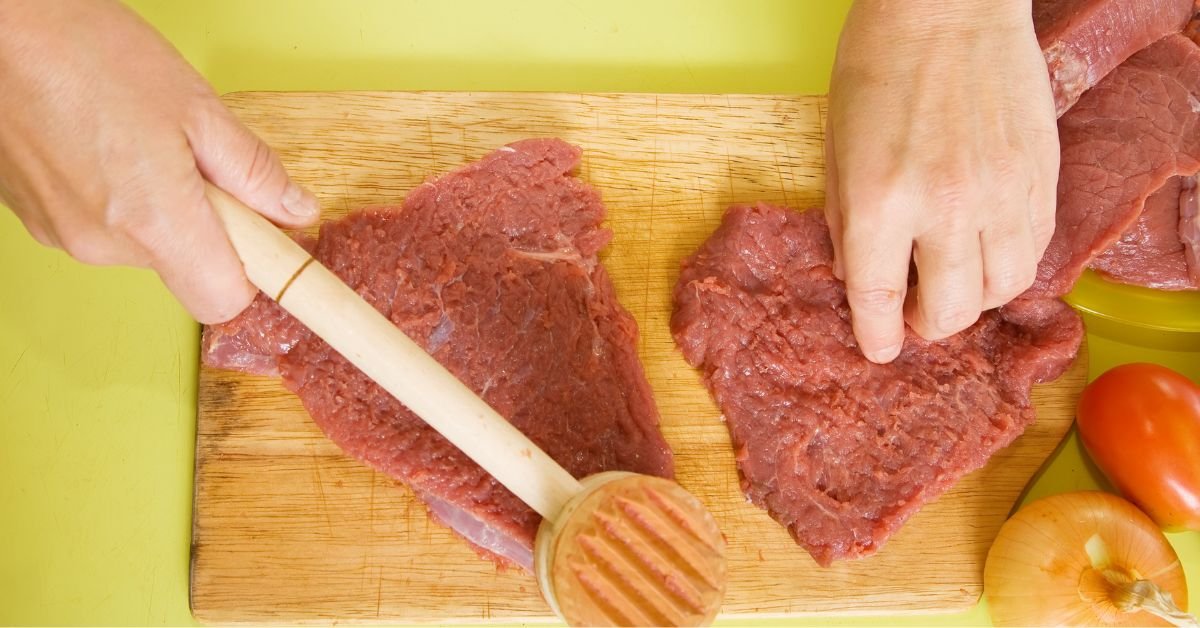
Fat roasts refer to large cuts of meat—think beef brisket, pork shoulder, or lamb leg—that have a generous layer of fat. This fat isn’t just for show. As the roast cooks, the fat slowly renders, basting the meat and infusing it with rich flavor and unbeatable juiciness. The result? A roast that’s both crispy on the outside and succulent on the inside.
But here’s the catch: not all fat roasts are created equal. The type of meat, the thickness of the fat cap, and your roasting method all play a role in the final result. So, how do you make sure your next fat roast is a showstopper? Let’s dig in.
Choosing the Best Cut for Fat Roasts
Beef: Brisket, Ribeye, and Prime Rib
When it comes to beef, brisket is a classic choice for fat roasts. Its thick fat cap and marbled interior make it ideal for slow roasting or smoking. Ribeye and prime rib are also favorites, thanks to their rich marbling and robust flavor.
Pork: Shoulder, Belly, and Loin
Pork shoulder (also known as pork butt) is a go-to for pulled pork and slow-roasted dishes. Pork belly, with its alternating layers of fat and meat, is perfect for crispy crackling. Even pork loin, when left with its fat cap, can make a surprisingly juicy roast.
Lamb: Leg and Shoulder
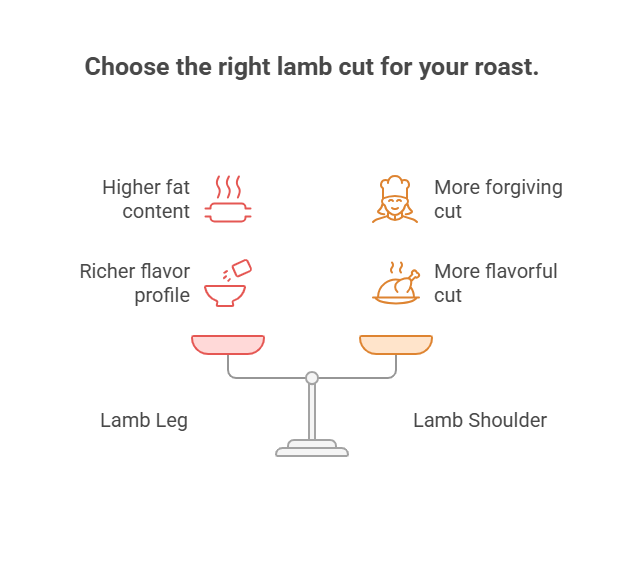
Lamb leg and shoulder both have enough fat to keep the meat moist during long roasting. The shoulder, in particular, is forgiving and flavorful, making it a favorite for Sunday roasts.
The Science Behind Fat Roasts: Why Fat Matters
Fat isn’t just about flavor—it’s about texture, too. As a fat roast cooks, the fat melts and seeps into the meat, keeping it moist and tender. This process, called rendering, is what gives fat roasts their signature juiciness.
But there’s a fine line. Too much fat, and your roast can turn greasy. Too little, and it dries out. The key is balance—and knowing how to trim and score your roast for optimal results.
Prepping Your Fat Roast: Tips for 2025
Trimming and Scoring
Don’t be afraid to trim excess fat, but leave a layer (about 1/4 inch) for flavor. Scoring the fat in a crosshatch pattern helps it render evenly and creates that coveted crispy crust.
Seasoning
Fat roasts love bold flavors. Use a mix of salt, pepper, garlic, and fresh herbs. For an extra punch, try a dry rub with smoked paprika, cumin, or even a touch of brown sugar.
Bringing to Room Temperature
Let your roast sit out for 30–60 minutes before cooking. This ensures even cooking and better fat rendering.
Roasting Techniques: Classic vs Modern Methods
Traditional Oven Roasting
The classic method still holds up. Start your fat roast at a high temperature (450°F/230°C) for 20 minutes to crisp the fat, then lower the heat (325°F/160°C) and roast until done. Use a meat thermometer for perfect doneness.
Sous Vide
Sous vide has taken the guesswork out of fat roasts. By cooking your roast in a water bath at a precise temperature, you get edge-to-edge doneness. Finish with a quick sear in a hot oven or skillet for that crispy fat cap.
Air Fryer and Countertop Ovens
In 2025, air fryers and smart ovens have made roasting easier than ever. These appliances circulate hot air for even cooking and a perfectly crisp exterior. Just remember to adjust cooking times for larger cuts.
Real-Life Fat Roast Success: A User’s Story
“I used to be terrified of ruining a big roast, but after learning how to score the fat and use a digital thermometer, my pork shoulder came out perfect—crispy on the outside, juicy on the inside. My family still talks about it!”
The Pros and Cons of Fat Roasts
Pros
- Flavor: Fat equals flavor. Enough said.
- Juiciness: The rendered fat keeps the meat moist.
- Versatility: Works with beef, pork, lamb, and even poultry.
Cons
- Caloric Content: Fat roasts are rich—enjoy in moderation.
- Cooking Time: These cuts need time and patience.
- Potential for Greasiness: Overcooking or too much fat can make the roast oily.
Fat Roasts in 2025: What’s New?
With the latest kitchen tech, fat roasts are easier than ever. Smart ovens now come with built-in meat probes and AI-powered cooking programs. You can monitor your roast from your phone and get alerts when it’s time to rest or carve.
Sustainability is also a big trend. More butchers are offering grass-fed and ethically raised options, so you can feel good about your Sunday roast.
Expert Tips for Perfect Fat Roasts Every Time
Use a Meat Thermometer
Don’t guess—know. For beef, aim for 135°F (medium-rare) to 145°F (medium). Pork should hit 145°F, and lamb is best at 140–145°F.
Rest Before Carving
Let your roast rest for at least 15–20 minutes. This allows the juices to redistribute, making every slice juicy.
Save the Drippings
Fat roast drippings make incredible gravies and sauces. Don’t let them go to waste!
Fat Roasts: Pairings and Serving Ideas
Fat roasts are rich, so pair them with bright, acidic sides like roasted vegetables, pickled onions, or a crisp salad. For wine, try a bold red like Cabernet Sauvignon or a spicy Shiraz.
Common Mistakes with Fat Roasts (And How to Avoid Them)
- Not scoring the fat: Leads to uneven rendering.
- Skipping the rest: Results in dry meat.
- Overcrowding the pan: Prevents proper browning.
- Ignoring the thermometer: Guesswork leads to overcooked or undercooked meat.
Fat Roasts and Health: What You Need to Know
While fat roasts are indulgent, they can fit into a balanced diet. Opt for grass-fed or leaner cuts when possible, and trim excess fat before serving. Pair with plenty of veggies for a well-rounded meal.
FAQs:
1. How do you get a crispy fat cap on a roast?
To get a crispy fat cap, score the fat, season generously, and start roasting at a high temperature. Finish under the broiler if needed for extra crunch.
2. What’s the best cut of meat for a fat roast?
Brisket, pork shoulder, and lamb shoulder are top choices for fat roasts. Each offers a good balance of fat and meat for juicy results.
3. Can you make fat roasts in an air fryer?
Absolutely! Air fryers are great for smaller roasts. Just be sure to check the size and adjust cooking times. Learn more about air fryer roasting techniques.
4. How do you store and reheat leftover fat roasts?
Store leftovers in an airtight container in the fridge for up to 4 days. Reheat gently in the oven or microwave, adding a splash of broth to keep things moist. For more tips, explore our guide to storing cooked meats.
Final Thoughts
Fat roasts aren’t just a meal—they’re an experience. With the right cut, a little know-how, and the latest kitchen tech, you can create a roast that’s the star of any gathering. Whether you’re a seasoned pro or a curious beginner, there’s always something new to learn about fat roasts.
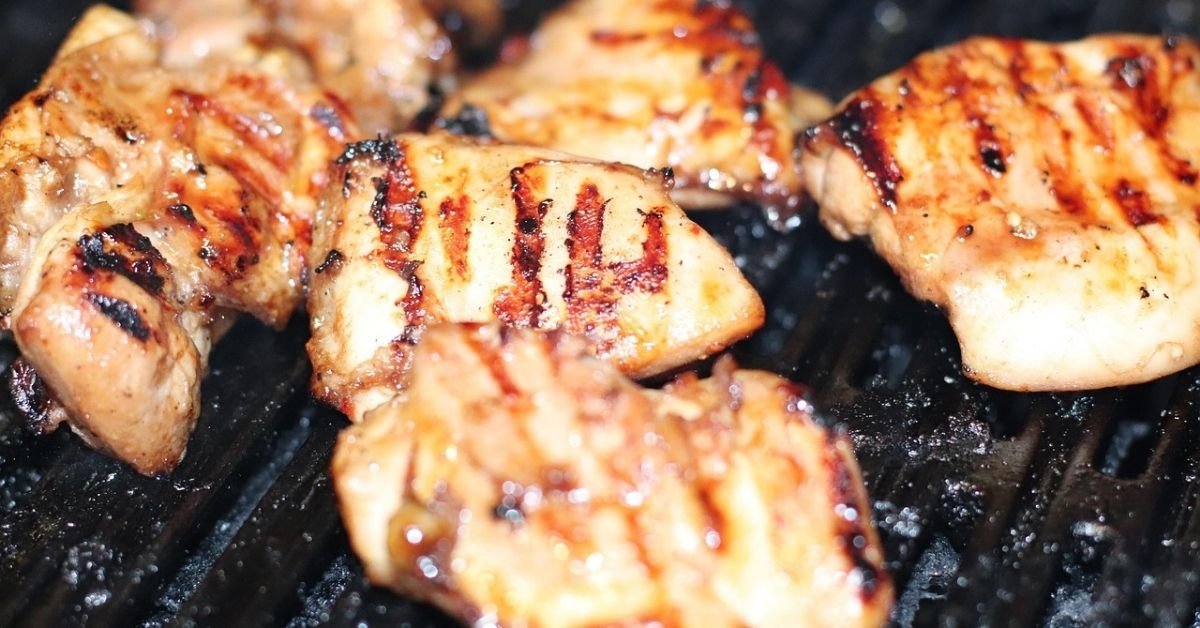
Grilling chicken breast can be a bit tricky, and one of the most common questions is: how long to grill chicken breast The answer depends on several factors, including the thickness of the breast, the heat of the grill, and the desired level of doneness.
Understanding the Basics of Grilling Chicken Breast
Before we dive into the specifics, it’s essential to understand the basics of grilling chicken breast. The key is to cook the chicken to a safe internal temperature while maintaining its juiciness and flavor. The recommended internal temperature for cooked chicken is 165°F (74°C).

Factors Affecting Grilling Time
Several factors can affect the grilling time of chicken breast, including:
- Thickness of the breast: Thicker breasts take longer to cook.
- Heat of the grill: Higher heat cooks the chicken faster, but can also lead to burning.
- Desired level of doneness: Some people prefer their chicken breast more well-done than others.
Tips for Grilling Chicken Breast to Perfection
To achieve perfectly grilled chicken breast, follow these tips:
- Preheat your grill to medium-high heat (around 375°F or 190°C).
- Season the chicken breast with your favorite spices and marinades.
- Grill the chicken breast for 5-7 minutes per side, or until it reaches the recommended internal temperature.
- Let the chicken rest for a few minutes before slicing and serving.
Real-Life Grilling Experiences
“I was skeptical about grilling chicken breast, but after following a few simple tips, I achieved perfectly cooked chicken every time. The key is to not overcook it!” This kind of feedback is common among grill enthusiasts, highlighting the importance of technique and attention to detail.
FAQs
Q: How long should I grill chicken breast at 400°F (200°C)?
A: Grilling chicken breast at 400°F (200°C) can take around 5-6 minutes per side, depending on the thickness of the breast.
Q: Can I grill frozen chicken breast?
A: It’s not recommended to grill frozen chicken breast, as it can lead to uneven cooking and food safety issues. Thaw the chicken breast before grilling.
Q: How can I prevent chicken breast from drying out on the grill?
A: To prevent chicken breast from drying out, make sure to not overcook it, and use a meat thermometer to check the internal temperature.
Q: Can I grill chicken breast with the bone in?
A: Yes, you can grill chicken breast with the bone in, but it may take longer to cook. Make sure to adjust the grilling time accordingly.
Conclusion
Grilling chicken breast can be a delicious and healthy way to prepare a meal, but it requires some finesse. By understanding the factors that affect grilling time and following a few simple tips, you can achieve perfectly cooked chicken breast every time.

Kittens have different nutritional needs than adult cats, requiring a diet rich in protein, fat, and other essential nutrients to support their rapid growth and development. Kitten food is formulated to meet these unique needs, but not all kitten food is created equal.
What to Look for in Kitten Food
When selecting a kitten food, look for a nutrient-rich formula that includes high-quality protein sources, such as chicken or salmon. Avoid fillers and by-products, and opt for a food that’s rich in omega-3 fatty acids to support skin and coat health.
Types of Kitten Food
There are several types of kitten food available, including dry food, wet food, and a combination of both. Dry food is convenient and helps maintain dental health, while wet food provides higher moisture content and can be more palatable.

Dry Kitten Food vs. Wet Kitten Food
Both dry and wet kitten food have their pros and cons. Dry food is often more affordable and has a longer shelf life, but may not be as appealing to kittens. Wet food, on the other hand, is more nutrient-dense and can be more appealing, but may be more expensive and have a shorter shelf life.
“I was overwhelmed by the number of kitten food options available, but after consulting with my vet, I found a great food that my kitten loves and thrives on.” – A satisfied kitten owner
Frequently Asked Questions
Q: How often should I feed my kitten?
A: Kittens typically require 3-4 meals per day until they’re about six months old. After that, you can gradually switch to twice a day.
Q: Can I switch my kitten’s food too quickly?
A: Yes, switching your kitten’s food too quickly can cause digestive upset. Gradually introduce new food over a period of 7-10 days to prevent this.
Q: What are the signs of a food allergy in kittens?
A: Common signs of a food allergy in kittens include itching, scratching, and digestive issues. If you suspect a food allergy, consult with your vet to determine the best course of action.
Q: How do I know if my kitten is getting the right nutrients?
A: Consult with your vet to determine the best kitten food for your kitten’s specific needs. They can help you choose a food that’s rich in essential nutrients and monitor your kitten’s health.
Conclusion
kitten food, it’s clear that choosing the right food for your kitten is a crucial decision. By understanding your kitten’s nutritional needs and consulting with your vet, you can make an informed decision and give your kitten the best possible start in life.
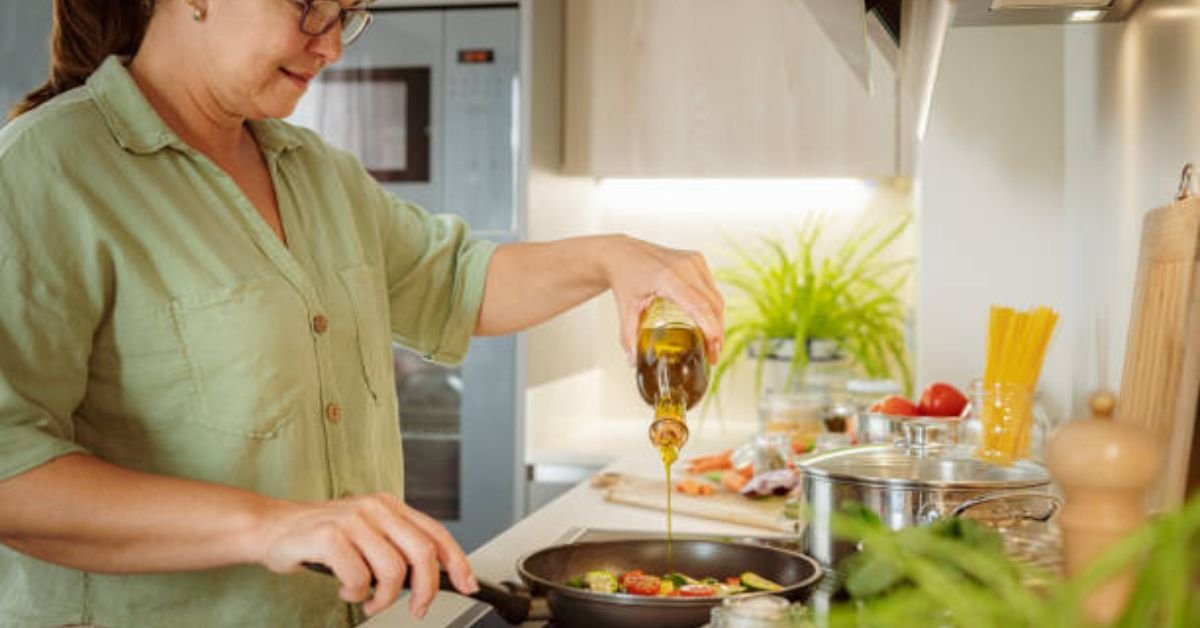
Olive oil for cooking, the type of oil you choose can greatly impact the flavor and nutritional value of your dishes. Extra virgin olive oil (EVOO) is often considered the gold standard, but it’s not always the best choice for high-heat cooking.
EVOO has a low smoke point, which means it can become damaged and lose its flavor when heated to high temperatures. For cooking methods like frying or sautéing, a more neutral-tasting olive oil with a higher smoke point may be a better option.
Choosing the Right Olive Oil for Cooking
So, how do you choose the right olive oil for cooking? Here are a few factors to consider:
- Smoke point: Look for olive oils with a higher smoke point, such as refined or light olive oil, for high-heat cooking.
- Flavor profile: Choose an olive oil that complements the flavors in your dish. For example, a mild olive oil is perfect for delicate fish, while a robust EVOO pairs well with hearty vegetables.
- Quality: Opt for high-quality olive oil from reputable producers to ensure the best flavor and nutritional benefits.
“I love using olive oil for cooking because it adds a richness and depth to my dishes that other oils just can’t match,” said a home cook.

The Benefits of Using Olive Oil for Cooking
Using olive oil for cooking offers numerous benefits, including:
- Health benefits: Olive oil is rich in antioxidants and healthy fats, making it a great choice for heart health.
- Flavor: Olive oil adds a distinct, rich flavor to dishes that can elevate even the simplest recipes.
- Versatility: Olive oil can be used for a variety of cooking methods, from sautéing to roasting.
FAQs
Q: Is olive oil good for cooking?
A: Yes, olive oil for cooking is a great choice, but it’s essential to choose the right type of oil for your cooking method.
Q: What is the best olive oil for cooking?
A: The best olive oil for cooking depends on the cooking method and desired flavor profile. For high-heat cooking, a refined or light olive oil is a good option.
Q: Can I use extra virgin olive oil for cooking?
A: While EVOO is a great choice for low-heat cooking or as a finishing oil, it may not be the best option for high-heat cooking due to its low smoke point.
Q: How do I store olive oil to maintain its quality?
A: Store olive oil in a cool, dark place to preserve its flavor and nutritional benefits.
Conclusion
Olive oil for cooking, it’s clear that this versatile oil can elevate a wide range of dishes. Whether you’re a seasoned chef or a casual cook, incorporating high-quality olive oil into your cooking routine can have a significant impact on the flavor and nutritional value of your meals.
-

 TECH9 months ago
Apple iPhone 17: Official 2025 Release Date Revealed
-

 BLOG9 months ago
Understanding the ∴ Symbol in Math
-

 ENTERTAINMENT7 months ago
What Is SUV? A Family-Friendly Vehicle Explained
-

 EDUCATION4 weeks ago
Horizontal Translation: How to Shift Graphs
-

 EDUCATION9 months ago
Using the Quadratic Formula
-

 ENTERTAINMENT9 months ago
Going Live: How to Stream on TikTok from Your PC
-

 TECH9 months ago
Prodigy: Early Internet Pioneer
-

 EDUCATION9 months ago
The Meaning of an Open Circle in Math Explained