
ENTERTAINMENT
Dungeons & Dragons Roleplaying Game: A Journey into Fantasy and Adventure


Dungeons & Dragons is a collaborative storytelling experience that combines elements of theater, strategy, and social interaction. Players take on the roles of characters, navigating a richly detailed world filled with magic, monsters, and mythical creatures. The game is guided by a Dungeon Master (DM), who creates and narrates the game world, its inhabitants, and the challenges that players must overcome.
The Benefits of Playing Dungeons & Dragons Roleplaying Game
Playing D&D offers a wide range of benefits, from improved social skills and creativity to enhanced problem-solving and critical thinking. By working together to overcome challenges and achieve common goals, players develop strong bonds and lasting memories.
“I was skeptical at first, but once I started playing D&D, I was hooked. It’s an incredible way to connect with friends and explore new worlds.”
Getting Started with Dungeons & Dragons Roleplaying Game
If you’re new to D&D, getting started can seem daunting. But don’t worry – with a few simple steps, you can be rolling dice and embarking on adventures in no time. First, gather a group of friends or like-minded players and choose a character to play. You can use pre-made characters or create your own using the game’s rules and guidelines.

Understanding the Rules and Mechanics
D&D has a complex ruleset, but don’t let that intimidate you. The game’s core mechanics are relatively straightforward, and you can always learn more as you play. The key is to focus on having fun and being creative, rather than getting bogged down in rules and regulations.
Exploring the World of Dungeons & Dragons Roleplaying Game
The world of D&D is vast and diverse, with countless settings, characters, and storylines to explore. From the high-fantasy realms of Faerûn to the dark, gothic landscapes of Ravenloft, there’s something for every taste and preference.
FAQs
Q: Is Dungeons & Dragons roleplaying game suitable for Dungeons & Dragons roleplaying game beginners?
A: Absolutely! D&D is a great game for beginners, with a gentle learning curve and plenty of resources available to help you get started.
Q: How many players are needed to play Dungeons & Dragons roleplaying game?
A: The ideal number of players for D&D is typically between 3-7, although you can play with as few as 2 or as many as 10+ players.
Q: Can I create my own characters in Dungeons & Dragons roleplaying game?
A: Yes, one of the best things about D&D is the ability to create your own unique characters. You can use the game’s rules and guidelines to craft a character that suits your playstyle and personality.
Q: How long does a typical Dungeons & Dragons roleplaying game session last?
A: The length of a D&D session can vary widely, depending on the group’s pace and the complexity of the adventure. On average, a session can last anywhere from 2-6 hours.
Conclusion
The Dungeons & Dragons roleplaying game is a rich and rewarding experience that offers something for everyone. Whether you’re a seasoned veteran or a curious newcomer, we encourage you to explore the world of D&D and discover its many wonders.

Idle Breakout codes This regularly updated list contains every active code available for Idle Breakout, giving you free gems, unlockable balls, and powerful in-game rewards. Whether you are a new player or a seasoned prestige runner, these codes will give your progress a meaningful boost.
Simply scroll to the active codes list below, copy a code, and follow our quick redemption guide. We test and refresh this list with every new game update so you can always trust what you find here.
Active Idle Breakout Codes
The following codes are currently working as of March 2026. Enter them exactly as shown codes are case-sensitive. Each code can only be used once per account.
| Code | Rewards | Status |
| RELEASE | 500 Gems + 1 Cannon Ball | Active |
| 1MVisits | 300 Gems + Speed Boost | Active |
| BREAKOUT2024 | 750 Gems + Sniper Ball | Active |
| NEWSEASON | 1000 Gems | Active |
| PRESTIGE100 | 500 Gems + Power-Up Pack | Active |
| BALLMANIA | 3 Random Balls + 200 Gems | Active |
Tip: Copy codes directly from the table to avoid typos. Even a single wrong character will prevent the code from working.
Expired Idle Breakout Codes
These codes no longer work but are listed here for reference. If you find a code online that is not on this page, check this list first before spending time trying to redeem it.
| Code | Rewards | Status |
| SUMMER2023 | 250 Gems | Expired |
| HOLIDAY22 | 500 Gems + Ball Pack | Expired |
| LAUNCH | 100 Gems | Expired |
| ANNIVERSARY | 1000 Gems | Expired |
How to Redeem Codes in Idle Breakout
Step-by-Step Guide
Redeeming codes in Idle Breakout is quick and easy. Follow these steps:
- Launch Idle Breakout in your browser (available on Cool Math Games or similar platforms).
- Click the Settings or Menu icon usually a gear icon in the top right corner of the screen.
- Look for a “Codes” or “Enter Code” input field within the menu.
- Type or paste your code exactly as shown pay attention to capital letters and numbers.
- Hit Confirm or Redeem. Your rewards will be added to your account instantly.
Troubleshooting: Why Aren’t My Codes Working?
If a code is not working, here are the most common reasons and fixes:
- Typo in the code: Double-check every character. Codes are case-sensitive, so “Release” and “RELEASE” are treated as different codes.
- Already redeemed: Each code can only be used once per account. If you have used it before, it will not work again.
- Code has expired: Check our expired codes list above. Codes often expire after a game update or milestone event.
- Wrong game version: Some codes are specific to certain platforms. Make sure you are playing the correct version of Idle Breakout.
- Extra spaces: If you copied the code, make sure there are no leading or trailing spaces in the input field.
What is Idle Breakout? A Quick Overview
Idle Breakout is a popular idle/clicker game that puts a modern spin on the classic Breakout arcade formula. Instead of manually controlling a paddle, you deploy a variety of automated balls that continuously smash through colored bricks to earn gold and gems.
As you progress, you unlock new ball types from basic cannon balls and sniper balls to powerful ion balls and plasma balls each with unique attack speeds and damage values. Gold is used for upgrades, while gems (the premium currency) are used for prestige resets and buying powerful boosts. Codes are a great way to jumpstart your gem supply without grinding.
The game is available for free on browser platforms such as Cool Math Games and requires no download or sign-up to play.
How to Find More Idle Breakout Codes
New codes are typically released during game updates, milestone celebrations (like reaching a certain number of players), or special seasonal events. Here is where to look to stay ahead:
- Follow the developer on Twitter/X: Official code announcements are often posted first on social media.
- Join the official Discord server: Community Discord servers are among the fastest places to learn about new codes and game updates.
- Check the game’s description page: On platforms like Cool Math Games, developers sometimes post codes directly in the game description.
- Bookmark this page: We monitor all official channels and update this list as soon as new codes drop.
It is worth noting that codes are usually time-limited, so redeeming them quickly after they are announced is important. Codes released during major milestones often expire within a few days.

Frequently Asked Questions (FAQ)
What are the latest Idle Breakout codes?
Scroll to the Active Codes table at the top of this page for the most current working codes. We update the list with every new game release.
Do Idle Breakout codes expire?
Yes, most codes have an expiration date or expire when a new game version is released. This is why it is important to redeem codes as soon as you find them. Our expired codes section documents all codes that are no longer valid.
How often are new codes released?
New codes are generally released alongside major game updates, player milestone events (such as hitting 1 million visits), or during special seasonal promotions. There is no fixed schedule, so following the developer’s social channels is the most reliable way to catch new codes early.
Can I get unlimited gems with codes?
No. Codes are a one-time-use bonus per account and provide a fixed amount of gems or rewards. They are designed to give players a helpful head start, not to replace normal gameplay progression.
Is there a complete list of all working codes?
Yes the Active Codes table at the top of this page is our complete, tested list of currently working codes. All codes are manually verified before being added to the list.
Final Thoughts
Codes are one of the best ways to accelerate your progress in Idle Breakout, especially early in a run when every gem counts. With the right ball upgrades funded by free gem rewards, you can push through brick walls much faster and reach the prestige stage sooner.
Be sure to bookmark this page and check back regularly. We keep this list live and updated so you never miss a working code. Happy breaking!
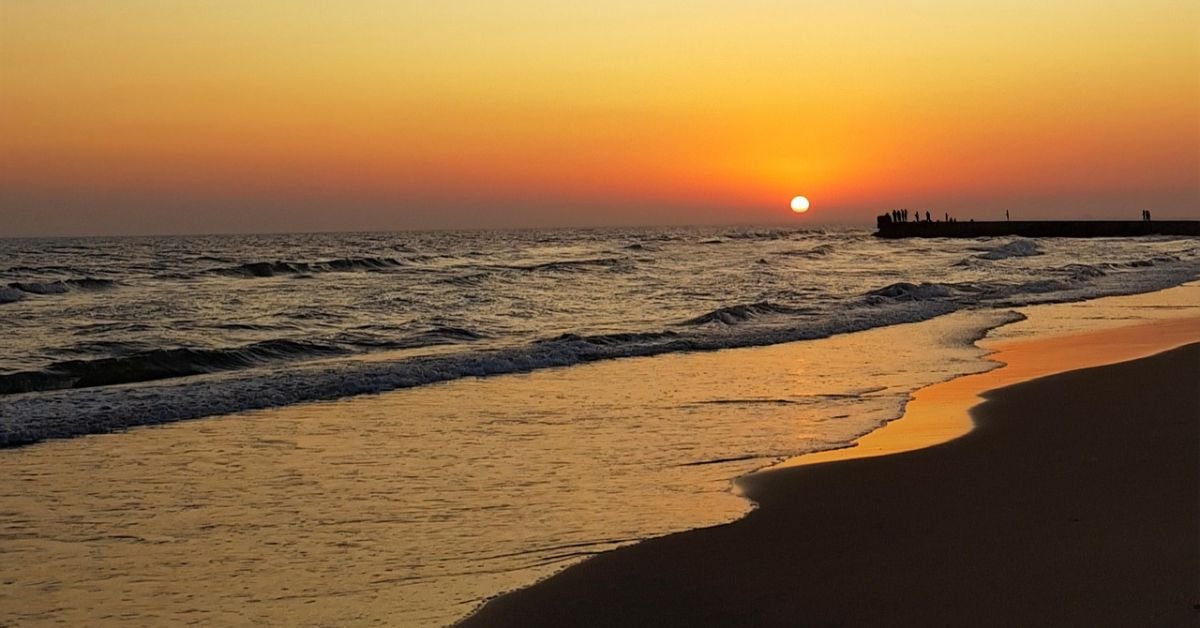
Italy offers some of the Mediterranean’s most breathtaking coastal landscapes. From the rugged cliffs of the Italian Riviera to the powder-white sands of Sardinia, the country’s diverse shoreline caters to every beach lover’s dream. Whether you’re seeking a secluded rocky cove for romantic sunsets, a family-friendly sandy beach with crystal-clear shallow waters, or a picturesque bay framed by colorful fishing villages, Italy’s beautiful beaches promise unforgettable experiences.
This comprehensive guide takes you beyond the Italian Riviera to explore the most stunning beaches across all of Italy’s coastal regions. You’ll discover practical information about accessibility, the best seasons to visit, local amenities, and insider tips to help you choose your perfect Italian beach destination.
What Makes an Italian Beach Beautiful?
Italian beaches captivate visitors with their stunning diversity. The defining features include:
- Crystal-clear Mediterranean waters ranging from emerald green to deep sapphire blue, offering exceptional visibility for swimming and snorkeling
- Varied coastlines including fine white sand, golden beaches, smooth pebbles, and dramatic rocky coves
- Stunning backdrops of limestone cliffs, pine forests, pastel-colored villages, and terraced vineyards that create postcard-perfect scenery
- A unique blend of natural beauty and cultural heritage, with ancient watchtowers, fishing boats, and seaside trattorias enhancing the authentic Italian atmosphere
The Best Beach Regions of Italy: From North to South
The Italian Riviera (Liguria)
The Italian Riviera stretches along Italy’s northwest coast, offering a perfect combination of dramatic cliffs, charming fishing villages, and intimate beaches. The region’s crown jewels include the five villages of Cinque Terre and the glamorous resort town of Portofino.
Baia del Silenzio, Sestri Levante
This crescent-shaped bay lives up to its name—the “Bay of Silence.” Framed by pastel-colored houses and gentle hills, this sandy beach offers calm, shallow waters perfect for families. The peaceful atmosphere makes it ideal for those seeking a tranquil retreat.
Key Features: Fine sand, protected bay with gentle waves, picturesque backdrop of colorful buildings
Getting There & Tips: Easily accessible by train to Sestri Levante station, then a 10-minute walk. Visit in early morning or late afternoon during summer to avoid crowds. Mix of free beach areas and stabilimenti (beach clubs) with sunbed rentals.
Monterosso Beach, Cinque Terre
The largest and most accessible beach in Cinque Terre, Monterosso combines the charm of an ancient fishing village with the convenience of a proper sandy beach. The beach features both sandy and pebbled sections, with the historic tower and colorful houses providing a stunning backdrop.
Key Features: Sandy and pebble mix, family-friendly shallow waters, scenic views, well-developed amenities
Getting There & Tips: Reach via the Cinque Terre train line. The beach is steps from the station. Popular with families due to gentle entry into the water. Book beach club spots in advance during peak season (July-August). Consider visiting in May-June or September for pleasant weather with fewer tourists.
Paraggi Beach, Portofino
Nestled between Portofino and Santa Margherita Ligure, Paraggi is a small, exclusive cove with remarkably clear turquoise water. This sandy beach attracts a sophisticated crowd and offers excellent snorkeling opportunities among the rocks at either end of the bay.
Key Features: Fine sand, exceptionally clear water, protected cove, upscale atmosphere
Getting There & Tips: Accessible by bus from Santa Margherita Ligure or a scenic 25-minute walk from Portofino. Parking is limited and expensive. Mostly private beach clubs; arrive early if seeking free beach space. Best for couples and those seeking a more refined beach experience.
San Fruttuoso
This hidden gem is only accessible by boat or hiking trail, making it one of Liguria’s most secluded beaches. The small pebble beach sits in front of a medieval abbey in a dramatic rocky bay, creating an unforgettable setting for adventurous visitors.
Key Features: Pebble beach, historic abbey, underwater Christ statue for divers, remote location
Getting There & Tips: Take a boat from Camogli, Portofino, or Santa Margherita Ligure, or hike from Portofino (about 2 hours). Limited facilities, so bring water and snacks. The underwater statue of Christ of the Abyss is a major attraction for snorkelers and divers. Best visited on weekdays to avoid crowds.

The Amalfi Coast (Campania)
The legendary Amalfi Coast combines dramatic cliff-side scenery with charming beaches tucked into hidden coves. While more famous for its vertical villages than expansive beaches, the coast offers unique swimming experiences with stunning mountain backdrops.
Fiordo di Furore
This tiny beach sits at the base of a dramatic fjord-like gorge carved between towering cliffs. The small pebble beach, reached by a steep staircase, offers an intimate and spectacular swimming spot where the emerald waters are framed by soaring rock walls.
Key Features: Pebble beach, fjord setting, crystal-clear deep water, dramatic cliff walls
Getting There & Tips: Located between Amalfi and Positano on the SS163 coastal road. Descend about 300 steps from the road. Very small beach—arrive early morning. Not suitable for young children due to deep water and stairs. Popular with cliff divers during the summer Red Bull competition.
Marina di Praia
A charming small beach nestled in a cove between Amalfi and Positano, Marina di Praia maintains an authentic fishing village atmosphere. The mix of sand and pebbles, combined with excellent seafood restaurants right on the beach, makes this a favorite among locals.
Key Features: Sandy and pebble mix, fishing boats, beachfront restaurants, protected cove
Getting There & Tips: Accessible via stairs from the coastal road (easier than Furore). Mix of free and private beach areas. The beachside restaurants are excellent for lunch—try the fresh seafood. Good for families with older children. Can be reached by boat from Positano or Amalfi.
The Islands: Sardinia & Sicily
Italy’s islands are home to some of the Mediterranean’s most spectacular beaches. Sardinia’s Caribbean-like waters and Sicily’s diverse coastline offer beach experiences that rival any tropical destination.
La Pelosa, Sardinia
Often called the “Caribbean of Europe,” La Pelosa features powder-white sand and incredibly shallow, translucent turquoise water. The beach offers stunning views of the Spanish watchtower on Isola Piana and the distant Asinara island.
Key Features: White sand, shallow water perfect for children, turquoise sea, iconic tower views
Getting There & Tips: Located near Stintino in northwest Sardinia. Beach access requires advance booking (€3.50 per person) during summer to control crowds. Bring reef-safe sunscreen as the water is very shallow. Popular for windsurfing when afternoon winds pick up. Best visited early morning for photography.
Cala Goloritzé, Sardinia
This UNESCO-protected cove is one of Sardinia’s most photographed beaches. Accessible only by boat or hiking, the beach features white pebbles, a dramatic limestone pinnacle rising from the sea, and water in every shade of blue imaginable.
Key Features: White pebble beach, iconic rock pinnacle, pristine waters, protected natural arch
Getting There & Tips: Reach via boat tour from Cala Gonone or a challenging 1.5-hour hike from the Golgo plateau. No facilities—bring everything you need. Boats can only drop off/pick up; they don’t stay at the beach. The hike down is steep; wear proper shoes. Absolutely no drones (heavy fines apply in the protected area).
Scala dei Turchi, Sicily
This unique beach is famous for its brilliant white limestone cliff that resembles a giant staircase descending into the sea. The contrast between the pure white rock and the deep blue Mediterranean creates one of Sicily’s most striking landscapes.
Key Features: Unique white cliff formations, sandy beach, stunning contrast of colors, historical interest
Getting There & Tips: Located near Realmonte on Sicily’s southern coast. Park at the designated lot and walk 10 minutes. The beach can be crowded in summer. Climb the white marl cliff early morning or late afternoon when it’s cooler and the light is best for photos. Nearby Agrigento’s Valley of the Temples makes an excellent day trip combination.
Spiaggia dei Conigli, Lampedusa
Rabbit Beach has been voted one of the world’s best beaches multiple times. Located on the remote island of Lampedusa, closer to Africa than mainland Italy, this protected beach offers pristine white sand and crystalline waters where loggerhead turtles nest.
Key Features: Pure white sand, turquoise water, turtle nesting site, protected nature reserve
Getting There & Tips: Fly to Lampedusa island from Sicily or mainland Italy. The beach is a 20-minute walk from the parking area. Daily visitor numbers are limited to protect the environment. No facilities on the beach itself. Best visited June-September, but July-August can be very crowded. Snorkeling is excellent along the rocky edges.
Puglia: The Heel of Italy’s Boot
Puglia’s extensive coastline offers both the Adriatic and Ionian seas, creating diverse beach experiences from dramatic cliffside grottos to long sandy stretches backed by ancient olive groves.
Polignano a Mare
This historic town sits atop dramatic limestone cliffs with small beaches tucked into rocky coves below. The town beach, Lama Monachile, is framed by a natural arch and ancient buildings perched precariously on the cliff edges above.
Key Features: Pebble and rock beach, dramatic cliff backdrop, natural arch, crystal-clear water
Getting There & Tips: Easy train connection from Bari (about 35 minutes). The main beach is very small and crowded in summer. Explore nearby hidden caves and grottos by renting a kayak. Many visitors prefer the beach platforms and swimming spots along the rocky coast south of town. Sunset viewing from the town’s clifftop terraces is spectacular.
How to Choose Your Perfect Italian Beach: A Practical Guide
Sand vs. Pebbles: What to Expect Underfoot
Sandy beaches are ideal for families with young children, sunbathing, and beach games. They’re more common in Sardinia, Sicily, parts of Puglia, and select spots on the Italian Riviera like Monterosso. Sandy beaches often have gentler entries into the water.
Pebble and rocky beaches dominate much of the Italian Riviera and the Amalfi Coast. While less comfortable for lounging without a mat, these beaches typically offer clearer water and better snorkeling. Bring water shoes for comfort when entering the water.
Family-Friendly vs. Secluded Romantic Coves
Best for families: Monterosso (Cinque Terre), La Pelosa (Sardinia), and Baia del Silenzio (Sestri Levante) offer shallow waters, sandy beaches, and good facilities including beach clubs with umbrellas, restaurants, and bathrooms.
Best for couples: San Fruttuoso, Cala Goloritzé, and Fiordo di Furore provide dramatic scenery, peaceful atmospheres, and a sense of adventure. These often require boat trips or hikes, naturally limiting crowds.
Accessibility: Easy Reach vs. Adventure Hikes
Easily accessible: Monterosso, Baia del Silenzio, Scala dei Turchi, and Polignano a Mare are reachable with minimal walking from parking or train stations. Perfect for those with limited mobility or heavy beach gear.
Requires effort: San Fruttuoso, Cala Goloritzé, and Spiaggia dei Conigli require boat trips or hikes. The extra effort rewards you with fewer crowds and pristine natural settings. Always check weather and sea conditions before planning boat-dependent trips.
Planning Your Visit: Essential Tips
When to Go: Seasons & Crowds
Peak season (July-August): Warmest weather and guaranteed sunshine, but expect significant crowds and higher prices. Beaches like La Pelosa and popular Cinque Terre spots require advance booking. Water temperature is ideal (24-26°C/75-79°F).
Shoulder season (May-June, September): The sweet spot for most visitors. Warm enough for swimming (water 19-23°C/66-73°F), with pleasant weather and manageable crowds. Prices are lower, and you’ll have more space on the beach. Early June and September are particularly ideal.
Off-season (October-April): Many beach clubs and coastal restaurants close. Water is too cold for most swimmers, but the dramatic scenery and empty beaches appeal to photographers and peaceful strollers. Some beaches like those in Sicily may be swimmable into October.

Getting Around: Boats, Trains & Cars
Trains: Excellent for the Italian Riviera (Cinque Terre line) and reaching coastal towns in Puglia. The Circumvesuviana connects Naples to Amalfi Coast towns, though it’s often crowded.
Cars: Essential for exploring Sardinia and Sicily. The Amalfi Coast drive is spectacular but challenging with narrow roads and limited parking. Book accommodation with parking in advance.
Boats: Some beaches are boat-only access (San Fruttuoso, often Cala Goloritzé). Boat tours offer the best way to explore multiple beaches in Cinque Terre or along the Amalfi Coast in a single day.
Beach Essentials in Italy: To Rent or Bring?
Italian beaches mix free public access areas (spiaggia libera) with private beach clubs (stabilimenti balneari).
Beach clubs charge €15-40 per day for umbrella and two sunbeds, with facilities including showers, changing rooms, bars, and restaurants. They’re worth it for comfort and convenience, especially with children.
Free beaches are perfect for budget travelers. Bring your own umbrella or tent (allowed on most beaches), beach mat, and plenty of water. Free beaches fill up quickly in summer, so arrive early to claim your spot.
What to pack: Water shoes for rocky beaches, reef-safe sunscreen, beach towels, hat, and a dry bag for boat trips. Snorkeling gear is worth bringing if you have it, as rental quality varies.
Frequently Asked Questions About Italian Beaches
What is the most beautiful beach in Italy?
Beauty is subjective, but consistent favorites include Cala Goloritzé (Sardinia) for its dramatic limestone pinnacle and turquoise waters, Spiaggia dei Conigli (Lampedusa) for its Caribbean-like purity, and the Amalfi Coast’s hidden coves for their spectacular cliff backdrops. Each region offers something unique—Sardinia for pristine nature, the Riviera for charm, and Sicily for diversity.
Are Italian beaches free to access?
Most Italian beaches have both free public sections (spiaggia libera) and private beach clubs (stabilimenti balneari). By law, all beaches must maintain free access to the water, though the free portions are often smaller and less equipped than the paid areas. Free beaches don’t provide sunbeds or umbrellas, so bring your own.
Which region has the best beaches for families?
Sardinia tops the list for family beaches thanks to its shallow waters, soft white sand, and well-developed facilities. Beaches like La Pelosa offer gradual entries perfect for young children. The Italian Riviera’s Monterosso and Baia del Silenzio also excel for families, with sandy beaches, calm waters, and easy access to amenities and restaurants.
What is the best way to explore the beaches of Cinque Terre?
The ideal Cinque Terre beach exploration combines trains, hiking, and boats. Use the regional train to move between villages quickly, hike the coastal trails for spectacular views, and take a boat tour to see the beaches from the sea and access secluded coves like San Fruttuoso. Buy a Cinque Terre Card for unlimited train travel and trail access.
Can you recommend beautiful beaches less crowded than the Amalfi Coast?
For dramatic coastal scenery with fewer tourists, explore Basilicata’s Maratea coastline, which offers similar cliff-backed beaches without the Amalfi’s crowds. Calabria’s Tropea provides stunning beaches with turquoise water and a charming historic town. Puglia’s Gargano Peninsula features hidden grottos and beautiful beaches with a more authentic, less touristy atmosphere than the Amalfi Coast.
Conclusion
Italy’s beautiful beaches offer extraordinary diversity, from the refined elegance of the Italian Riviera to the wild beauty of Sardinia’s protected coves and the dramatic cliffside beaches of the Amalfi Coast. Whether you’re traveling with family, seeking romantic seclusion, or chasing the perfect Instagram shot, Italy’s coastline delivers unforgettable Mediterranean experiences.
The key to choosing your ideal beach lies in understanding what matters most to you: easy accessibility or adventurous remoteness, soft sand or dramatic rocks, established facilities or pristine nature. By considering the practical information in this guide—from seasonal timing to beach type—you can confidently plan your perfect Italian coastal getaway.
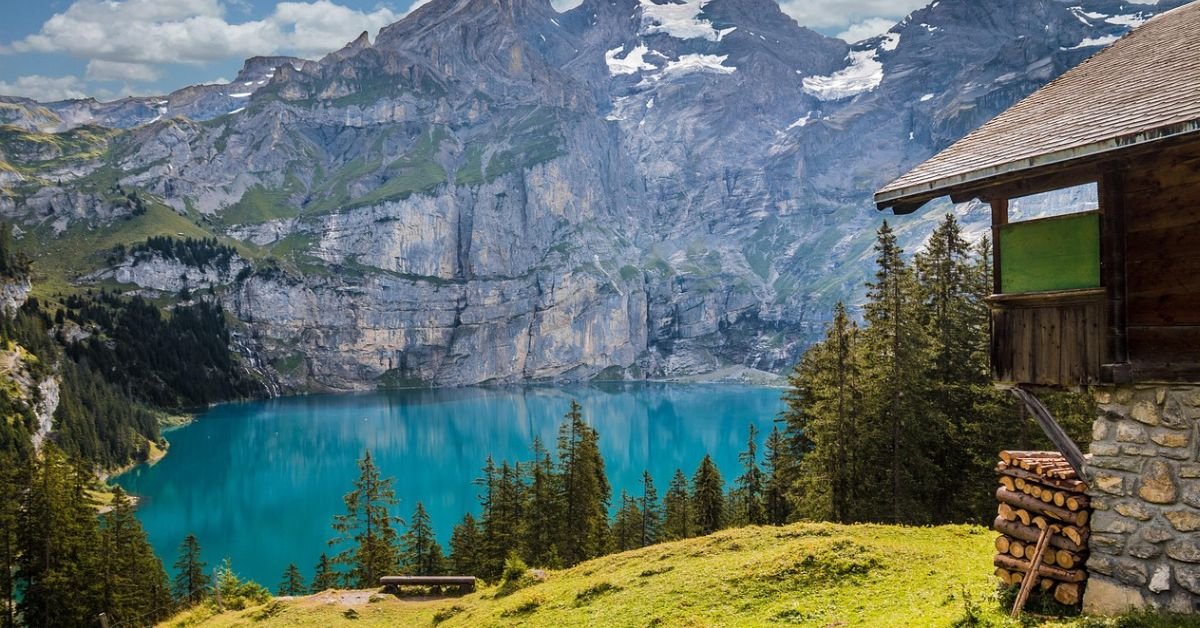
Spanning 68,800 square kilometers across three East African nations, Lake Nalubaale stands as the world’s largest tropical lake and the second-largest freshwater lake on Earth. Known globally as Lake Victoria, this magnificent body of water holds a deeper identity—one rooted in the cultural heritage of the Baganda people who have lived along its shores for centuries. As the primary source of the White Nile and home to over 30 million people in its basin, Lake Nalubaale represents a vital intersection of ecology, economy, and culture in East Africa.
Whether you’re planning a visit to the tropical paradise of the Ssese Islands, seeking to understand the lake’s critical environmental challenges, or simply curious about this African jewel, this article provides the definitive resource on Lake Nalubaale’s history, ecology, and cultural importance.
Key Takeaways:
- Lake Nalubaale (Lake Victoria) is the world’s largest tropical lake at 68,800 km²
- The name ‘Nalubaale’ holds deep cultural significance in Luganda tradition
- Shared by Uganda, Tanzania, and Kenya, supporting over 30 million people
- Home to Africa’s largest freshwater fishery and unique biodiversity
- Offers world-class tourism from the Ssese Islands to Ngamba Chimpanzee Sanctuary
Understanding Lake Nalubaale: Key Facts and Figures
To appreciate the magnitude of Lake Nalubaale, one must first understand its remarkable physical characteristics. This African Great Lake forms the centerpiece of an ecosystem that influences climate, supports livelihoods, and shapes the identity of three nations.
By the Numbers: Geography and Hydrology
Lake Nalubaale’s statistics are impressive by any measure. The lake’s surface area of 68,800 square kilometers makes it larger than many countries, while its average depth of 40 meters (with a maximum depth of 84 meters) creates a vast volume of freshwater. The shoreline stretches for 3,440 kilometers, providing coastal access across Uganda, Tanzania, and Kenya.
| Measurement | Value |
| Surface Area | 68,800 km² |
| Average Depth | 40 meters (131 feet) |
| Maximum Depth | 84 meters (276 feet) |
| Shoreline Length | 3,440 km |
| Primary Inflow | Kagera River |
| Primary Outflow | White Nile (Victoria Nile) |
| Elevation | 1,134 meters above sea level |
The Kagera River serves as the lake’s primary inflow, while the Victoria Nile (White Nile) drains from the northern shore at Jinja, Uganda, beginning its epic 6,650-kilometer journey to the Mediterranean Sea. This hydrological connection makes Lake Nalubaale the ultimate source of the Nile River system, one of humanity’s most historically significant waterways.
The Three Shorelines: Uganda, Tanzania, and Kenya
Lake Nalubaale’s waters are shared among three nations, each claiming a distinct portion of the shoreline and contributing to the lake’s diverse cultural landscape. Uganda holds approximately 45% of the lake’s surface area, primarily along the northern and western shores. This includes the capital city of Entebbe, the vibrant town of Jinja where the Nile begins, and the enchanting Ssese Islands archipelago.
Tanzania claims the largest share at approximately 49% of the lake’s area, dominating the southern portion. The bustling port city of Mwanza serves as Tanzania’s gateway to the lake, supporting both fishing and ferry transport across the region. Kenya controls about 6% of the lake along its northeastern shore, with Kisumu serving as the principal Kenyan city and an important commercial hub.
This tri-national ownership has necessitated cooperative governance structures, most notably the Lake Victoria Basin Commission (LVBC), which coordinates environmental management and sustainable development initiatives across borders. The lake’s shared nature underscores both the opportunities for regional collaboration and the challenges of coordinating conservation efforts across different political systems.
The Name and Its History: From Nalubaale to Victoria
Understanding Lake Nalubaale requires acknowledging its dual identity—a tension between indigenous heritage and colonial legacy that continues to shape how the lake is perceived and discussed today.
The Meaning of ‘Nalubaale’ in Luganda Culture
Long before European explorers arrived on its shores, the Baganda people knew this vast body of water as ‘Nalubaale,’ a name derived from the Luganda word ‘lubaale,’ meaning ‘spirits’ or ‘gods.’ In Baganda cosmology, the lake held profound spiritual significance as a dwelling place of ancestral spirits and deities. This sacred connection went beyond mere geography—the lake was viewed as a living entity, deserving of reverence and respect.
The Baganda kingdom, one of East Africa’s most sophisticated pre-colonial societies, built its capital near the lake’s shores and integrated the lake into its cultural and economic life. Fishing communities developed specialized knowledge of the lake’s moods, seasonal patterns, and fish populations. The name ‘Nalubaale’ reflected this intimate relationship—it was not simply a geographical feature but a spiritual presence that shaped daily life, rituals, and the kingdom’s identity.
Today, the revival of the name ‘Nalubaale’ represents more than linguistic preference—it’s a reclamation of indigenous identity and a rejection of colonial naming practices. Many Ugandans, particularly those from the Buganda region, use both names interchangeably, with ‘Nalubaale’ carrying additional cultural weight and pride.

The European Exploration: Speke, Burton, and Queen Victoria
In 1858, British explorer John Hanning Speke became the first European to reach the lake’s shores during his expedition with Richard Burton to locate the source of the Nile River. The pair had been sent by the Royal Geographical Society, driven by the centuries-old mystery that had captivated European minds since ancient times. When Speke gazed upon the immense lake, he was convinced he had found the Nile’s origin.
Without consulting local inhabitants about the lake’s existing name, Speke christened it ‘Lake Victoria’ in honor of Queen Victoria, then the reigning monarch of the British Empire. This act of colonial naming effectively erased the indigenous identity of Nalubaale from European maps and consciousness. Burton, recovering from illness when Speke made his discovery, later disputed whether this was truly the Nile’s source, sparking a famous geographical controversy.
Henry Morton Stanley’s later circumnavigation of the lake in the 1870s confirmed its connection to the Nile and solidified ‘Lake Victoria’ as the name in European cartography. The colonial naming stuck, spreading through maps, scientific literature, and eventually becoming the internationally recognized designation—a pattern repeated across Africa during the Scramble for Africa.
Ancient Knowledge: Arab Traders and the Al-Idrisi Map
European claims to ‘discovering’ Lake Nalubaale overlook a crucial historical fact: the lake was well-known to Arab traders and geographers centuries before Speke’s arrival. The renowned 12th-century Arab geographer Muhammad al-Idrisi created maps showing large inland lakes in East Africa, likely based on reports from Arab traders who had established commercial networks along the Swahili coast and ventured inland in search of ivory, gold, and slaves.
These pre-colonial trade networks connected the lake region to the Indian Ocean world, creating economic and cultural exchanges long before European contact. Arab merchants understood the lake’s significance as both a source of valuable goods and a geographical landmark. This historical context challenges the Eurocentric narrative of ‘discovery’ and reminds us that Lake Nalubaale was integral to sophisticated trading systems and knowledge networks that predated colonialism by centuries.
A Living Ecosystem: Wildlife, Fisheries, and Threats
Lake Nalubaale supports one of Africa’s most dynamic and economically vital ecosystems. From its unique cichlid fish species to the millions of people who depend on its resources, the lake represents a delicate balance between biodiversity, human livelihood, and environmental sustainability.
Biodiversity Spotlight: From Cichlids to Nile Perch
Lake Nalubaale once harbored over 500 species of haplochromis cichlids, an extraordinary example of adaptive radiation where a single ancestral fish species evolved into hundreds of specialized forms. These colorful fish occupied every ecological niche imaginable—some feeding on algae, others on insects, mollusks, or even the scales of other fish. This diversity made the lake a natural laboratory for evolutionary biologists studying how new species emerge.
Tragically, the introduction of Nile perch in the 1950s and 1960s—intended to boost commercial fishing—triggered one of the most catastrophic extinction events in modern history. The predatory Nile perch, which can grow up to 2 meters long and weigh 200 kilograms, decimated the native cichlid populations. Scientists estimate that 200 or more cichlid species went extinct within a few decades, representing a profound loss of biodiversity.
Today, Nile perch and Nile tilapia dominate the lake’s fish populations, supporting a massive commercial fishing industry. Other notable wildlife includes hippopotamuses and Nile crocodiles along the shoreline, numerous bird species that attract birdwatchers, and diverse aquatic invertebrates. However, the lake’s ecosystem remains under stress from multiple environmental pressures.
The Beating Heart of the Region: Economy and Livelihoods
Lake Nalubaale hosts Africa’s largest freshwater fishery, producing over 1 million tons of fish annually and directly supporting the livelihoods of more than 200,000 fishermen. The lake’s fishing industry generates hundreds of millions of dollars each year, with Nile perch fillets exported to Europe, Asia, and the Middle East. Processing plants along the shores employ thousands more workers, making fishing a cornerstone of the regional economy.
Beyond fishing, the lake provides essential services to over 30 million people living in its basin. It supplies drinking water to major cities, supports irrigated agriculture for crops like tea and coffee, enables hydropower generation at facilities such as the Owen Falls Dam near Jinja, and serves as a crucial transport route connecting lakeside communities. Ferry services link Uganda, Tanzania, and Kenya, facilitating trade and passenger movement across borders.
The lake’s economic importance cannot be overstated—it represents both opportunity and vulnerability. Any degradation of water quality or fish stocks directly threatens the food security and economic stability of millions of people across three countries. This reality makes sustainable management not just an environmental imperative but a socioeconomic necessity.
Conservation in Action: Addressing Invasive Species and Pollution
Lake Nalubaale faces significant environmental challenges that require coordinated international action. Water hyacinth, an invasive aquatic plant native to South America, periodically chokes vast areas of the lake, blocking sunlight, depleting oxygen, impeding navigation, and destroying fishing grounds. Though mechanical removal and biological control efforts have achieved some success, the plant continues to reappear, particularly near urban areas where nutrient pollution provides ideal growing conditions.
Pollution represents perhaps the lake’s most persistent threat. Agricultural runoff carrying fertilizers and pesticides, industrial effluents from factories, and untreated sewage from rapidly growing cities all contribute to declining water quality. Deforestation in the surrounding catchment area increases soil erosion, sending sediment into the lake and degrading wetlands that naturally filter pollutants. These pressures lead to eutrophication—excessive nutrient levels that trigger harmful algal blooms and create oxygen-depleted dead zones.
Overfishing compounds these ecological stresses. Illegal fishing methods, including the use of undersized nets and destructive practices, threaten fish stock sustainability. Climate change adds another layer of complexity, altering rainfall patterns and water levels in ways that could fundamentally reshape the lake’s ecology.
Conservation efforts are underway through initiatives like the Lake Victoria Environmental Management Project (LVEMP), which brings together the governments of Uganda, Tanzania, and Kenya with international partners. These programs focus on wetland restoration, pollution reduction, sustainable fishing practices, and community education. The Lake Victoria Basin Commission coordinates regional policies and promotes cross-border cooperation on environmental management. While progress has been made, the scale of the challenges demands sustained commitment and funding.
Experiencing Lake Nalubaale: A Traveler’s Guide
For travelers, Lake Nalubaale offers an enticing combination of tropical relaxation, wildlife encounters, and cultural immersion. From palm-fringed beaches to chimpanzee sanctuaries, the lake presents diverse experiences that complement Uganda’s famous mountain gorilla trekking and safari destinations.
The Tropical Paradise of the Ssese Islands
The Ssese Islands archipelago, comprising 84 islands scattered across the northwestern corner of Lake Nalubaale, represents Uganda’s answer to a tropical beach getaway. These lush, forested islands feature white sandy beaches, clear waters, and a laid-back atmosphere that contrasts sharply with mainland Uganda’s landlocked interior. The largest and most developed island, Bugala, offers a range of accommodations from budget-friendly guesthouses to upscale eco-lodges.
Activities on the Ssese Islands cater to both relaxation and adventure. Visitors can swim in designated safe areas, sunbathe on pristine beaches, explore the islands by mountain bike or on foot, fish for Nile perch and tilapia, or simply unwind with a book while watching spectacular sunsets over the water. Birdwatchers will find abundant species, including African fish eagles, kingfishers, and various waterbirds. The islands also offer cultural encounters with local fishing communities, providing insight into traditional lake life.
Access to the Ssese Islands is straightforward from Entebbe or Kampala via ferry services or speedboat. The ferry from Entebbe takes approximately 3-4 hours to reach Bugala Island, while private speedboats offer faster but pricier transfers. Many visitors combine a few days on the islands with gorilla trekking in Bwindi Impenetrable National Park or wildlife safaris in Queen Elizabeth National Park, creating a well-rounded Uganda itinerary.
Ngamba Island: A Sanctuary for Orphaned Chimpanzees
Just 23 kilometers from Entebbe lies Ngamba Island, home to the Ngamba Island Chimpanzee Sanctuary, one of East Africa’s most successful wildlife conservation projects. Established in 1998, the sanctuary provides a safe haven for over 50 orphaned and rescued chimpanzees that cannot be returned to the wild due to habituation to humans or injuries sustained during illegal wildlife trafficking.
Visitors to Ngamba Island can observe the chimpanzees during feeding times from a viewing platform that offers intimate yet safe encounters with these intelligent primates. The sanctuary also offers immersive caregiver experiences for those wanting deeper involvement, where participants assist staff with food preparation and gain behind-the-scenes access to the sanctuary’s operations. Overnight stays in eco-friendly tented camps allow visitors to hear the chimpanzees’ dawn chorus and fully appreciate the island’s conservation mission.
Beyond tourism, Ngamba Island plays a crucial role in chimpanzee conservation through education programs, veterinary care, and advocacy against illegal wildlife trade. Visitor fees directly support the sanctuary’s operations, making a trip to Ngamba Island both an unforgettable experience and a contribution to wildlife protection. The island is easily reached via daily speedboat transfers from Entebbe, typically taking 45 minutes.
On the Water: Boat Cruises, Sport Fishing, and Ferries
Lake Nalubaale’s vast expanse invites exploration by boat. Sunset cruises from Entebbe offer a relaxing way to experience the lake’s beauty, with operators providing drinks, snacks, and often live music as the sun dips below the horizon. These cruises typically last 2-3 hours and provide excellent opportunities for photography and wildlife viewing, including hippos, crocodiles, and numerous bird species.
Sport fishing enthusiasts are drawn to the challenge of catching Nile perch, a formidable fighting fish that can exceed 100 kilograms. Specialized fishing lodges and tour operators offer guided fishing trips with equipment, boats, and expert knowledge of the lake’s best fishing spots. While catch-and-release is encouraged for conservation, the thrill of battling these powerful fish attracts anglers from around the world. Nile tilapia also provide excellent fishing opportunities for those seeking smaller, more plentiful catches.
For travelers moving between countries, ferry services connect major ports across the lake. The MV Victoria and other ferries link Mwanza in Tanzania with Port Bell near Kampala, Uganda, and Kisumu in Kenya, offering an adventurous alternative to flying or driving. These ferries carry both passengers and vehicles, making them practical for overland travelers exploring multiple East African countries. Journey times vary but expect overnight trips for longer routes.

Gateway Cities: Entebbe, Mwanza, and Kisumu
Entebbe, Uganda’s former capital, serves as the primary gateway for international visitors arriving via Entebbe International Airport. This charming lakeside town offers botanical gardens, the Uganda Wildlife Education Centre (a zoo and conservation center), and a pleasant atmosphere for acclimatizing before heading to more remote destinations. Entebbe’s proximity to the lake makes it ideal for day trips to Ngamba Island or boat cruises, and its selection of hotels and restaurants caters to all budgets.
Mwanza, Tanzania’s second-largest city, sits on the lake’s southern shore and serves as a major commercial and fishing hub. Known for its distinctive rock formations and vibrant markets, Mwanza offers a more authentically African experience than tourist-focused Entebbe. Visitors can explore Bismarck Rock, enjoy fresh fish at lakeside restaurants, or use the city as a base for visiting Saanane Island National Park, Tanzania’s smallest national park located just offshore.
Kisumu, Kenya’s third-largest city, anchors the lake’s northeastern corner and showcases Luo culture and history. The Kisumu Impala Sanctuary, lakeside markets selling fresh fish, and the Kisumu Museum provide insights into the region’s heritage. Kisumu serves as a logical stop for travelers moving between Kenya’s safari circuit and destinations around Lake Nalubaale, offering good infrastructure and transport connections.
Planning Your Visit: Practical Safari Information
Proper planning ensures a safe, enjoyable, and meaningful visit to Lake Nalubaale. Understanding when to go, how to combine lake experiences with other attractions, and what health precautions to take will maximize your trip’s success.
How to Get There and Best Time to Visit
Most international visitors arrive at Entebbe International Airport in Uganda, which offers the most convenient access to the lake’s northern shore and the Ssese Islands. From Entebbe, transfers to lakeside destinations take anywhere from 30 minutes to several hours depending on your final destination. Visitors to Tanzania can fly into Mwanza Airport or arrive overland from Dar es Salaam or Arusha. Kenya’s Kisumu International Airport serves the lake’s northeastern region.
Lake Nalubaale can be visited year-round, but the best time largely depends on your priorities. The dry seasons—December to February and June to August—offer the most reliable weather for beach activities, boat trips, and outdoor exploration. However, these periods also coincide with peak tourist season, meaning higher prices and more crowded attractions. The wet seasons (March to May and September to November) bring afternoon rains but also lush landscapes, fewer tourists, and better rates on accommodations.
Water levels fluctuate seasonally and can impact ferry schedules and beach access. The lake’s equatorial location means temperatures remain relatively stable year-round, typically ranging from 20°C to 28°C (68°F to 82°F), making it comfortable for visitors in any season. For photography enthusiasts, the wet season’s dramatic skies and vibrant vegetation offer compelling subjects, despite occasional rain disruptions.
Combining with a Gorilla Trek or Wildlife Safari
Lake Nalubaale pairs perfectly with Uganda’s world-famous mountain gorilla trekking in Bwindi Impenetrable National Park or Mgahinga Gorilla National Park. A typical itinerary might include 3-4 days for gorilla trekking followed by 2-3 days relaxing on the Ssese Islands or visiting Ngamba Island. This combination offers the ultimate contrast—intense jungle hiking and intimate primate encounters balanced with tropical beach relaxation.
The lake also integrates well with classic safari destinations. Queen Elizabeth National Park lies just a few hours from the lake’s western shore, offering tree-climbing lions, elephants, and boat safaris along the Kazinga Channel. Murchison Falls National Park to the northwest provides another excellent safari option with its dramatic waterfall where the Nile crashes through a narrow gorge. Tanzania’s Serengeti National Park and Ngorongoro Crater are accessible from Mwanza, allowing travelers to combine lake experiences with Tanzania’s Northern Circuit safari highlights.
For those with limited time, even a day trip from Entebbe to Ngamba Island or a sunset cruise on the lake can provide a refreshing break between flights or before embarking on a longer safari. Most Uganda safari operators can seamlessly incorporate Lake Nalubaale into multi-day itineraries, handling logistics, permits, and transfers to create a comprehensive East African adventure.
Health, Safety, and Responsible Travel Tips
Lake Nalubaale lies in a malaria-endemic region, making anti-malarial medication essential for all visitors. Consult a travel medicine specialist several weeks before departure to obtain appropriate prophylaxis and ensure your routine vaccinations are current. Yellow fever vaccination is mandatory for entry into Uganda and Kenya, so carry your vaccination certificate. Insect repellent, long sleeves during dawn and dusk, and mosquito nets (usually provided by accommodations) further reduce malaria risk.
Bilharzia (schistosomiasis), a parasitic infection transmitted through freshwater snails, is present in Lake Nalubaale. Avoid swimming in unmarked areas or in shallow, weedy sections where snails thrive. Reputable lodges and tour operators identify safer swimming spots and often treat swimming areas to reduce risk. If you do swim, towel off vigorously afterward and seek medical screening if you develop symptoms within weeks of exposure. Drinking water should always be bottled or purified—never drink directly from the lake or tap water unless confirmed safe.
Maritime safety deserves attention when taking boat trips. Ensure your vessel has adequate life jackets for all passengers, avoid overloaded boats, and choose operators with good safety reputations. Weather on the lake can change quickly, so heed advice from experienced boat operators about conditions. For ferry travel between countries, arrive early, keep valuables secure, and expect delays as schedules can be unpredictable.
Responsible travel practices protect Lake Nalubaale’s environment and support local communities. Choose eco-certified lodges that minimize environmental impact, avoid single-use plastics, respect wildlife by maintaining safe distances, and purchase souvenirs from local artisans to ensure your tourism dollars benefit communities directly. When visiting fishing villages or interacting with local people, ask permission before photographing and respect cultural norms. Supporting conservation initiatives like Ngamba Island or choosing tour operators involved in sustainability programs helps ensure Lake Nalubaale remains a vibrant ecosystem for future generations.
Frequently Asked Questions
What does ‘Nalubaale’ mean?
‘Nalubaale’ comes from the Luganda word ‘lubaale,’ meaning ‘spirits’ or ‘gods.’ For the Baganda people, the lake held profound spiritual significance as a dwelling place of ancestral spirits. The name reflects the deep cultural and religious connection between the Baganda kingdom and the lake that sustained their civilization for centuries.
Is it safe to swim in Lake Nalubaale?
Swimming in Lake Nalubaale carries some health risks, primarily from bilharzia (schistosomiasis), a parasitic infection found in many parts of the lake. Reputable lodges and tour operators identify safer swimming areas and sometimes treat designated zones to reduce risk. Avoid swimming in shallow, weedy areas, near fishing villages, or in unmarked locations. Always follow local advice and consider the risks before entering the water. Many visitors swim without incident when using designated areas, but some choose to avoid lake swimming entirely.
What is the best island to visit on the lake?
Bugala Island in the Ssese archipelago offers the best infrastructure for tourists, with a range of accommodations, beaches, and activities. For wildlife enthusiasts, Ngamba Island’s chimpanzee sanctuary provides an unforgettable conservation-focused experience. Adventurous travelers might explore smaller, less-developed Ssese Islands for a more off-the-beaten-path experience, though facilities are limited. The best choice depends on whether you prioritize comfort, wildlife encounters, or seclusion.
How does visiting Lake Nalubaale support conservation?
Tourism provides critical funding for conservation initiatives around the lake. Entrance fees to Ngamba Island directly support chimpanzee rescue and rehabilitation. Eco-lodges often participate in reforestation, wetland restoration, and community education programs. By choosing responsible tour operators and accommodations committed to sustainability, visitors help create economic incentives for protecting the lake’s environment. Tourism also raises awareness about the lake’s ecological challenges, encouraging advocacy for better environmental policies.
Can I visit the source of the Nile?
Yes! The town of Jinja, located about 80 kilometers east of Kampala on the northern shore of Lake Nalubaale, marks where the Victoria Nile (White Nile) exits the lake. The ‘Source of the Nile’ is a popular tourist site accessible via boat trips or riverside viewpoints. While the Kagera River feeding into the lake is technically the Nile’s most distant source, Jinja represents the point where the Nile begins its journey from Lake Nalubaale toward the Mediterranean Sea, making it a historically and geographically significant destination.
What are the main environmental issues facing the lake?
Lake Nalubaale faces multiple interconnected environmental challenges. Pollution from agricultural runoff, industrial discharge, and untreated sewage degrades water quality and fuels harmful algal blooms. Invasive species like water hyacinth periodically choke large areas, disrupting navigation and fishing. Overfishing threatens fish stock sustainability, while deforestation in surrounding watersheds increases erosion and wetland degradation. Climate change compounds these issues by altering rainfall patterns and water levels. Addressing these challenges requires coordinated action across Uganda, Tanzania, and Kenya, as well as sustained international support for conservation programs.
Lake Nalubaale stands as one of Africa’s most extraordinary natural treasures—a vast freshwater ecosystem supporting millions of people, harboring unique biodiversity, and connecting three nations through shared waters. Whether you know it by its indigenous name ‘Nalubaale’ or its colonial designation ‘Lake Victoria,’ this magnificent lake offers travelers profound experiences ranging from tropical island relaxation to wildlife conservation encounters.
Understanding the lake’s dual identity, from its spiritual significance to the Baganda people to its role in European exploration narratives, provides essential context for appreciating its cultural complexity. Recognizing both its ecological wonders and the serious environmental threats it faces helps visitors travel more responsibly and support conservation efforts that will determine the lake’s future.
As you plan your visit to Lake Nalubaale, remember that every tourist dollar spent thoughtfully can contribute to protecting this irreplaceable ecosystem. From watching rescued chimpanzees on Ngamba Island to relaxing on the white beaches of the Ssese Islands, your journey to Lake Nalubaale promises not just memorable experiences but also meaningful connections to the heart of East Africa.
-

 TECH8 months ago
Apple iPhone 17: Official 2025 Release Date Revealed
-

 BLOG8 months ago
Understanding the ∴ Symbol in Math
-

 ENTERTAINMENT6 months ago
What Is SUV? A Family-Friendly Vehicle Explained
-

 EDUCATION2 weeks ago
Horizontal Translation: How to Shift Graphs
-

 EDUCATION9 months ago
Using the Quadratic Formula
-

 ENTERTAINMENT8 months ago
Going Live: How to Stream on TikTok from Your PC
-

 EDUCATION8 months ago
The Meaning of an Open Circle in Math Explained
-

 TECH8 months ago
Prodigy: Early Internet Pioneer