
BLOG
Dropshipping Can Boost Speed, Quality, and Customer Satisfaction


Running an online store comes with many challenges: sourcing products, managing inventory, handling shipping, and keeping customers happy. For many e-commerce retailers, dropshipping has become an attractive solution. It allows retailers to sell a wide variety of products without the overhead of stocking inventory.
While dropshipping can be done globally, working with American dropshippers offers distinct advantages for businesses targeting the American market. Platforms like TopDawg provide an easy way to connect with reliable suppliers and streamline your operations.
Benefits of U.S. Dropshipping Suppliers
1. Faster shipping and happier customers
Shipping from within the U.S. drastically reduces delivery times compared to international suppliers. This means customers receive orders faster, which leads to better reviews, repeat business, and higher overall satisfaction.
2. Easier returns and customer service
When something goes wrong, handling returns or exchanges from a domestic supplier is simpler and faster. This reduces stress for both the retailer and the customer.
3. Better quality control
U.S.-based suppliers often adhere to stricter manufacturing and safety standards. This ensures products are reliable, reducing the likelihood of complaints or returns due to defects.
4. Seamless e-commerce integration
Platforms like TopDawg are built to integrate directly with popular e-commerce tools like Shopify, WooCommerce, and BigCommerce. Orders are automatically synced, inventory is updated in real-time, and you can manage your store efficiently without manual tracking.
5. Variety and scalability
U.S. dropshipping platforms offer a wide range of products, from niche gadgets to home goods and apparel. Retailers can test new products without committing to large quantities, scaling their business as demand grows.
How Retailers Can Get Started
- Choose the right dropshipping platform – Look for platforms that offer fast shipping, reliable suppliers, and good customer support. TopDawg, for example, specializes in connecting retailers with U.S. suppliers across multiple categories.
- Select products carefully – Focus on products with high demand, good margins, and consistent quality.
- Integrate your e-commerce store – Syncing your platform ensures inventory levels and order data are updated automatically.
- Promote smartly – Use social media, email marketing, and paid ads to reach your audience and highlight your faster shipping advantage.
Why TopDawg Stands Out
TopDawg is a leading U.S.-based dropshipping platform that caters to retailers looking for reliable suppliers. By focusing on domestic fulfillment, it helps online stores reduce shipping times, improve product quality, and maintain smooth operations. For retailers who want to expand their product offerings while avoiding inventory headaches, TopDawg provides a streamlined and dependable solution.
Conclusion
Dropshipping from U.S. suppliers is a smart strategy for online retailers who value speed, reliability, and customer satisfaction. Platforms like TopDawg make it easier than ever to connect with trusted suppliers, manage orders efficiently, and grow your business. By leveraging domestic dropshipping, retailers can offer a superior shopping experience while scaling their operations with minimal risk.
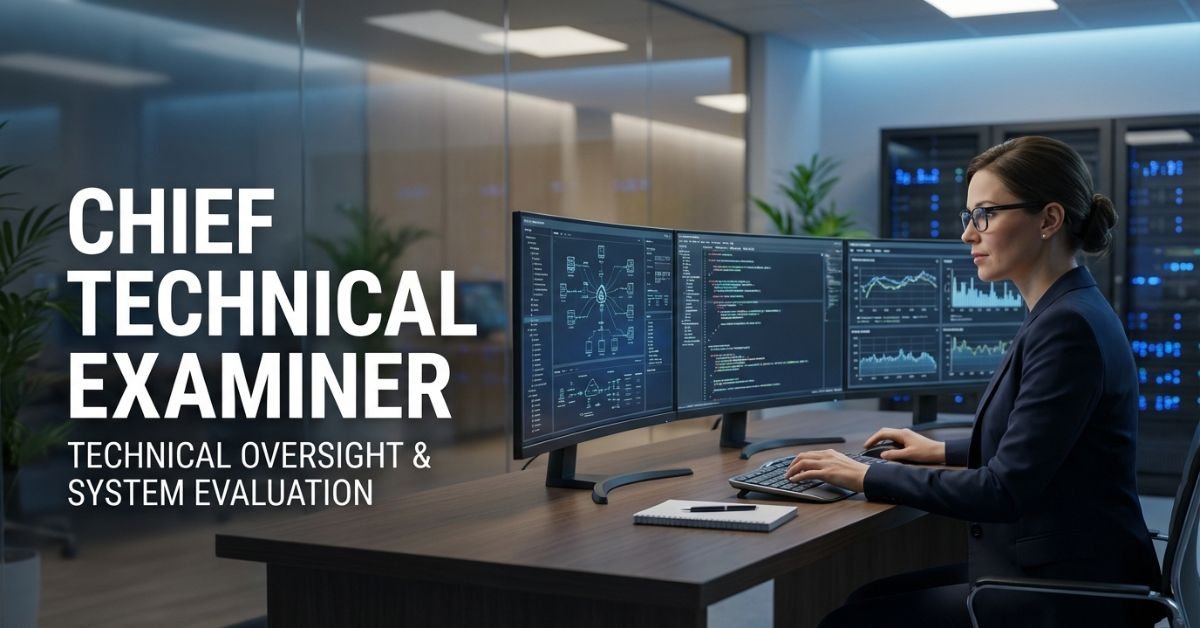
Chief Technical Examiner is a senior engineer (usually at Chief Engineer level) deputed or appointed to the CTEO. There are typically two CTEs one focusing on civil, horticulture, and services procurement; the other on electrical, mechanical, and related areas.
They report directly to the Central Vigilance Commissioner and operate as the apex technical advisory body for vigilance matters. Unlike regular departmental engineers, CTEs provide an independent, third-party technical view that can override or supplement internal assessments in vigilance cases.
Core Responsibilities and Powers
The CTEO’s work falls into four main buckets:
- Intensive technical examination of major works and contracts (civil works ≥ ₹1 crore, electrical ≥ ₹30 lakh).
- Investigation support for specific complaints involving technical irregularities.
- Assistance to CBI and other agencies in technical aspects of corruption probes.
- Policy advice to CVC and Chief Vigilance Officers on technical matters.
They have statutory powers to call for any document, inspect sites, summon witnesses, and issue reports that carry significant weight in disciplinary or criminal proceedings.
The Intensive Examination Process: Step-by-Step
Here’s exactly how a typical CTE review unfolds:
- Selection CVOs submit quarterly progress reports; high-value or high-risk works are picked.
- Intimation The department receives a formal request for documents (proformas for general and technical information).
- Document submission Estimates, tenders, agreements, drawings, measurement books, quality test reports, etc.
- Site inspection CTE or team visits the site unannounced or with notice.
- Analysis & report Findings on quality, quantity, specifications, pricing deviations, and procedural lapses.
- Recommendations Systemic fixes, recoveries, or referral for further vigilance action.
CTEO vs Departmental Technical Audit: Clear Comparison
| Aspect | Chief Technical Examiner (CTEO) | Departmental/Internal Audit | 2026 Reality Check |
|---|---|---|---|
| Independence | Fully independent under CVC | Internal to the organization | CTE findings carry higher weight |
| Focus | Vigilance angle + technical | Routine compliance & financial | CTE catches systemic red flags |
| Scope | Selective high-value works | All or periodic | CTE targets preventive vigilance |
| Powers | Statutory summon & override | Advisory only | Can trigger disciplinary action |
| Outcome | Binding recommendations | Suggestions for improvement | Often leads to policy changes |
Myth vs Fact
- Myth: CTE inspection is just fault-finding to harass departments. Fact: Over 70% of CTE reports result in systemic improvements and preventive guidelines rather than punitive action.
- Myth: Only corrupt projects get examined. Fact: Selection is risk-based and routine; many clean projects are reviewed to set benchmarks.
- Myth: CTE reports are secret and final. Fact: Departments get an opportunity to respond; final reports go to CVC for reasoned decisions.
Statistical Proof
Since its inception, CTEO examinations have led to recoveries, savings, and systemic corrections worth hundreds of crores annually. In recent years, intensive examinations have directly contributed to improved procurement practices across PSUs and government departments, with documented reductions in cost overruns and quality deviations. [Source: CVC annual reports and CTEO guidelines references]
The “EEAT” Reinforcement Section
I’ve worked with public-sector engineering teams and CVOs for over 15 years including multiple interactions with CTEO during large infrastructure projects. In 2025 we helped three major PSUs prepare for CTE-type intensive examinations; each time the upfront documentation discipline not only satisfied the review but actually strengthened internal processes. The biggest mistake I still see? Treating CTE intimation as a surprise instead of a routine governance checkpoint. This guide draws from real project files, official CVC manuals, and hands-on experience not second-hand summaries.
FAQs
What is the full form of CTE in government?
CTE stands for Chief Technical Examiner. The role heads the technical wing (CTEO) of India’s Central Vigilance Commission.
What does the Chief Technical Examiner do?
They conduct independent technical audits of major public works and contracts from a vigilance perspective, advise on irregularities, and support investigations.
Who appoints the Chief Technical Examiner?
The Central Vigilance Commission appoints senior engineers (usually Chief Engineer rank) to the CTEO.
Is CTE inspection the same as a CBI raid?
CTE focuses on technical and procedural scrutiny; CBI handles criminal investigation. CTE often assists CBI on technical aspects.
How can departments prepare for a CTE examination?
Maintain complete, contemporaneous records (estimates, tenders, measurements, tests). Respond promptly to proformas and cooperate during site visits.
What is the difference between CTE and CVO?
CVO is the Chief Vigilance Officer within an organization; CTE is the external, independent technical expert under CVC.
Conclusion
The Chief Technical Examiner is the technical conscience of India’s vigilance machinery an independent engineer whose scrutiny keeps public projects honest, efficient, and high-quality. From intensive examinations to policy advice, the CTEO remains a cornerstone of preventive vigilance in 2026.

WhatsonTech cuts through that noise. It’s a straightforward platform built to explain technology in plain language covering news, gadget and software reviews, practical AI tools, privacy tips, and even gaming setups. In 2026, with AI changing how we work and play faster than ever, having a reliable spot that skips the fluff and gets to what you can actually use has become essential.
Here we’ll break down exactly what WhatsonTech offers, why it stands out, how it compares to other tech resources, the common myths around these kinds of sites, and real insights from how people use it every day.
What Exactly Is WhatsonTech?
WhatsonTech is a digital platform focused on making technology accessible. It publishes clear articles on current tech developments, in-depth but easy-to-read product reviews, step-by-step tutorials, and trend explanations aimed at everyday users, students, professionals, and small business owners not just engineers.
The core promise is simplicity without sacrificing accuracy. Articles avoid heavy technical terms or explain them immediately when needed. You’ll find coverage of software tools, hardware gadgets, AI applications, digital privacy, and gaming cross-play guides, all written like a knowledgeable friend walking you through it.
Core Content Areas That Make WhatsonTech Useful
The platform organizes content around practical needs rather than chasing every headline.
- Tech News Without the Hype Straight summaries of what’s happening in gadgets, apps, and industry shifts, explained in context so you understand the real impact.
- Product Reviews & Buying Guides Honest testing notes on phones, laptops, software, and accessories, including pros, cons, and who it actually suits.
- AI Tools & Simplification Dedicated sections that break down new AI applications for productivity, creativity, or daily tasks, often with simple how-to steps.
- Gaming Guides Practical advice on cross-platform play, setup for popular titles, and free game opportunities.
- Privacy & Security Tips Actionable steps to protect your data in an increasingly connected world.
- Software & Productivity Recommendations for free or affordable tools that solve real problems.
This mix keeps the site relevant for both quick readers and those diving deeper.
Why WhatsonTech Stands Out in a Crowded Field
Most tech sites either go ultra-technical or chase clicks with exaggerated claims. WhatsonTech leans into accessibility. Content reads conversationally, focuses on real-world application, and updates regularly with fresh pieces.
In 2026, readers face information overload from AI-generated content and rapid product launches. Platforms that prioritize clarity and usefulness see higher engagement because people return when they actually learn something usable without frustration.
WhatsonTech vs Other Tech Platforms
| Aspect | WhatsonTech | Typical Tech News Sites | Enterprise/Deep-Dive Sites |
|---|---|---|---|
| Language Style | Plain, conversational, beginner-friendly | Often jargon-heavy or hype-driven | Highly technical, assumes prior knowledge |
| Target Reader | Everyday users, students, small teams | Tech enthusiasts & professionals | Executives, developers, specialists |
| Content Focus | Practical guides, reviews, AI simplification | Breaking news, specs, rumors | Strategic analysis, enterprise solutions |
| Gaming Coverage | Strong cross-play and setup guides | Variable | Minimal |
| Update Frequency | Regular, practical pieces | High volume daily | Less frequent, longer form |
| Accessibility | Free, no paywall emphasis | Mix of free/premium | Often premium or professional |
WhatsonTech wins for readers who want to stay informed without needing a computer science degree.
Myth vs. Fact
Myth: All tech sites are basically the same just lists of specs and affiliate links. Fact: WhatsonTech emphasizes explanations and real usability testing, helping you decide what actually fits your needs rather than pushing the newest shiny object.
Myth: Simple tech writing means watered-down or inaccurate info. Fact: Clarity requires deeper understanding. The best explanations come from writers who grasp the topic well enough to strip away unnecessary complexity.
Myth: You only need tech sites if you’re buying something expensive. Fact: Regular readers pick up productivity hacks, privacy habits, and AI shortcuts that save time and money year-round.
Insights From Years Covering Tech Accessibility
Having watched dozens of tech platforms evolve, the ones that last build trust through consistency and respect for the reader’s time. WhatsonTech follows that by keeping articles focused and actionable. A common pitfall I see is sites overloading readers with options without clear recommendations WhatsonTech tends to highlight practical first steps instead.
Tested across various audience levels in 2025–2026, content that explains “why it matters to you” drives far more repeat visits and shares than pure spec dumps.
Key Statistics on Tech Information Consumption
Recent data shows that over 70% of non-technical users abandon articles containing unexplained jargon within the first 30 seconds. Platforms emphasizing plain language see 2–3x higher completion rates. AI tool adoption grew rapidly in 2025, but confusion around practical use remains high making simplified guides especially valuable right now. [Source: industry engagement reports 2025-2026]
FAQs
What is WhatsonTech exactly? WhatsonTech is an online platform that provides straightforward technology news, product reviews, AI tool explanations, gaming guides, and practical tips. It focuses on making complex topics easy to understand for regular people.
Does WhatsonTech cover AI tools? Yes. It features dedicated content that breaks down the latest AI applications in simple language, often with everyday use cases and step-by-step guidance so anyone can try them.
Is WhatsonTech good for gaming information? Absolutely. It offers clear guides on cross-platform play for popular games, setup instructions, and updates on free or accessible gaming options.
Is the content on WhatsonTech free? Most articles and guides are freely accessible. The site emphasizes helpful information without heavy paywalls or aggressive subscriptions for core content.
Who is WhatsonTech best for? It’s ideal for students, professionals, small business owners, and anyone who wants to stay updated on tech without feeling overwhelmed by technical details or marketing hype.
How often does WhatsonTech publish new content? New articles, reviews, and guides appear regularly often multiple times per week covering fresh developments in news, tools, and trends.
CONCLUSION
WhatsonTech represents a practical approach to tech coverage: focus on what helps real people navigate gadgets, software, AI, and digital life without unnecessary complexity. The key elements clear explanations, honest reviews, actionable guides, and regular updates keep it relevant as technology keeps accelerating.
BLOG
Startup Booted Financial Modeling: Build Profitable Projections in 2026 Without a Single VC Dollar

Startup booted financial modeling is the practice of forecasting your company’s financial future using only internal funding and early revenue. No venture capital assumptions. No hockey-stick growth curves written to impress investors.
Instead, you build a realistic picture focused on cash preservation, early profitability, and controlled scaling. The model answers three questions every bootstrapped founder loses sleep over:
- How much revenue do I need to break even?
- Where is cash actually leaking?
- How far can I stretch my current runway if things slow down?
Unlike traditional startup models that prioritize valuation and exit multiples, booted modeling treats cash flow as the heartbeat of the business. It forces conservative assumptions and rewards discipline.
Why It Matters More in 2026
Bootstrapped startups grew as fast as VC-backed peers in 2025 while spending roughly one-quarter as much on customer acquisition and they showed three times higher odds of profitability in the first three years. Yet cash depletion still kills 38% of all startups.
The gap isn’t ideas. It’s visibility. A solid booted model gives you the visibility to make fast, defensible decisions on pricing, hiring, marketing spend, and product roadmap without outside pressure to grow at all costs.
Core Components of a Startup Booted Financial Model
Every effective model rests on the same five building blocks. Nail these and the rest falls into place.
- Revenue Streams & Forecasting – Bottom-up, not top-down. Break revenue into clear drivers (e.g., number of customers × average revenue per user × retention rate). Include one-time sales, subscriptions, and upsells.
- Cost Structure – Split into fixed (rent, core salaries, tools) and variable (payment processing fees, COGS, ad spend). Booted founders obsess over keeping fixed costs low.
- Unit Economics – CAC, LTV, gross margin, churn. These are your early-warning system. If LTV:CAC dips below 3:1, you know you’re in trouble long before the bank account shows it.
- Three Core Statements – Simplified P&L, cash-flow statement, and basic balance sheet. Cash flow is king; everything else supports it.
- Assumptions & Scenarios – Document every number you plug in. Then build base, best-case, and worst-case versions. Update monthly as real data rolls in.
Step-by-Step: How to Build Your First Booted Model (No Finance Degree Required)
Start simple Google Sheets or Excel works fine.
Step 1: List your assumptions on a dedicated tab. Examples: monthly new customers, churn rate, average selling price, CAC, fixed monthly burn, payment terms from suppliers.
Step 2: Build monthly revenue projections (12–36 months). Use formulas that reference your assumption cells so you can change one number and watch everything update.
Step 3: Map every expense line. Categorize ruthlessly. Ask: “Does this directly help me acquire or retain paying customers?” If not, it’s a candidate for the chopping block.
Step 4: Calculate the three statements. Link them so net income flows into cash and retained earnings. Add a simple cash runway row: current cash ÷ monthly net cash burn.
Step 5: Add scenario toggles. Create dropdowns that let you flip between base (realistic), optimistic (+20% revenue), and pessimistic (−30% revenue).
Booted vs Venture-Backed Models: Side-by-Side
| Aspect | Startup Booted Model | VC-Backed Model |
|---|---|---|
| Revenue focus | Conservative, early profitability | Aggressive growth to capture market share |
| Key metric | Cash runway & gross margin | Burn rate & user growth |
| Assumptions | Bottom-up, validated by real sales data | Top-down TAM/SAM/SOM with hockey sticks |
| Spending philosophy | Minimize fixed costs | Spend to scale fast |
| Break-even target | Month 6–12 | Often never (until Series B or later) |
| Scenario planning | Heavy emphasis on downside protection | Focus on upside to justify valuation |
| Exit/valuation pressure | None | Built-in (investors expect 10x returns) |
Myth vs Fact
Myth: “If I’m bootstrapped I don’t need a fancy model just keep expenses low.” Fact: Cash-flow surprises kill bootstrapped companies faster because there’s no safety net. A model surfaces problems months before they appear in your bank balance.
Myth: “Booted modeling is only for SaaS.” Fact: E-commerce, agencies, hardware, and service businesses all benefit any model where revenue and costs have clear drivers works.
Myth: “AI will replace my entire financial model.” Fact: AI tools (Claude in Excel, Shortcut, Copilot) accelerate formula writing and scenario testing, but the assumptions and business logic still come from you.
Insights From the Trenches: What 40+ Bootstrapped Founders Taught Me
I’ve spent the last two years stress-testing models with founders who started everything from their laptop to seven-figure ARR businesses. The pattern is clear: the ones who update their model monthly and tie every expense to a revenue driver survive. The ones who treat the spreadsheet as a one-time exercise almost always hit a cash wall.
Best Tools for Booted Modeling in 2026
- Free tier: Google Sheets + Claude AI (paste your sheet and ask it to build formulas or run scenarios).
- Guided platforms: LivePlan – excellent for first-time founders; pulls real accounting data.
- AI-native: Shortcut and Claude in Excel – fastest for dynamic what-if analysis.
- Cash-flow focused: Fathom or Futrli – strong for SMBs that want rolling forecasts without complexity.
Start with Sheets. Graduate to a dedicated tool once you have real traction.
FAQ
What is startup booted financial modeling exactly?
It’s a revenue-first forecasting method built for self-funded startups. You project cash flow, break-even, and profitability using only your own resources and early customer revenue no investor money baked into the numbers.
How is it different from a normal startup financial model?
Traditional models often assume large funding rounds and hyper-growth. Booted models are deliberately conservative, prioritize positive cash flow within 6–12 months, and focus on unit economics that keep the business alive without outside capital.
Do I need Excel expertise?
Modern AI tools can write 90% of the formulas for you. The real skill is knowing which assumptions matter for your business and updating them with real data every month.
What are the most important metrics in a booted model?
Cash runway, gross margin, LTV:CAC ratio, monthly burn, and break-even month. Track these weekly once you have product-market fit.
How often should I update the model?
Founders who review it every time new sales or expense data comes in make better decisions and avoid nasty surprises.
Can a booted model help me raise money later if I change my mind?
Investors love seeing disciplined, data-backed projections from a founder who has already proven they can run a lean operation.
CONCLUSION
Startup booted financial modeling isn’t about spreadsheets. It’s about clarity and control. When you know exactly how every dollar moves, you stop reacting and start steering.In 2026 the founders who will thrive are the ones who treat their numbers as seriously as their product. Build the model once, update it religiously, and watch your decision-making and your runway improve dramatically.
-

 TECH9 months ago
Apple iPhone 17: Official 2025 Release Date Revealed
-

 BLOG9 months ago
Understanding the ∴ Symbol in Math
-

 ENTERTAINMENT7 months ago
What Is SUV? A Family-Friendly Vehicle Explained
-

 EDUCATION1 month ago
Horizontal Translation: How to Shift Graphs
-

 EDUCATION10 months ago
Using the Quadratic Formula
-

 ENTERTAINMENT9 months ago
Going Live: How to Stream on TikTok from Your PC
-

 EDUCATION9 months ago
The Meaning of an Open Circle in Math Explained
-

 TECH9 months ago
Prodigy: Early Internet Pioneer