
FASHION
Chestnut Brown Hair: The Perfect Shade for a Timeless Look


Chestnut brown hair is a versatile and flattering shade that suits many skin tones and personal styles. One of the main benefits of chestnut brown hair is its ability to enhance one’s natural features. It can add warmth and depth to the complexion, making it a great choice for those looking to update their look.
Who Can Pull Off Chestnut Brown Hair?
Chestnut brown hair is a great choice for many people, but it’s especially flattering on those with cool or neutral skin tones. If you have a warm skin tone, you may want to consider a slightly different shade to avoid looking unhealthy or tired.
“I’ve been dyeing my hair chestnut brown for years, and it’s been a game-changer for my confidence. It’s a shade that complements my skin tone and makes me feel like a new person.” – A satisfied hair dye enthusiast
Maintaining Chestnut Brown Hair
To keep your chestnut brown hair looking its best, regular maintenance is key. This includes using the right hair care products, getting regular trims, and protecting your hair from damage.

Hair Care Tips for Chestnut Brown Hair
Here are a few tips to help you maintain your chestnut brown hair:
- Use a sulfate-free shampoo and conditioner to keep your hair healthy and vibrant.
- Avoid using hot water, which can strip your hair of its color and moisture.
- Consider using a color-protecting spray or serum to keep your hair looking its best.
Styling Chestnut Brown Hair
Chestnut brown hair is a versatile canvas that can be styled in many different ways. From sleek and straight to curly and voluminous, the options are endless.
Styling Ideas for Chestnut Brown Hair
Here are a few styling ideas to get you started:
- Try a sleek, low ponytail to showcase your hair’s natural shine.
- Add some texture and volume with a curling iron or a texturizing spray.
- Go for a relaxed, effortless look with a messy bun or a braided crown.
FAQs
Q: Is chestnut brown hair suitable for all skin tones?
A: While chestnut brown hair can be flattering on many skin tones, it’s especially suitable for cool or neutral skin tones.
Q: How do I maintain my chestnut brown hair color?
A: To maintain your chestnut brown hair color, use a sulfate-free shampoo and conditioner, avoid hot water, and consider using a color-protecting spray or serum.
Q: Can I dye my hair chestnut brown at home?
A: While it’s possible to dye your hair chestnut brown at home, it’s generally recommended to consult a professional stylist to achieve the best results.
Q: How often should I touch up my chestnut brown hair color?
A: The frequency of touch-ups depends on your hair growth rate and personal preference. Generally, it’s recommended to touch up your roots every 4-6 weeks.
Conclusion
Chestnut brown hair, it’s clear that this shade offers a unique combination of versatility and flattery. Whether you’re looking to update your look or simply want to try something new, chestnut brown hair is definitely worth considering.
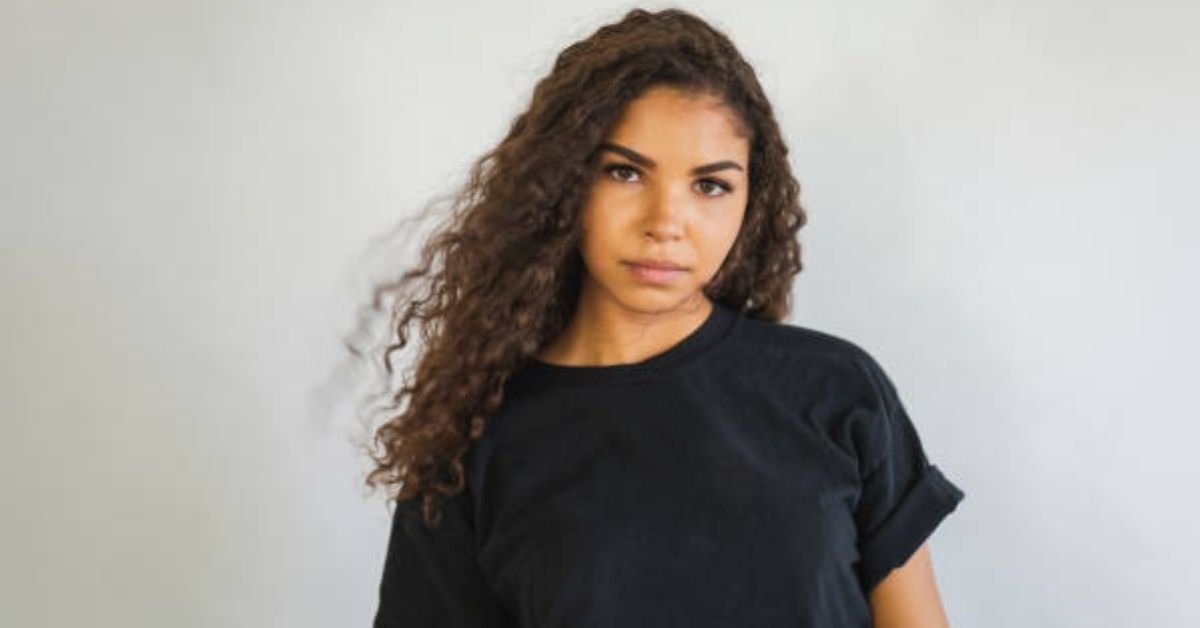
Shirts with black is their versatility. Whether you’re looking for a casual, everyday shirt or a more formal option for a special occasion, a black shirt can be a great choice. You can pair it with jeans and sneakers for a relaxed look or with dress pants and a blazer for a more formal appearance.
Styling Shirts with Black
How can you style a shirt with black? The possibilities are endless. You can wear it on its own or layer it under a jacket or sweater. You can also pair it with a variety of colors, from bold brights to neutral tones. For example, pairing a black shirt with white pants and shoes creates a chic, monochromatic look.
For instance, someone might say, “I love wearing my black shirt with distressed denim jeans and boots – it’s my go-to outfit for a night out with friends.” It’s a simple yet stylish combination that’s hard to beat.
The Benefits of Shirts with Black
So, what are the benefits of shirts with black? For one, they’re incredibly versatile, as mentioned earlier. They’re also timeless – black shirts never go out of style. Plus, they’re easy to care for, as they can be machine washed and dried.

Choosing the Right Shirt with Black
When it comes to choosing a shirt with black, there are a few things to consider. You want to think about the fabric, the fit, and the style. Do you prefer a slim-fit or a more relaxed fit? Are you looking for a short-sleeved or long-sleeved shirt? These are all important factors to consider when making your decision.
FAQs
Q: What colors go well with a black shirt?
A: A black shirt can be paired with a variety of colors, from bold brights to neutral tones. Some popular options include white, gray, and beige.
Q: Can I wear a black shirt to a formal event?
A: Yes, a black shirt can be a great choice for a formal event, especially when paired with dress pants and a blazer.
Q: How do I care for a black shirt?
A: Black shirts are generally easy to care for, as they can be machine washed and dried. However, be sure to check the care label for specific instructions.
Q: Are black shirts suitable for everyday wear?
A: Yes, black shirts are a great choice for everyday wear, as they’re versatile and can be dressed up or down.
Conclusion
Shirts with black, you’ll discover a wide range of options to suit your style and needs. Whether you’re looking for a casual, everyday shirt or a more formal option, a black shirt can be a great choice.

Eyebrow growth cycle is a complex process that involves multiple phases. The anagen phase, also known as the growth phase, is the active growth period where the hair grows. This phase can last anywhere from 1-6 months, depending on individual factors. The catagen phase is a short transitional phase that lasts about 2-3 weeks, followed by the telogen phase, also known as the resting phase, which can last up to 3-4 months.
Factors Affecting Eyebrow Growth
Several factors can affect eyebrow growth, including genetics, nutrition, and overall health. A diet rich in vitamins and minerals, particularly biotin, vitamin E, and omega-3 fatty acids, can promote healthy hair growth. On the other hand, nutritional deficiencies, hormonal imbalances, and certain medical conditions can slow down or even halt eyebrow growth.
One person shared their experience with eyebrow growth, saying, “I over-tweezed my eyebrows and was left with sparse patches. It took me about 6 months to see significant regrowth, and I made sure to take care of my overall health and nutrition during that time.”

Tips for Promoting Eyebrow Growth
While there’s no magic solution to make eyebrows grow back overnight, there are some tips that can help promote healthy growth. These include:
- Eating a balanced diet rich in essential nutrients
- Avoiding excessive tweezing or waxing
- Using gentle eyebrow care products
- Massaging the eyebrow area to increase blood flow
Frequently Asked Questions
Q: How long does it take for eyebrows to grow back after over-tweezing?
A: It can take anywhere from 3-6 months for eyebrows to grow back after over-tweezing, depending on individual factors.
Q: Can I speed up eyebrow growth?
A: While there’s no guaranteed way to speed up eyebrow growth, maintaining a healthy diet, avoiding excessive grooming, and using gentle care products can help promote healthy growth.
Q: What are some natural remedies for promoting eyebrow growth?
A: Some natural remedies that may promote eyebrow growth include castor oil, coconut oil, and biotin supplements.
Q: Can eyebrow growth be affected by medical conditions?
A: Yes, certain medical conditions, such as hypothyroidism or alopecia, can affect eyebrow growth. If you’re concerned about your eyebrow growth, it’s best to consult with a healthcare professional.
Conclusion
Eyebrow growth cycle and taking care of your overall health can help promote healthy eyebrow growth. To explore more and find the best tips and tricks for growing back your eyebrows, try incorporating a balanced diet, gentle care, and patience into your routine.
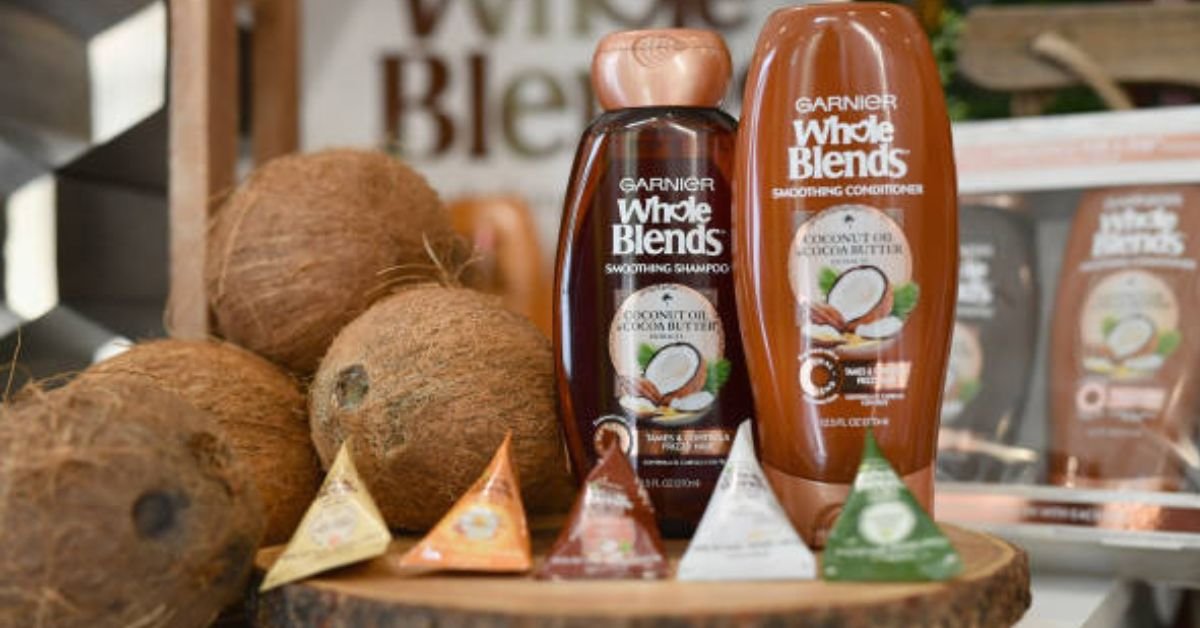
Coconut oil for hair has been a popular topic of discussion in the beauty world for years, and for good reason. This natural wonder has been touted as a miracle worker for hair care, but does it really live up to the hype? Let’s dive into the world of coconut oil and explore its benefits for hair.
The Science Behind Coconut Oil for Hair
Coconut oil is rich in nutrients and antioxidants that can help to nourish and protect the hair. The fatty acids present in coconut oil, particularly lauric acid, have been shown to penetrate the hair shaft and provide moisturizing benefits.
How to Use Coconut Oil for Hair
Using coconut oil for hair is relatively simple. You can use it as a pre-shampoo treatment, a leave-in conditioner, or even as a styling product. The key is to use it in a way that works for your hair type and needs.
Benefits of Coconut Oil for Hair
The benefits of coconut oil for hair are numerous. Some of the most significant advantages include:
- Moisturizing properties: Coconut oil is rich in fatty acids that can help to moisturize and nourish the hair.
- Damage repair: Coconut oil can help to repair damaged hair by filling in gaps in the hair shaft.
- Dandruff reduction: Coconut oil has antifungal properties that can help to reduce dandruff and other scalp irritations.
“I’ve been using coconut oil for hair for months now, and I’ve seen a huge difference. My hair is softer, shinier, and more manageable than ever before.”

Tips for Using Coconut Oil for Hair
While coconut oil can be a great addition to your hair care routine, there are a few things to keep in mind. Here are some tips for using coconut oil for hair:
- Use it in moderation: Coconut oil can be rich, so start with a small amount and work your way up as needed.
- Choose the right type: Look for high-quality, virgin coconut oil that is free from additives and chemicals.
FAQs
Q: Can coconut oil help with hair growth?
A: While coconut oil can’t directly stimulate hair growth, it can help to create a healthy environment for hair to grow by nourishing and moisturizing the scalp.
Q: How often should I use coconut oil for hair?
A: The frequency of use will depend on your hair type and needs. Some people use coconut oil daily, while others use it once or twice a week.
Q: Can I use coconut oil on colored hair?
A: Yes, coconut oil can be used on colored hair. In fact, it can help to lock in color and moisture.
Q: Is coconut oil good for dry hair?
A: Absolutely! Coconut oil is particularly beneficial for dry hair, as it can help to moisturize and nourish the hair.
Conclusion
Coconut oil for hair, it’s clear that this natural wonder has a lot to offer. Whether you’re looking to moisturize, repair, or simply add some shine to your locks, coconut oil is definitely worth trying.
-

 TECH8 months ago
Apple iPhone 17: Official 2025 Release Date Revealed
-

 BLOG8 months ago
Understanding the ∴ Symbol in Math
-

 ENTERTAINMENT6 months ago
What Is SUV? A Family-Friendly Vehicle Explained
-

 EDUCATION2 weeks ago
Horizontal Translation: How to Shift Graphs
-

 EDUCATION9 months ago
Using the Quadratic Formula
-

 ENTERTAINMENT8 months ago
Going Live: How to Stream on TikTok from Your PC
-

 EDUCATION8 months ago
The Meaning of an Open Circle in Math Explained
-

 TECH8 months ago
Prodigy: Early Internet Pioneer