
BLOG
How Many Satellites Are in Space? The Shocking Truth Behind Our Powerful Orbit


It’s one of the most common modern space curiosities. After all, satellites run our GPS, power global internet, enable Netflix streaming on remote mountains, and even track wildfires in Aussie bushlands. Yet most people don’t know the sheer scale of these skyward machines silently orbiting Earth.

How Many Satellites Are in Earth’s Orbit in 2025?
According to the Union of Concerned Scientists (UCS) database and 2025 space tracking reports, there are over 9,500 active satellites in Earth’s orbit. If you include inactive “dead” satellites, fragments, and related debris, the number climbs to closer to 28,000 cataloged objects.
That’s not all. With mega-constellations like SpaceX’s Starlink and Amazon’s Project Kuiper scaling aggressively, projections suggest we’ll cross 15,000 operational satellites by 2030—a number once unimaginable.
Quick Numbers Snapshot (2025):
- Total Active Satellites: ~9,542
- Inactive / Debris Objects: ~18,000+
- New satellites launched in 2024 alone: ~3,200 (a record year)
It’s crowded up there. But how do they all fit in orbit without colliding like cosmic bumper cars?
How High Are Satellites?
The trick lies in where satellites orbit. They’re layered like invisible highways in the sky:
- Low Earth Orbit (LEO) – 160 to 2,000 km altitude.
Most communication sats like Starlink live here. Great for low-latency internet but riskier for congestion. - Medium Earth Orbit (MEO) – 2,000 to 35,000 km.
GPS and navigation satellites typically reside here. - Geostationary Orbit (GEO) – ~35,786 km altitude.
These “parked” satellites move with Earth’s rotation, ideal for TV broadcasting and weather forecasting.
Imagine them as three rings around Earth, each designed for particular chores. So next time you ask how high are satellites, remember: the answer isn’t singular. It’s more like “tiers of a cosmic skyscraper.”

A Note on Spelling Oddities: “Satelitter” or “Saletile”
When people type satelitter or saletile into search bars, what they really want is info on satellites themselves. Don’t worry—you didn’t stumble on a new Scandinavian tech brand. Spelling quirks aside, the meaning always comes back to our fascinating orbiting machines.
(And yes, Google in 2025 is clever enough to autocorrect those into “satellite” instantly.)
Real-Life Example: Losing Internet for a Day
SpaceX’s Starlink crash back in 2022 is a perfect case showing how dependent we’ve become. A geomagnetic storm knocked 40 satellites out of orbit in one week. People on social media were panicking:
“When Starlink glitched, I realized how much my job, Netflix, and even my groceries depend on a network I can’t even see.”
This highlights that satellites aren’t symbolic sci-fi props—they’re the invisible infrastructure of our everyday.
How Many Satellites Does Each Planet Have?
A fun twist: When asking how many satellites are in space, most mean Earth’s artificial satellites. But what about natural satellites—the moons of other planets?
Here’s the updated 2025 tally of natural satellites by planet:
- Mercury – 0
- Venus – 0
- Earth – 1 (our trusty Moon)
- Mars – 2 (Phobos and Deimos)
- Jupiter – 95 confirmed moons
- Saturn – 146 confirmed moons (record holder!)
- Uranus – 28
- Neptune – 16
- Pluto (yes, we’ll count it!) – 5
In short, if you ever wondered how many satellites does each planet have, know that Earth is actually one of the least equipped compared to gas giants. But we make up for it with artificial satellites!

The Future of Satellites: Towards 2030
In 2025, three trends dominate satellite development:
- Mega Constellations – Starlink, Kuiper, OneWeb are racing to dominate global internet coverage.
- Miniaturization – “CubeSats” allow universities and startups to deploy cheap, tiny satellites.
- Space Junk Management – With thousands of dead sats floating around, active cleanup missions (like robotic garbage collectors) are being seriously developed.
As one expert quipped at a space conference: “We’ve solved connecting Earth—but now we need to solve tidying up Earth’s orbit.”
Pros and Cons of Having So Many Satellites
Pros:
- Global internet access (great for rural areas).
- Disaster tracking and weather prediction improvements.
- Earth observation aiding climate change accountability.
- Navigation accuracy sharper than ever before.
Cons:
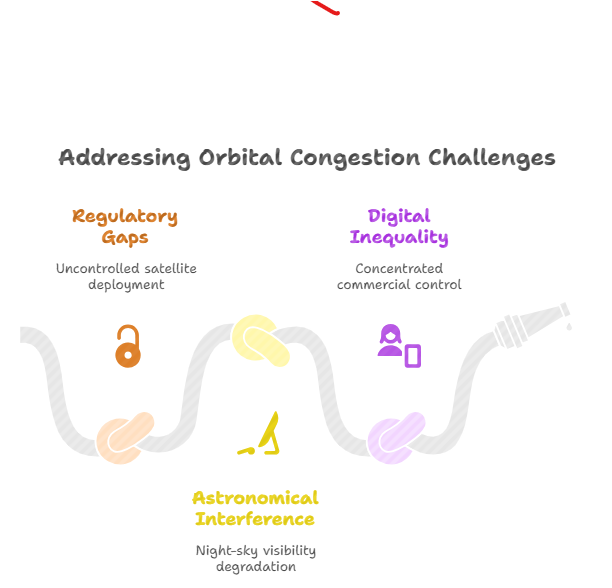
- Rising risk of collisions (the dreaded “Kessler Syndrome”).
- Barely regulated overcrowding in LEO.
- Astronomers complain satellites ruin night-sky visibility.
- Growing digital inequality if commercial control concentrates power.
FAQs
1. Exactly how many satellites are in space right now?
As of early 2025, there are ~9,542 active satellites orbiting Earth, with over 18,000 additional inactive satellites and debris fragments tracked.
2. How many satellites are in Earth’s orbit vs other planets?
Earth has ~9,500 artificial ones, but natural moons belong elsewhere—Saturn leads with 146 moons versus Earth’s lonely one.
3. How high are satellites above us?
They range from 160 km in LEO to nearly 36,000 km in GEO. Each zone serves a unique purpose—like navigation, weather, or internet.
4. Are satellites dangerous for the environment?
Indirectly, yes. The major risk isn’t to humans (most burn up on reentry) but to other satellites. Collisions create debris clouds threatening active missions.
5. What is being done about space junk?
Companies and space agencies are testing debris-grabbing satellites, laser nudges, and “drag sails” to pull dead satellites back into Earth’s atmosphere safely.
Final Thoughts
We live in a world powered by satellites—over 9,500 orbiting Earth in 2025, rendering distance irrelevant and turning the entire globe into a connected web. The question “how many satellites are in space?” is more than trivia; it’s a reminder of our dependence on invisible infrastructure circling above.


TabooTube is an alternative video-streaming website designed to host content that mainstream platforms routinely remove or restrict. Unlike YouTube or Vimeo, the platform operates with minimal editorial moderation, allowing creators to publish experimental videos, independent films, underground music, alternative lifestyle content, and social commentary without fear of algorithmic suppression or sudden removal.
The name itself is deliberate: ‘taboo’ signals that the platform welcomes content that falls outside the comfortable, advertiser-friendly boundaries of big tech. This does not mean the platform is illegal it simply occupies a different position on the content moderation spectrum.
The Core Concept: A Safe Haven for Unrestricted Video Content
The platform’s central promise is freedom of expression. Creators who feel silenced on YouTube whether due to demonetisation, content strikes, or outright bans often seek alternative homes for their work. TabooTube positions itself as one such destination: a space where niche hobbies, fringe viewpoints, and unconventional creative works can find an audience without the constant threat of removal.
Key characteristics of the platform include:
- No mandatory account creation to browse or watch content
- Minimal algorithmic curation content is discovered organically through categories and search
- User-generated content (UGC) at its core, ranging from tutorials to short films
- Cross-device accessibility via any modern web browser
- A simple, stripped-back interface focused on content rather than engagement metrics
TabooTube vs YouTube: The Battle for Creative Freedom
The fundamental tension between TabooTube and YouTube is one of control versus openness. YouTube’s algorithm rewards certain content types, penalises others, and can remove videos overnight based on policy interpretations that creators often find opaque and inconsistent. TabooTube offers an escape from this cycle but this freedom comes with its own set of trade-offs, which are explored throughout this guide.
Why TabooTube Exists: The Demand for Unfiltered Expression
The rise of alternative video platforms is a direct response to years of tightening content moderation on mainstream channels. Since the late 2010s, YouTube has repeatedly updated its community guidelines often in response to advertiser pressure resulting in widespread demonetisation of independent creators, particularly those covering sensitive topics such as politics, health, adult humour, and counterculture.
TabooTube fills a specific gap in this ecosystem. It is not designed to replace YouTube for the average viewer watching cat videos; it is designed for creators and audiences who have been marginalised by algorithmic bias. Underground musicians whose lyrical content is deemed inappropriate, documentary filmmakers covering controversial historical events, and educators discussing age-restricted topics all find a home on platforms like TabooTube.
Understanding this context is essential for any user approaching the platform. It is an alternative digital media space not a mainstream entertainment hub and should be approached with the expectations and precautions that come with that territory.
How to Access and Navigate TabooTube (The Safe Way)
Accessing TabooTube safely is arguably the most important aspect of using the platform. Because the site operates outside the mainstream web ecosystem, it is frequently subject to domain changes, unofficial mirrors, and copycat websites that may carry security risks.
Finding Official Mirrors: A Step-by-Step Guide to Avoid Scams
TabooTube may operate under multiple domain extensions or mirror URLs at any given time. Follow these steps to protect yourself:
- Search for the platform name combined with terms like ‘official site’ or ‘current URL’ to find verified references.
- Cross-reference any URL you find on at least two independent sources (forums, tech blogs, or community discussions).
- Before visiting, run the URL through a website safety checker such as VirusTotal or Google Safe Browsing.
- Check that the URL uses HTTPS (look for the padlock icon in your browser’s address bar).
- Never enter personal information including your email address unless you are absolutely certain you are on the legitimate site.
- Bookmark the verified URL immediately so you do not need to search again.
The User Experience: Browsing, Categories, and Discovery
Once on the legitimate platform, navigation is intentionally simple. Unlike YouTube’s heavily engineered homepage, TabooTube presents content through a category-based structure. Users browse by topic, genre, or content type rather than being fed a personalised recommendation stream. This design philosophy reinforces the platform’s anti-algorithmic ethos.
Content discovery is primarily driven by:
- Category and subcategory browsing (e.g., experimental film, underground music, alternative lifestyle)
- Keyword search within the platform’s own index
- Related content suggestions on individual video pages
- Community-driven ratings and comments that highlight popular uploads
Account Creation: Is It Required? Benefits and Privacy Trade-offs
One of TabooTube’s most user-friendly features is that account creation is entirely optional for viewers. You can browse and watch content without registering. However, creating an account unlocks additional capabilities:
- Uploading your own videos as a creator
- Leaving comments and ratings on content
- Saving favourite videos or creating playlists
- Receiving notifications when followed creators post new content
Privacy note: If you do create an account, use a dedicated email address that is not linked to your real identity. Be aware that the platform’s data retention and privacy policies may differ significantly from those of mainstream services. Consider using a VPN when registering.
A Creator’s Guide: How to Upload and Share Content on TabooTube
For creators considering TabooTube as a distribution channel, understanding the platform’s content ecosystem is essential before committing time and resources to uploading.
Supported Content Types: What Is Allowed and What Is Not
TabooTube’s permissive approach does not mean anything goes. The platform generally supports:
- Experimental and avant-garde video art
- Underground and independent music videos
- Short films and feature-length independent cinema
- Social commentary and political discussion outside mainstream narratives
- Niche hobby content, tutorials, and instructional videos
- Alternative lifestyle content (subject to age restriction)
Content that remains prohibited even on this platform includes material that is illegal under international law, non-consensual intimate imagery, child safety violations, and content designed to facilitate real-world harm. Creators should also be aware that content infringing copyright can result in DMCA takedown notices regardless of the platform’s permissive moderation stance.
Optimising Your Videos for Discovery on a Non-Algorithmic Platform
Because TabooTube does not use a recommendation algorithm in the same way YouTube does, creators must take a more deliberate approach to discoverability:
- Titles: Be descriptive and specific. Include the core topic, genre, and any relevant niche terms in the video title.
- Tags and Categories: Select the most accurate category for your content and use all available tag slots with relevant, specific keywords.
- Descriptions: Write a detailed description (200-500 words) that explains the video’s content, context, and purpose. This is indexed for search.
- Thumbnails: Use a high-contrast, clear thumbnail that communicates the video’s subject at a glance.
- Community Engagement: Respond to early comments to build engagement signals that influence the video’s visibility in category listings.
- External Promotion: Because the platform’s internal discovery is limited, sharing links on forums, blogs, and social media communities relevant to your niche is critical.
Is TabooTube Safe? Navigating Risks, Malware, and Privacy Concerns
This is the question most users have before visiting TabooTube for the first time, and it deserves a thorough, honest answer. The short version: the platform itself is not inherently more dangerous than any other website, but the ecosystem around it including fake mirrors, third-party ads, and copycat sites introduces risks that require active management on the user’s part.

The Reality of ‘Download Buttons’: Malware and Fake Links
One of the most common dangers associated with alternative video platforms is the prevalence of misleading download buttons embedded in third-party advertisements. These are not part of the platform itself they are injected by ad networks but they can appear on the same page as legitimate content.
To protect yourself:
- Install and enable a reputable ad-blocker (uBlock Origin is widely recommended by cybersecurity professionals).
- Never click any button labelled ‘Download Video’, ‘Install Player’, or ‘Update Flash’ these are almost universally fake.
- Use antivirus software with real-time web protection (such as Malwarebytes or Windows Defender).
- If a page triggers multiple pop-ups or redirects, close it immediately and do not interact with any elements.
Protecting Your Privacy: VPNs, Ad-Blockers, and Secure Browsing
Even without clicking anything malicious, browsing alternative platforms can expose your IP address and browsing habits to third-party trackers. A VPN (Virtual Private Network) encrypts your internet traffic and masks your real IP address, providing a meaningful layer of privacy protection.
Recommended privacy stack for TabooTube users:
- VPN: Use a paid, no-logs VPN from a reputable provider. Free VPNs often monetise your data, defeating the purpose.
- Browser: Use Firefox or a privacy-focused browser like Brave, both of which offer stronger default privacy protections than Chrome.
- Ad-Blocker: uBlock Origin (available for Firefox and Chrome) is the gold standard for blocking ads and trackers.
- Incognito Mode: While not a substitute for a VPN, browsing in private mode prevents local storage of browsing history and cookies.
Legal Risks: Copyright, Local Laws, and Age Restrictions
Three legal considerations are relevant for TabooTube users and creators:
Copyright and DMCA: Content on TabooTube, like all online platforms, is subject to the Digital Millennium Copyright Act (DMCA). Users who upload copyrighted material music, film clips, images without authorisation can receive takedown notices and, in serious cases, face legal action from rights holders.
Local Laws: The legality of viewing certain types of content varies significantly by jurisdiction. What is legal to view in one country may be prohibited in another. Users are personally responsible for understanding and complying with the laws of their own jurisdiction.
Age Restrictions: TabooTube is strictly an adult (18+) platform. Minors should not access the site, and adults using shared devices should ensure appropriate access controls are in place.
Quick-Reference Safety Checklist
The table below summarises the key risks and corresponding protective measures:
| Risk | How to Protect Yourself |
| Malware & Fake Links | Use an ad-blocker (uBlock Origin). Never click ‘Download’ buttons. |
| Privacy & Data Tracking | Use a reputable VPN service. Browse in private/incognito mode. |
| Phishing Attempts | Verify the URL carefully. Only use known/verified mirrors. |
| Legal Risks | Check your local laws. Respect copyright. Do not download protected content. |
| Age-Restricted Content | Platform is for adults 18+ only. Parental controls are recommended. |
| Unreliable Mirrors | Cross-reference mirror sites. Avoid sites asking for personal info. |
Key Features of TabooTube: What Sets It Apart?
Minimal Moderation vs. Algorithmic Control
The defining feature of TabooTube is the near-absence of algorithmic curation. Where YouTube’s recommendation engine can suppress a video overnight reducing its reach to near zero TabooTube’s content visibility is determined primarily by search relevance and community engagement. This creates a more level playing field for niche creators, even if the overall audience size is smaller.
Community Interaction: Comments, Ratings, and Creator Engagement
TabooTube supports basic community interaction features, including video ratings (likes/dislikes) and comment sections. While these features are less sophisticated than YouTube’s community tools, they serve an important function: they allow the community to surface quality content organically, compensating in part for the lack of algorithmic recommendation.
For creators, actively engaging with comments especially in the early days after uploading can meaningfully increase a video’s visibility within category listings.
Cross-Device Experience: Desktop vs. Mobile Browsing
TabooTube does not currently offer a dedicated mobile application. All access is via web browser, on both desktop and mobile devices. The site is responsive and functional on mobile browsers, but the experience is notably less polished than native apps on mainstream platforms. Key considerations:
- Desktop: Full-featured experience with better performance for longer videos.
- Mobile Browser: Works on iOS and Android. Use Chrome or Firefox for best compatibility.
- No App Store presence: Do not download any app claiming to be ‘TabooTube’ from app stores these are almost certainly malicious.
TabooTube vs Mainstream Platforms: A Detailed Comparison
Understanding how TabooTube compares to mainstream alternatives helps users make an informed decision about where to watch or upload content. The table below provides a direct feature comparison:
| Feature | TabooTube | YouTube | Vimeo |
| Content Restrictions | Minimal / Open | Strict moderation | Moderate |
| Algorithm Control | None | Heavy algorithm | Light algorithm |
| Account Required | No (optional) | No (required to upload) | No (required to upload) |
| Monetization | Not available | YouTube Partner Program | Vimeo Pro plans |
| Mobile App | Browser only | Full native app | Full native app |
| Content Types | Niche/experimental | General mainstream | Professional/creative |
| Community Features | Basic comments/ratings | Full community tools | Comments & portfolios |
| Privacy Risks | Higher | Moderate | Lower |
| Free Access | Yes | Yes | Yes (limited) |
TabooTube vs YouTube: A Head-to-Head Feature Battle
YouTube wins on infrastructure, audience size, monetisation tools, and content discovery. TabooTube wins on creative freedom, minimal censorship, and anonymity. The right choice depends entirely on what the creator or viewer prioritises.
TabooTube vs Vimeo: Freedom vs. Professionalism
Vimeo is the preferred platform for professional filmmakers and creative agencies. It offers a polished viewing experience, strong privacy controls, and a reputation for quality. TabooTube, by contrast, is rawer and more permissive. Creators who need professional credibility should lean toward Vimeo; those prioritising unrestricted expression may prefer TabooTube.
Safer Alternatives to Consider
If the risks associated with TabooTube are a concern, the following platforms offer varying degrees of content freedom with stronger safety profiles:
- Dailymotion: A mainstream alternative with fewer restrictions than YouTube but more infrastructure stability.
- PeerTube: A decentralised, open-source video platform with strong privacy credentials and community moderation.
- Rumble: Positioned as a free-speech alternative to YouTube, with a growing creator base and improved safety record.
- Odysee (LBRY): A blockchain-based video platform offering creator monetisation and minimal censorship.
TabooTube Pros and Cons: Is It Right for You?
Pros:
- Creative freedom: Publish content that would be removed on mainstream platforms.
- No mandatory account: Browse anonymously without registration.
- No algorithmic suppression: Content visibility is not dictated by engagement metrics.
- Free to access: No subscription or paywall to view content.
- Niche community: A targeted audience genuinely interested in alternative content.
Cons:
- Security risks: The ad ecosystem and mirror sites require active management.
- Smaller audience: Significantly less traffic than mainstream platforms.
- No monetisation: Creators cannot earn revenue directly through the platform.
- No native app: Mobile experience is limited to browser access.
- Legal ambiguity: Content moderation gaps can expose users to legal risk if care is not taken.
- Reliability concerns: Mirror sites and domain changes can interrupt access.
Frequently Asked Questions About TabooTube
Is TabooTube free to use?
Yes. TabooTube is free to access for both viewers and creators. There are no subscription tiers, premium accounts, or paywalls for content.
Can I download videos from TabooTube?
The platform does not provide an official video download feature. Any ‘download’ button you see on the page is almost certainly a third-party advertisement and should not be clicked. Attempting to download content via third-party tools may also infringe copyright.
What are the best TabooTube alternatives?
Depending on your needs: PeerTube (for privacy and decentralisation), Dailymotion (for mainstream alternative), Rumble (for free-speech focus), and Odysee (for creator monetisation and blockchain-based distribution).
Does TabooTube have a mobile app?
No official app exists. Access TabooTube exclusively through a mobile web browser. Do not install any app claiming to be TabooTube from any app store these applications are unauthorised and potentially harmful.
How do I report illegal content on TabooTube?
Look for a ‘Report’ link or button on individual video pages. For copyright complaints, the platform processes DMCA takedown notices contact the site via its official DMCA notice channel (typically listed in the site footer or Terms of Service page).
Will visiting TabooTube harm my device?
The platform itself does not contain malware. However, third-party ads and fake mirror sites can. With an ad-blocker installed, up-to-date antivirus software running, and access via the verified official domain, the risk to your device is minimal.
Conclusion
TabooTube occupies a genuine and legitimate space in the online video ecosystem one that exists because mainstream platforms have, whether intentionally or not, left a large community of creators and viewers underserved. It is a platform for those who value creative freedom, niche expression, and freedom from algorithmic control.
However, that freedom comes with personal responsibility. The risks associated with TabooTube from malware-laden ads to legal grey areas are real, but they are manageable with the right tools and habits. Install an ad-blocker. Use a VPN. Verify URLs before visiting. Understand your local laws. These are not unreasonable precautions for any alternative platform.
Puzutask.com is a modern task management and productivity tool designed with one core philosophy in mind: simplicity. In a world overloaded with complicated project management software, puzutask.com strips away the clutter and gives you exactly what you need to stay organized, focused, and in control of your work.
Available as a web app, iOS app, and Android app, puzutask.com syncs seamlessly across all your devices, ensuring your tasks are always up to date whether you’re at your desk or on the move.
Whether you’re a freelancer managing client projects, a student tracking assignments, a small business owner overseeing a team, or simply someone who wants a clearer mind, puzutask.com is your go-to productivity partner.
Top Features That Make puzutask.com Your Daily Partner
puzutask.com is packed with features designed to make task management feel effortless. Here is a breakdown of what makes it stand out:
Intuitive Task Creation and Management
Creating and managing tasks on puzutask.com is as easy as it gets. You can:
- Add tasks in seconds with a single click or tap
- Set due dates and reminders to never miss a deadline
- Assign priority levels (High, Medium, Low) to your tasks
- Break work into smaller subtasks and steps for better clarity
- Use drag-and-drop to reorganize your task list effortlessly
- Attach files and notes directly to any task
Clear Views to Stay Focused
puzutask.com offers multiple views to match your workflow and keep distractions at bay:
- Dashboard: A clean, at-a-glance overview of your daily tasks and priorities
- Calendar View: Visualize your deadlines and schedule across days, weeks, and months
- List View: A straightforward, distraction-free view for getting through your to-do list
- Dark Mode: Reduce eye strain with a beautiful dark interface
Seamless Collaboration for Teams
puzutask.com is not just a solo productivity tool. Teams can use it to:
- Share tasks and entire projects with team members
- Assign specific tasks to individuals with clear ownership
- Track team progress from a shared dashboard
- Leave comments and updates directly on tasks
- Set team-wide deadlines and milestones
Sync Across All Your Devices
Your tasks follow you everywhere. puzutask.com offers real-time cross-platform sync between its web app, iOS app, and Android app. Start a task on your laptop, update it on your phone, and check it off on your tablet. Your data is always current, no matter which device you use.
Offline Mode
No internet? No problem. puzutask.com’s offline mode ensures you can continue adding and managing tasks even without a connection. Your changes sync automatically the moment you are back online.
Simple, Transparent Pricing for Everyone
One of the most important questions for any productivity tool is: how much does it cost? puzutask.com believes in straightforward, honest pricing with no hidden fees.
| Feature | Free Plan | Pro Plan | Business Plan |
| Task Management | Basic | Unlimited | Unlimited + Admin |
| Projects | Up to 3 | Unlimited | Unlimited |
| Calendar View | ✗ | ✓ | ✓ |
| Team Collaboration | ✗ | Limited | Full |
| Integrations | ✗ | Key Apps | All Apps + API |
| Priority Support | ✗ | 24/7 Priority | |
| Price | Free | $8/month | $20/month |
Free Plan Start for Free
The Free Plan is perfect for individuals who are just getting started. It includes basic task management features, up to 3 projects, and access to the web app. It is a great way to experience the power of puzutask.com at zero cost.
Pro Plan For Power Users and Freelancers
The Pro Plan unlocks unlimited tasks, unlimited projects, calendar view, key integrations, and email support. It is ideal for freelancers, solopreneurs, and individuals who rely on puzutask.com as the backbone of their daily workflow. At just $8/month, it delivers outstanding value for money.
Business Plan For Growing Teams
The Business Plan is built for teams that need to collaborate, share tasks, and manage projects together. It includes all Pro features plus full team collaboration, admin controls, access to all integrations and the API, and 24/7 priority support.
Who is puzutask.com For?
puzutask.com is designed to be versatile, serving a wide range of users with different needs and work styles.
Freelancers and Solopreneurs
Managing client work, deadlines, and multiple projects simultaneously can feel overwhelming. puzutask.com gives freelancers and solopreneurs a clear system to prioritize tasks, track progress, and meet every deadline with confidence. It replaces scattered sticky notes and complex spreadsheets with one organized hub.
Small Business and Remote Teams
Remote and hybrid teams need a tool that keeps everyone on the same page without unnecessary complexity. puzutask.com’s collaboration features allow teams to share tasks, assign responsibilities, and monitor progress together, no matter where they are in the world.
Students and Educators
Students can use puzutask.com to manage assignments, plan study sessions, and track exam deadlines. Its simple interface is intuitive enough for anyone, without requiring a learning curve. Educators can use it to plan lessons, manage grading schedules, and organize course materials.
Anyone Who Wants a Clearer Mind
You do not need to be running a business or a startup to benefit from puzutask.com. Even for personal use managing household tasks, fitness goals, or side projects puzutask.com brings structure and calm to your daily life.

Connect Your Favorite Tools with puzutask.com Integrations
puzutask.com fits seamlessly into your existing workflow through powerful integrations with the tools you already use:
- Slack Receive task notifications and updates directly in your Slack channels
- Google Calendar Sync your task deadlines with your Google Calendar automatically
- Zapier Automate workflows and connect puzutask.com to 5,000+ other apps
- Microsoft Teams Collaborate on tasks directly within your Teams environment
- Gmail Turn emails into tasks with a single click
- Dropbox Attach files from Dropbox directly to your tasks
- Zoom Link meeting notes and follow-up tasks from your Zoom calls
For developers and power users, puzutask.com also offers a robust API for custom integrations and workflow automation, available on the Business Plan.
The Benefits of a Simple Task Management System
Why use a task manager at all? Because a cluttered mind leads to missed deadlines, poor decisions, and burnout. Here is how puzutask.com transforms the way you work:
Reduce Stress and Gain Mental Clarity
When your tasks live in your head, they create a constant background noise of anxiety. By capturing everything in puzutask.com, you free your mind from trying to remember it all. The result is less stress, more focus, and the ability to think clearly about what truly matters.
The simple act of writing a task down and placing it in a system you trust is one of the most powerful productivity habits you can build.
Save Time and Work More Efficiently
Every minute you spend wondering ‘What should I do next?’ is a minute wasted. puzutask.com shows you exactly what is the most important task right now, so you can spend less time planning and more time doing. Users report saving an average of 30-60 minutes per day just by having a clear, prioritized task list.
Build Consistent Habits for Long-Term Success
Productivity is not about working harder it is about working consistently on the right things. puzutask.com helps you build small daily habits by making it easy to check in on your tasks every morning, plan your day in minutes, and review your progress at the end of the week. Over time, these habits compound into extraordinary results.
Achieve Your Goals with Confidence
Big goals feel overwhelming until they are broken down into small, manageable steps. puzutask.com’s subtask feature lets you decompose any goal whether it is launching a product, writing a book, or getting fit into daily actions you can realistically accomplish. Every completed task is a step forward.
Is puzutask.com Safe? Security and Privacy
Your data is valuable, and puzutask.com takes its security responsibilities seriously:
- SSL Encryption: All data transmitted between your device and puzutask.com’s servers is encrypted using industry-standard SSL/TLS protocols
- GDPR Compliant: puzutask.com is fully compliant with the General Data Protection Regulation (GDPR), giving European users complete control over their personal data
- Two-Factor Authentication (2FA): Protect your account with an additional layer of security beyond just a password
- Secure Backups: Your task data is automatically backed up on a regular basis to prevent any loss
- Privacy Policy: puzutask.com maintains a clear and transparent privacy policy, outlining exactly what data is collected and how it is used
- Help Center & Support: A comprehensive help center and responsive customer support team are available to assist you with any questions or concerns
Frequently Asked Questions (FAQs)
Is puzutask.com free?
Yes! puzutask.com offers a generous Free Plan that includes basic task management features with no time limit. For advanced features like unlimited tasks, calendar view, and integrations, you can upgrade to the Pro or Business Plan.
Does puzutask.com have a mobile app?
Absolutely. puzutask.com is available as a native app on both iOS (iPhone and iPad) and Android. You can download it for free from the Apple App Store or Google Play Store. All your data syncs in real time across devices.
How do I get started with puzutask.com?
Getting started is simple. Visit puzutask.com, create a free account in under 60 seconds, and start adding your first tasks immediately. No credit card is required for the Free Plan.
Can I use puzutask.com for team projects?
Yes. puzutask.com’s Business Plan is specifically designed for team collaboration. You can invite team members, share projects, assign tasks, and track everyone’s progress from a single shared dashboard.
What integrations does puzutask.com offer?
puzutask.com integrates with Slack, Google Calendar, Gmail, Zapier, Microsoft Teams, Dropbox, Zoom, and many more. Business Plan users also get access to the full API for custom integrations.
Is my data on puzutask.com secure?
Yes. puzutask.com uses SSL encryption, complies with GDPR, supports two-factor authentication, and performs regular secure backups. Your data is never sold to third parties.
How does puzutask.com compare to Trello or Asana?
While Trello and Asana are powerful tools, they can feel complex and overwhelming for many users, especially individuals and small teams. puzutask.com is specifically designed for simplicity and ease of use. It gives you everything you need to stay organized without the steep learning curve. If you value clarity over complexity, puzutask.com is the better choice.
Final Thoughts
In a world full of distractions and competing demands, the ability to stay organized and focused is a genuine superpower. puzutask.com gives you the tools to build that superpower, one task at a time.
From its intuitive interface and powerful features to its transparent pricing and rock-solid security, puzutask.com is more than just a task manager. It is a system for taking control of your work, your time, and ultimately your goals.

On June 28, 2025, Air France flight AF136 operated by an Airbus A350-900 departed Paris-Charles de Gaulle (CDG) bound for Chicago O’Hare International Airport (ORD). What should have been a routine transatlantic crossing turned into an extraordinary nine-hour ordeal when the aircraft was denied landing authorization at its destination, forcing it to turn back to Paris mid-Atlantic.
This article provides a comprehensive breakdown of the incident: a detailed timeline, the potential reasons behind the denied clearance, what happened to the affected passengers, and what rights they are entitled to under EU law. It also examines Air France’s use of the A350-900 on long-haul routes and what makes this aircraft a flagship of modern transatlantic travel.
Flight AF136: A Detailed Timeline of the Incident
Departure and Planned Route
Air France AF136 departed Paris-Charles de Gaulle at 12:49 local time on June 28, 2025, lifting off from runway 26R. The aircraft followed a standard northerly transatlantic routing, taking it over the United Kingdom before heading westward across the North Atlantic at a cruising altitude of 38,000 feet. The flight was scheduled to arrive at Chicago O’Hare in the early afternoon, local time.
The Mid-Atlantic Diversion
At approximately 16:30 CEST (Central European Summer Time), while the aircraft was positioned over the mid-Atlantic roughly between Iceland and Greenland the flight crew received notification that landing authorization at Chicago O’Hare had been denied. With no viable alternate destination that could justify continuing westward, the crew made the decision to return to Paris.
The turnaround point is significant: it was roughly the halfway mark of the journey, meaning the aircraft had already been airborne for nearly four hours. Passengers on board would ultimately spend more time in the air than they would have on a one-way flight.
Return to Paris and Landing
After reversing course, flight AF136 completed its return journey and landed safely at Paris-Charles de Gaulle on runway 27R. The total flight time recorded was 6 hours and 37 minutes nearly the same duration as a one-way transatlantic crossing. The aircraft involved was registered as F-HUVR, one of Air France’s fleet of A350-900s. FlightRadar24 data confirmed the complete flight path and trajectory of the diversion.
- Departure: CDG Runway 26R at 12:49 local time
- Decision to return: 16:30 CEST, over mid-Atlantic between Iceland and Greenland
- Landing: CDG Runway 27R after 6 hours 37 minutes total flight time
- Aircraft registration: F-HUVR (Airbus A350-900)
Why Was the Air France A350 Denied Clearance at Chicago?
Operational Reasons Explained
Air France officially cited “operational reasons” for the flight’s return, without disclosing specific details. This vague phrasing is common in aviation communications and can encompass a wide range of scenarios. In practice, “denied landing clearance” typically involves one or more of the following:
- Air Traffic Control (ATC) capacity constraints: O’Hare is consistently ranked among the busiest and most delay-prone airports in the world. At peak traffic periods, ATC may impose ground stops or deny inbound clearance to aircraft already en route.
- Airport slot restrictions: International slots at ORD are tightly regulated. Administrative or scheduling conflicts can occasionally prevent a flight from securing its arrival slot.
- Customs and Immigration issues: In rare cases, a pre-departure flag related to passengers, cargo, or documentation can result in U.S. Customs and Border Protection (CBP) directing an aircraft not to proceed.
- NOTAMs (Notice to Airmen): A temporary flight restriction, runway closure, or emergency condition at O’Hare could render the airport unable to accept certain arrivals.
- Crew duty-time limitations: If the return journey were undertaken, the crew might exceed regulated duty hours a factor that can influence diversion decisions once a turnaround is initiated.
Could It Be an Airport Issue at Chicago O’Hare?
Chicago O’Hare International Airport is one of the world’s busiest aviation hubs, handling over 900,000 aircraft movements annually. It is also one of the most delay-prone airports in the United States, frequently impacted by weather, construction, and ATC congestion. O’Hare has been undergoing a major runway reconfiguration as part of its long-term modernization plan, which periodically affects the number of operational runways and overall capacity.
While “denied clearance” incidents are extremely rare for transatlantic widebody aircraft, they are not unprecedented when extraordinary capacity or security conditions arise. The fact that the decision was communicated while AF136 was still several hours from ORD suggests that the issue was known in advance pointing more toward an administrative, regulatory, or security-related cause rather than a sudden weather event.
What Happened to the Passengers? Assistance and Passenger Rights
Immediate Assistance and Rebooking
Following the return to Paris, Air France mobilized its ground operations team at CDG to assist the affected passengers. The airline arranged overnight accommodation for all passengers who required it, ensuring that the disruption did not leave travellers stranded without support. A replacement flight AF4080 was organized and scheduled to depart the following day at 14:20 local time.
Air France issued confirmation of the incident and stated that the flight had safely returned for operational reasons. Passengers were informed of their rebooking options and directed to ground staff for individual assistance.
Compensation Under EU Regulation 261/2004
Because flight AF136 departed from an EU member state airport (Paris-Charles de Gaulle), passengers are fully covered by EU Regulation 261/2004 one of the strongest passenger protection frameworks in the world. Here is what affected travellers are entitled to:
- Right to Care: Meals, refreshments, and hotel accommodation must be provided at no cost for the duration of the delay or overnight stopover. Air France has confirmed it fulfilled this obligation.
- Right to Rerouting or Refund: Passengers may choose between a full refund of the ticket, rerouting to the final destination at the earliest opportunity, or rerouting at a later date of their choosing.
- Compensation: Passengers on a flight of this distance (over 3,500 km) are entitled to claim up to EUR 600 per person provided the disruption was not caused by extraordinary circumstances beyond the airline’s control. Whether the “operational reasons” cited qualify as extraordinary circumstances is a matter for legal assessment and, potentially, airline negotiation or court adjudication.
Passengers who were not proactively offered compensation by Air France should submit a formal claim through the airline’s customer relations portal. If the airline refuses, the claim can be escalated to the French civil aviation authority (DGAC) or a certified Alternative Dispute Resolution (ADR) body.

The Air France A350 on the Chicago Route: What to Expect
Why Air France Uses the A350 on Long-Haul
The Airbus A350-900 is one of the most advanced wide-body aircraft currently in commercial service. Air France has invested heavily in the type as its primary transatlantic and long-haul workhorse, and with good reason. The A350 offers significant advantages over older widebody designs:
- Fuel efficiency: The A350 burns approximately 25% less fuel per seat than comparable older aircraft, reducing operating costs and carbon emissions.
- Passenger comfort: The cabin maintains higher humidity levels (compared to older jets), reducing fatigue and dehydration on long flights. Cabin pressure is set at an altitude equivalent of 6,000 feet rather than the typical 8,000 feet, which passengers notice as less tiredness upon arrival.
- Quieter cabin: Advanced acoustic insulation and Rolls-Royce Trent XWB engines produce significantly less interior noise than previous-generation jets.
- Range: The A350-900 has a maximum range exceeding 15,000 km, making it ideal for routes such as Paris to Chicago (approximately 6,670 km).
Regular Schedule and Operations
Air France typically operates daily widebody service between Paris-Charles de Gaulle and Chicago O’Hare. The route is one of the carrier’s core North American services and is considered a premium leisure and business market. The A350-900 has become the standard equipment on this route, replacing earlier Boeing 777 configurations. Passengers benefit from Air France’s La Premiere (first class), Business Class (also known as Business), and Economy cabins aboard the A350.
Comparing the Airbus A350-900 to Competitors
A350 vs Boeing 787 Dreamliner
The Boeing 787 Dreamliner is the A350’s closest rival in the long-haul widebody market. Both aircraft represent the latest generation of composite-heavy, fuel-efficient design, and both are used extensively on transatlantic routes. Key differences include:
| Feature | Airbus A350-900 | Boeing 787-9 |
| Max Range | 15,000 km | 14,140 km |
| Passenger Capacity (typical) | ~280-300 | ~280-296 |
| Cabin Pressure Altitude | 6,000 ft | 6,000 ft |
| Composite Material | ~53% by weight | ~50% by weight |
| Engines | Rolls-Royce Trent XWB | GE GEnx / R-R Trent 1000 |
Both aircraft are excellent choices for transatlantic operations, and neither type presents any compatibility issues with Chicago O’Hare. The denied landing clearance incident on AF136 was not related to any aircraft-specific limitation.
Frequently Asked Questions (FAQ)
Why did the Air France flight to Chicago return to Paris?
Air France flight AF136 was denied landing authorization at Chicago O’Hare on June 28, 2025. The airline cited “operational reasons” without giving specific details. The aircraft turned around mid-Atlantic and returned safely to Paris-CDG.
Is it common for flights to be denied landing clearance?
Such incidents are extremely rare for transatlantic widebody operations. While short-haul diversions occur routinely due to weather or technical issues, having a long-haul flight denied clearance mid-ocean is highly unusual. It suggests a pre-known constraint likely administrative, regulatory, or capacity-related rather than a sudden emergency.
What compensation am I entitled to if my flight returns to the origin airport?
If the flight departed from an EU airport, passengers are covered by EU Regulation 261/2004. For flights over 3,500 km, compensation can be up to EUR 600 per person, in addition to the right to accommodation, meals, and rebooking at no additional cost. This applies unless the airline can prove the disruption was caused by extraordinary circumstances beyond their control.
How long is the Air France A350 flight from Paris to Chicago?
The standard flight duration from Paris-CDG to Chicago O’Hare is approximately 9 to 10 hours westbound, and around 8 to 9 hours eastbound due to prevailing jet streams. The AF136 incident resulted in a total airborne time of 6 hours 37 minutes for the round-trip diversion.
Was the Air France AF136 incident a safety incident?
No. The aircraft landed safely at Paris-CDG with no reported injuries or technical malfunctions. The return was a precautionary operational decision, not the result of an emergency or safety-related failure. Air France confirmed the flight landed safely and that ground staff assisted all passengers.
What is Air France’s policy for rebooking after a flight diversion?
Air France’s standard policy in the event of a major disruption is to offer affected passengers a choice between a full ticket refund or rebooking on the next available flight. In this instance, passengers were placed on replacement flight AF4080, departing CDG the following day at 14:20 local time, and were provided overnight hotel accommodation.
Conclusion
The return of Air France flight AF136 on June 28, 2025 was a highly unusual but professionally managed operational event. The crew of the Airbus A350-900 F-HUVR responded appropriately by returning to Paris once landing clearance at Chicago O’Hare was denied, prioritising the safety and welfare of all passengers and crew on board.
While Air France has not publicly disclosed the precise reason for the denied clearance, the incident highlights the complex web of regulatory, logistical, and capacity factors that govern international air travel. For the passengers involved, the primary focus now is understanding their rights under EU Regulation 261/2004 and ensuring they receive the care, rebooking, and compensation they are entitled to.
-

 TECH9 months ago
Apple iPhone 17: Official 2025 Release Date Revealed
-

 BLOG9 months ago
Understanding the ∴ Symbol in Math
-

 ENTERTAINMENT7 months ago
What Is SUV? A Family-Friendly Vehicle Explained
-

 EDUCATION1 month ago
Horizontal Translation: How to Shift Graphs
-

 EDUCATION9 months ago
Using the Quadratic Formula
-

 ENTERTAINMENT9 months ago
Going Live: How to Stream on TikTok from Your PC
-

 EDUCATION9 months ago
The Meaning of an Open Circle in Math Explained
-

 TECH9 months ago
Prodigy: Early Internet Pioneer