BLOG
Deep Clean, Big Impact: The Power of Commercial Carpet Cleaners

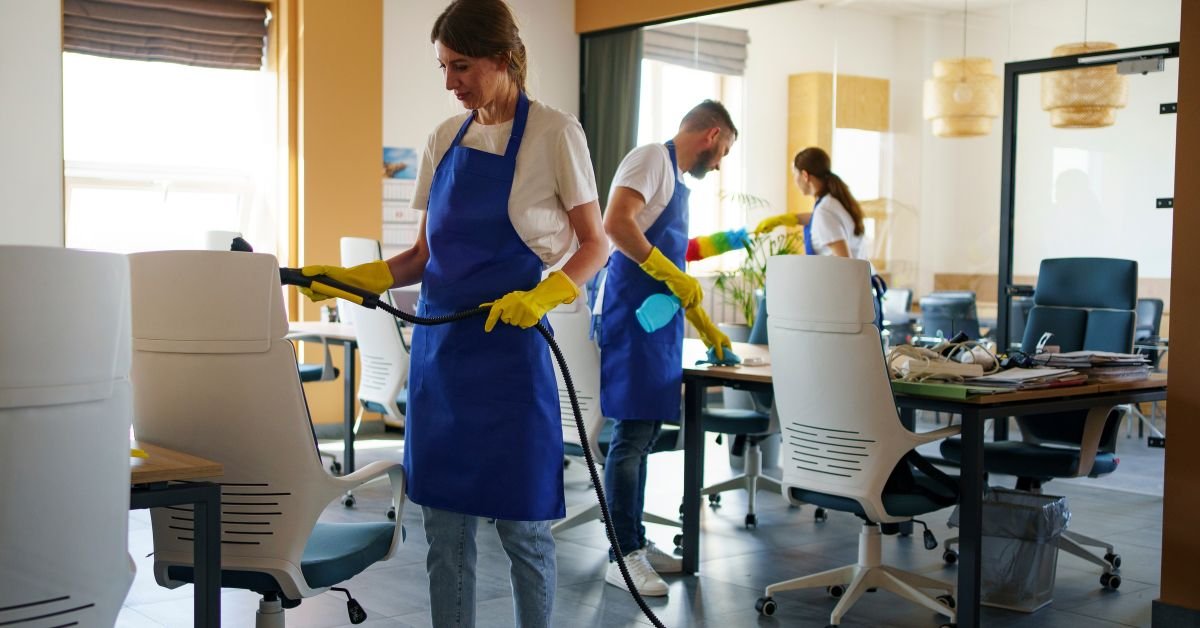
Deep Clean, Big Impact Carpets in commercial settings experience an entirely different level of wear and tear compared to residential environments. Daily foot traffic brings in more than just visible dirt; it grinds in microscopic debris, dust mites, and even airborne pollutants that settle into carpet fibers. Over time, these contaminants don’t just diminish the look of the flooring—they contribute to poor indoor air quality and can harbor bacteria or allergens that affect employees and customers alike.
This is where high-performance solutions like carpet extractors and low-moisture cleaning machines come into play. Unlike vacuuming or spot-cleaning, these tools are designed to perform deep carpet cleaning on a scale suitable for large facilities, handling thousands of square feet in a single session.

Types of Commercial Carpet Cleaners and Their Functions
There’s no one-size-fits-all when it comes to professional carpet cleaning. The right machine depends on the setting, level of soil, and type of carpet.
Carpet extractors, for instance, work by injecting hot water mixed with cleaning solution deep into the fibers and then extracting it along with embedded dirt. These are especially effective in areas where deep cleaning is required, such as hotel corridors or medical offices.
In contrast, low-moisture encapsulation machines apply a cleaning compound that crystallizes around dirt particles, which are then vacuumed away once dry. This method reduces drying time significantly, making it ideal for facilities that require minimal disruption.
For expansive areas, truck-mounted carpet cleaners—often used by professional cleaning services—deliver unmatched power. These units are favored for their ability to heat water to higher temperatures, increase pressure, and provide stronger suction, ensuring a more thorough cleanse.
Why Commercial Settings Require Specialized Cleaning Equipment
In a typical commercial facility, the amount of soil and stains that accumulate daily can be staggering. Think about the variety of substances that end up on office carpets—spilled coffee, ink, food particles, mud from shoes, and more. Residential-grade shampooers simply aren’t built to manage that volume or intensity of cleaning.
Using an industrial carpet cleaner ensures that deeper fibers are reached and treated. More importantly, most commercial models are designed with CRI (Carpet and Rug Institute) certification, ensuring that they meet performance and environmental standards. Machines with this seal have been tested for soil removal, water extraction efficiency, and preservation of carpet appearance.
Top Brands Leading the Charge
When it comes to trusted names in the commercial cleaning industry, a few stand out. Bissell BigGreen, Rug Doctor Pro, and Kärcher offer a range of high-efficiency carpet cleaners tailored to commercial needs. These machines often feature dual-tank systems to keep clean and dirty water separate, adjustable pressure settings for different carpet types, and even specialized attachments for upholstery cleaning and tight corners.
Modern commercial units are also designed for operator comfort, with ergonomic handles, easy-to-read control panels, and whisper-quiet motors for environments where noise control matters.
Deep Carpet Cleaning as Preventative Maintenance
Regularly deep-cleaning carpets isn’t just about appearance—it plays a crucial role in extending carpet life. Commercial carpet is a significant investment, and when not properly maintained, it can degrade faster, leading to expensive replacement costs.
Using a steam carpet cleaner or hot-water extractor every 3–6 months can help eliminate embedded dirt before it causes fiber breakdown. Furthermore, many cleaning experts recommend a rotational cleaning schedule, especially for buildings divided into zones based on foot traffic intensity. High-traffic areas like lobbies or hallways may require monthly attention, while private offices can be serviced quarterly.
Eco-Friendly Cleaning and Safe Chemical Use
With increasing focus on sustainability, many commercial cleaners are opting for green-certified solutions that are effective yet non-toxic. These cleaning agents, often biodegradable and free of harsh solvents, are safe for use in schools, hospitals, and environmentally conscious offices. Combined with efficient machines that limit water usage and energy consumption, eco-conscious carpet cleaning is now a viable, responsible choice.
Cost Savings and ROI Over Time
Although the upfront cost of purchasing a commercial carpet cleaner might seem steep, the return on investment can be significant. Outsourcing cleaning tasks to professionals often adds up over time, especially when factoring in frequency. In contrast, owning a machine allows businesses to clean as needed without scheduling conflicts or ongoing service fees.
Moreover, well-maintained carpets reduce the need for premature replacement, and employees benefit from a cleaner, healthier work environment, potentially reducing sick days caused by allergen exposure.

Frequently Asked Questions (FAQs)
Q1: What’s the best commercial carpet cleaner for large offices or schools?
A: Machines like the Bissell BigGreen Commercial and Kärcher’s walk-behind extractors are excellent for large areas due to their tank capacity, wide cleaning paths, and efficient suction.
Q2: How often should commercial carpets be cleaned?
A: It depends on foot traffic. High-traffic zones might need monthly deep cleaning, while low-traffic areas can be cleaned every 3–6 months.
Q3: Are steam cleaners better than carpet extractors?
A: Both have advantages. Steam cleaners sanitize effectively with heat, while extractors offer more power for water removal and stain extraction.
Q4: Can a commercial carpet cleaner remove old, set-in stains?
A: Yes, most machines can handle old stains, especially when used with appropriate pre-treatment solutions and high-heat extraction.
Q5: What is the drying time after using a commercial carpet cleaner?
A: Drying time varies from 2 to 8 hours depending on machine type, carpet thickness, and humidity. Low-moisture methods dry fastest.
Q6: Can these machines be used for upholstery cleaning too?
A: Many commercial models come with attachments specifically designed for upholstery, making them versatile for use on office furniture.
Conclusion
Cleanliness speaks volumes in the professional world, and nothing detracts from a company’s image more than stained or dingy flooring. Investing in a commercial carpet cleaner is more than a practical solution—it’s a strategic decision that enhances the visual appeal of a workspace, improves indoor air quality, and protects long-term flooring investments.

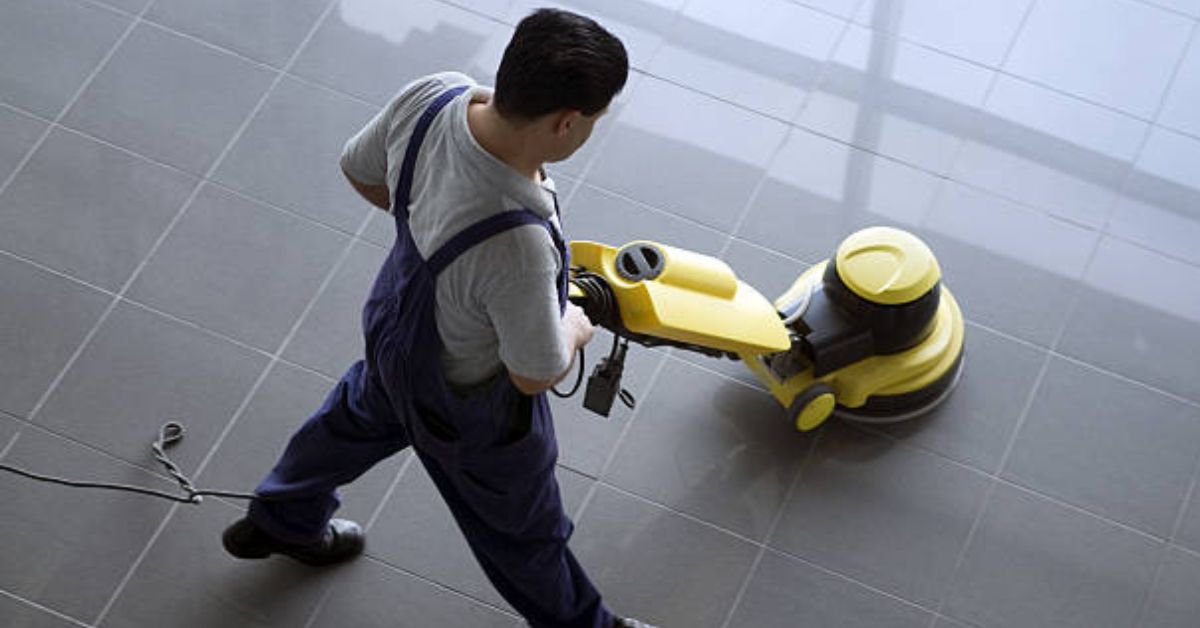
Commercial space clean and safe is essential for both employees and customers. From offices to retail stores and warehouses, having the right janitorial supplies ensures efficient cleaning, long-lasting equipment, and a healthy environment. For businesses in San Jose, local suppliers like Bay Area Floor Machine offer expert guidance and high-quality products to make the process easier.
Key Factors When Selecting Janitorial Supplies
1. Consider Your Facility’s Needs
The type of cleaning equipment you need depends on the size and function of your facility. For example:
- Offices may require vacuum cleaners, microfiber mops, and general-purpose cleaning solutions.
- Warehouses and industrial spaces often need heavy-duty floor machines, scrubbing equipment, and durable cleaning chemicals.
Understanding your facility’s requirements helps you invest in the right tools from the start.
2. Quality and Durability Matter
Low-quality equipment may be cheaper upfront, but it often breaks down quickly, increasing costs over time. Investing in durable products like professional-grade floor machines, mops, and cleaning solutions ensures reliability and efficiency. Suppliers such as Bay Area Floor Machine specialize in durable, high-performance janitorial equipment for businesses of all sizes.
3. Safety and Compliance
Proper janitorial supplies also help maintain workplace safety. Slip-resistant floor cleaners, non-toxic chemicals, and clearly labeled products protect employees and customers. Choosing a supplier familiar with local safety standards is essential for compliance and peace of mind.
4. Ease of Use and Maintenance
Cleaning equipment should be user-friendly and easy to maintain. Machines that are difficult to operate or require constant repairs slow down your staff and can lead to inconsistent results. High-quality floor machines, vacuum cleaners, and scrubbers are designed for efficiency, reducing the time and effort needed for cleaning.
5. Cost vs. Long-Term Value
While price is always a consideration, the focus should be on long-term value rather than the lowest initial cost. Investing in professional-grade janitorial supplies saves money over time by reducing replacement needs and improving cleaning efficiency.
Why Local Suppliers Make a Difference
Working with a local supplier like Bay Area Floor Machine in San Jose ensures you get more than just products. You benefit from:
- Expert advice on selecting the right equipment for your space
- Fast access to replacement parts and maintenance support
- Recommendations tailored to local facility and climate conditions
Having a trusted local partner reduces downtime, improves cleaning outcomes, and helps your business maintain a professional appearance.
Tips for Maintaining Your Janitorial Supplies
Once you have the right equipment, proper maintenance is key to maximizing its lifespan:
- Regularly clean and inspect machines
- Store chemicals safely and according to manufacturer instructions
- Train staff on proper equipment use and safety procedures
With consistent care, your janitorial supplies can provide years of reliable service, helping you maintain a clean, safe, and welcoming environment.
Conclusion
Selecting the right janitorial supplies is more than just buying cleaning products—it’s about investing in efficiency, safety, and long-term value for your business. For San Jose businesses, working with a knowledgeable local supplier like Bay Area Floor Machine ensures you have access to high-quality equipment, expert guidance, and support tailored to your facility’s needs. With the right tools and professional advice, maintaining a clean and safe workspace has never been easier.

Running an online store comes with many challenges: sourcing products, managing inventory, handling shipping, and keeping customers happy. For many e-commerce retailers, dropshipping has become an attractive solution. It allows retailers to sell a wide variety of products without the overhead of stocking inventory.
While dropshipping can be done globally, working with American dropshippers offers distinct advantages for businesses targeting the American market. Platforms like TopDawg provide an easy way to connect with reliable suppliers and streamline your operations.
Benefits of U.S. Dropshipping Suppliers
1. Faster shipping and happier customers
Shipping from within the U.S. drastically reduces delivery times compared to international suppliers. This means customers receive orders faster, which leads to better reviews, repeat business, and higher overall satisfaction.
2. Easier returns and customer service
When something goes wrong, handling returns or exchanges from a domestic supplier is simpler and faster. This reduces stress for both the retailer and the customer.
3. Better quality control
U.S.-based suppliers often adhere to stricter manufacturing and safety standards. This ensures products are reliable, reducing the likelihood of complaints or returns due to defects.
4. Seamless e-commerce integration
Platforms like TopDawg are built to integrate directly with popular e-commerce tools like Shopify, WooCommerce, and BigCommerce. Orders are automatically synced, inventory is updated in real-time, and you can manage your store efficiently without manual tracking.
5. Variety and scalability
U.S. dropshipping platforms offer a wide range of products, from niche gadgets to home goods and apparel. Retailers can test new products without committing to large quantities, scaling their business as demand grows.
How Retailers Can Get Started
- Choose the right dropshipping platform – Look for platforms that offer fast shipping, reliable suppliers, and good customer support. TopDawg, for example, specializes in connecting retailers with U.S. suppliers across multiple categories.
- Select products carefully – Focus on products with high demand, good margins, and consistent quality.
- Integrate your e-commerce store – Syncing your platform ensures inventory levels and order data are updated automatically.
- Promote smartly – Use social media, email marketing, and paid ads to reach your audience and highlight your faster shipping advantage.
Why TopDawg Stands Out
TopDawg is a leading U.S.-based dropshipping platform that caters to retailers looking for reliable suppliers. By focusing on domestic fulfillment, it helps online stores reduce shipping times, improve product quality, and maintain smooth operations. For retailers who want to expand their product offerings while avoiding inventory headaches, TopDawg provides a streamlined and dependable solution.
Conclusion
Dropshipping from U.S. suppliers is a smart strategy for online retailers who value speed, reliability, and customer satisfaction. Platforms like TopDawg make it easier than ever to connect with trusted suppliers, manage orders efficiently, and grow your business. By leveraging domestic dropshipping, retailers can offer a superior shopping experience while scaling their operations with minimal risk.

A healthy, well maintained lawn does more than make your yard look nice. It creates a welcoming outdoor space, improves property value, and makes your home or commercial property stand out in a place as scenic as Myrtle Beach.
Coastal South Carolina has a unique climate that brings both opportunities and challenges for lawns and landscapes. Heat, humidity, sandy soil, and seasonal storms all play a role in how your yard grows and how it needs to be maintained.
That is why many property owners turn to professional lawn care and landscaping services to keep their outdoor spaces looking their best year round.
Why Lawn Care Is Different in Coastal Areas
Myrtle Beach lawns deal with conditions that are not always easy to manage on your own.
High heat and humidity
Warm season grasses thrive here, but they also grow quickly and require regular mowing and proper fertilization. Without the right schedule, grass can become thin, patchy, or stressed.
Sandy soil
Sandy soil drains quickly, which can be good during heavy rains. However, it also means nutrients wash away faster. Lawns often need targeted fertilization to stay healthy and green.
Salt exposure and storms
Coastal winds and occasional storms can stress plants and grass. Proper lawn care includes strengthening root systems and maintaining soil health to help landscapes recover more easily.
The Value of Regular Lawn Maintenance
Consistent maintenance is the foundation of a great looking lawn. Skipping weeks or handling tasks inconsistently can lead to weeds, uneven growth, and long term damage.
Professional maintenance typically includes:
Mowing and edging
Proper mowing height is crucial. Cutting grass too short can weaken it and invite weeds. Clean edging along driveways and walkways gives the property a sharp, finished look.
Fertilization
Grass needs nutrients at the right times of year. A professional schedule ensures your lawn gets what it needs to grow thick and resist disease.
Weed control
Weeds compete with grass for water and nutrients. Preventative treatments and targeted control keep them from taking over.
Seasonal cleanups
Removing debris, trimming overgrowth, and preparing landscapes for seasonal changes helps lawns stay healthy throughout the year.
Companies like Always Green Landscaping in Myrtle Beach specialize in these ongoing services, helping both homeowners and businesses maintain attractive, healthy outdoor spaces without the guesswork.
Landscape Design That Matches Your Lifestyle
Beyond basic lawn care, thoughtful landscape design can completely transform how you use your outdoor space.
Professional landscape design considers:
- How you want to use your yard, whether for relaxing, entertaining, or family activities
- Plant choices that thrive in the Myrtle Beach climate
- Drainage solutions to handle heavy coastal rains
- Hardscape features like walkways, patios, and borders
A well designed landscape does not just look good. It also makes maintenance easier and helps plants grow stronger in local conditions.
Curb Appeal That Adds Real Value
First impressions matter, especially for homes on the market and commercial properties that serve customers. A clean, green, and well designed landscape signals that a property is cared for.
For homeowners, strong curb appeal can increase buyer interest and perceived value. For businesses, it creates a more inviting environment for customers and clients.
Routine mowing, clean edges, healthy shrubs, and colorful seasonal plants all work together to create that polished look.
Saving Time and Avoiding Costly Mistakes
DIY lawn care can be time consuming, and mistakes can be expensive. Over fertilizing, mowing too short, or using the wrong treatments can damage your lawn and lead to costly repairs later.
Professional lawn care providers understand local grass types, soil conditions, and seasonal timing. Their experience helps prevent problems before they start and keeps your yard on a consistent care plan.
A Better Lawn Without the Stress
Your outdoor space should be something you enjoy, not another item on a long weekend to do list. With the right lawn maintenance and landscape support, your property can stay green, healthy, and inviting throughout the year.
-

 TECH7 months ago
Apple iPhone 17: Official 2025 Release Date Revealed
-

 BLOG7 months ago
Understanding the ∴ Symbol in Math
-

 ENTERTAINMENT5 months ago
What Is SUV? A Family-Friendly Vehicle Explained
-

 EDUCATION7 months ago
Horizontal Translation: How to Shift Graphs
-

 EDUCATION8 months ago
Using the Quadratic Formula
-

 EDUCATION7 months ago
The Meaning of an Open Circle in Math Explained
-

 HEALTH7 months ago
GoodNever: Wellness, Simplified
-

 ENTERTAINMENT7 months ago
Going Live: How to Stream on TikTok from Your PC